
SEARCH WHAT YOU WANT
Glass-Filled Nylon: 0.1% Moisture Comes Before Melt Temperature
Time:2026-10-30
Silver streaks show up on a glass-filled nylon part, and the first move on the floor is always the same: raise the temperature. 270 to 300. It only gets worse. Two numbers sit at the top of the process sheet, and their order matters — drying decides whether the job can run at all; temperature decides how good the part looks
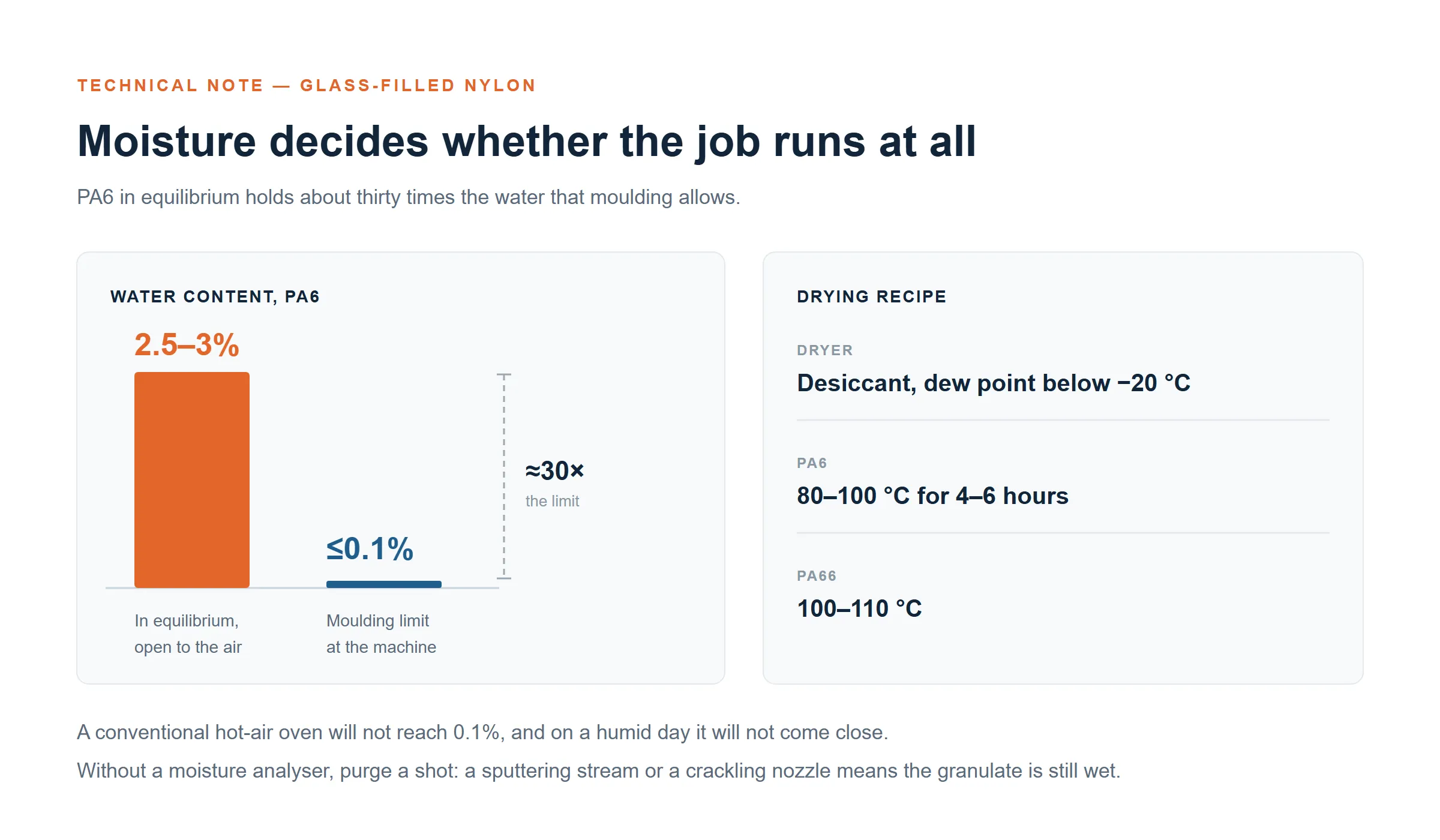
Figure 1 — The gap is the whole problem: 2.5–3% against a 0.1% limit.
Drying decides whether the job runs at all
PA absorbs water. PA6 sits at 2.5–3% moisture in equilibrium, while moulding wants ≤0.1% — roughly thirty times less. A conventional hot-air dryer will not get there, and on a humid day it will not come close. Use a desiccant dryer with a dew point below −20 °C. PA6: 80–100 °C for 4–6 h. PA66: 100–110 °C.
Time is not the criterion — measured moisture is
Without a moisture analyser, purge a shot: a sputtering stream, a crackling nozzle, silver streaks on the part. The granulate is still wet.
Setpoint is not melt temperature
Shear heating puts the melt 10–20 °C above the barrel setting, so the panel tells you nothing useful. PA6+GF: 250–270 °C melt. PA66+GF: 270–300 °C. Mould at 80–100 °C.
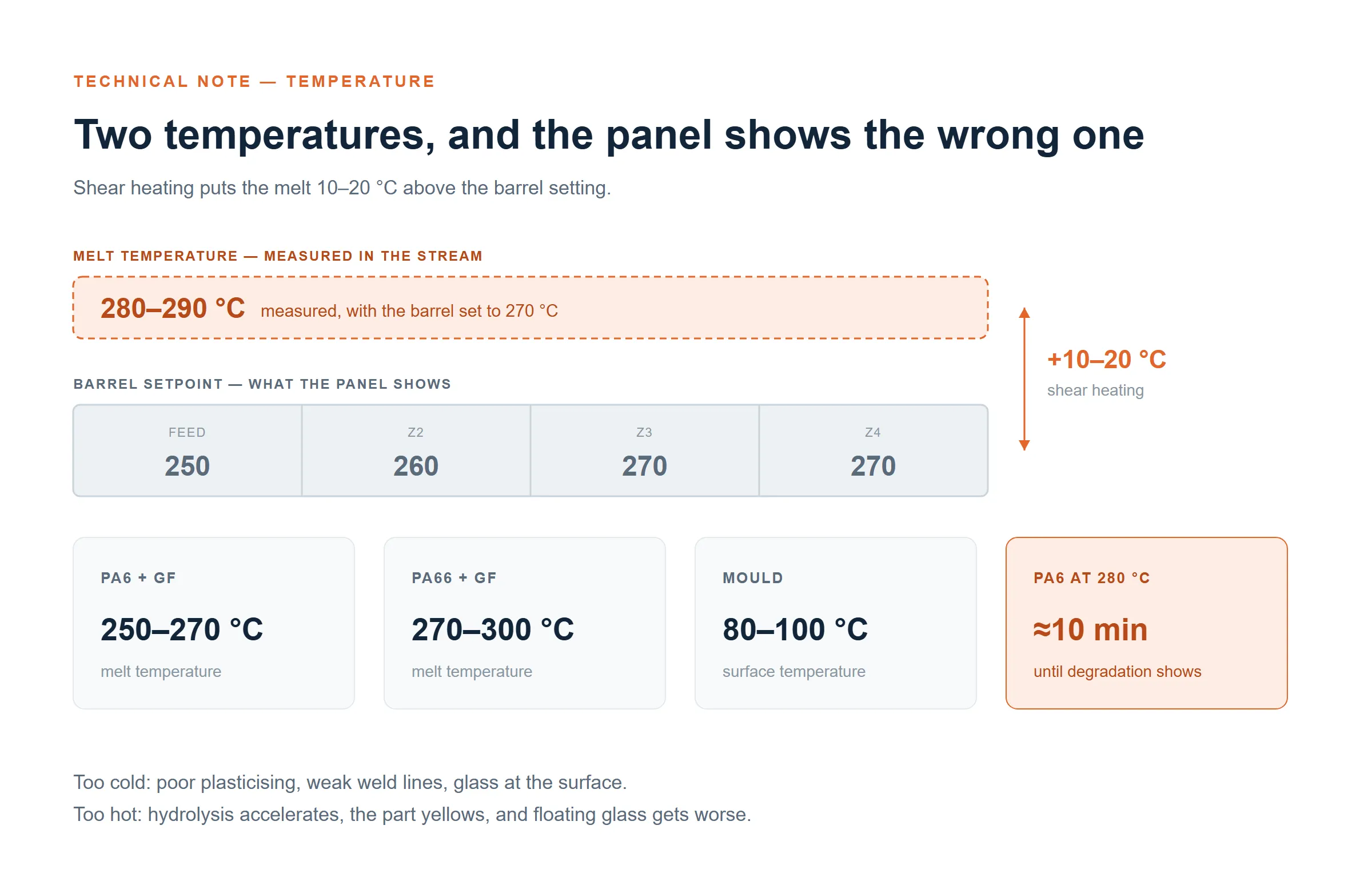 Figure 2 — The setpoint is what you typed; the melt temperature is what the resin sees.
Too cold, and you get poor plasticising, weak weld lines and glass on the surface. Too hot, and hydrolysis accelerates: molecular weight drops, the part yellows, and falling viscosity makes floating glass worse.
The two issues are one
With water still present, higher temperature means faster hydrolysis — the material breaks down in the barrel before it ever reaches the cavity. At 280 °C, PA6 degrades noticeably after about ten minutes of residence. Size the barrel to 1.5–2× the shot, purge before stopping, and drop the nozzle temperature. Do not let it sit there cooking.
One note on colour
The carrier has to match the base resin — PA carrier for PA. A PE-carrier masterbatch will delaminate and float. Dry the masterbatch too.
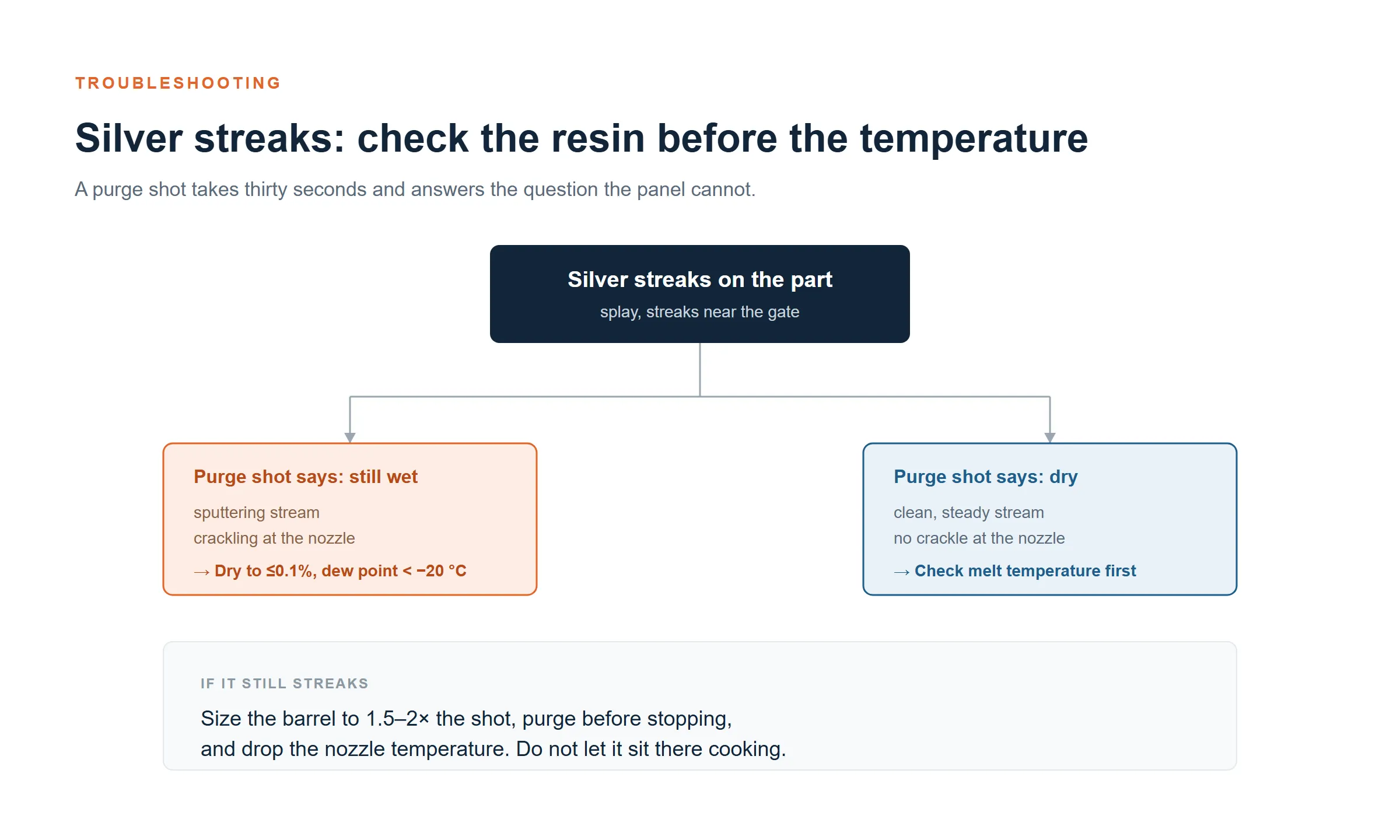
Figure 3 — Thirty seconds at the nozzle beats an hour of chasing temperature settings.
Silver streaks show up on a glass-filled nylon part, and the first move on the floor is always the same: raise the temperature. 270 to 300. It only gets worse. Two numbers sit at the top of the process sheet, and their order matters — drying decides whether the job can run at all; temperature decides how good the part looks.
Figure 1 — The gap is the whole problem: 2.5–3% against a 0.1% limit.
Drying decides whether the job runs at all
PA absorbs water. PA6 sits at 2.5–3% moisture in equilibrium, while moulding wants ≤0.1% — roughly thirty times less. A conventional hot-air dryer will not get there, and on a humid day it will not come close. Use a desiccant dryer with a dew point below −20 °C. PA6: 80–100 °C for 4–6 h. PA66: 100–110 °C.
Time is not the criterion — measured moisture is
Without a moisture analyser, purge a shot: a sputtering stream, a crackling nozzle, silver streaks on the part. The granulate is still wet.
Setpoint is not melt temperature
Shear heating puts the melt 10–20 °C above the barrel setting, so the panel tells you nothing useful. PA6+GF: 250–270 °C melt. PA66+GF: 270–300 °C. Mould at 80–100 °C.
Figure 2 — The setpoint is what you typed; the melt temperature is what the resin sees.
Too cold, and you get poor plasticising, weak weld lines and glass on the surface. Too hot, and hydrolysis accelerates: molecular weight drops, the part yellows, and falling viscosity makes floating glass worse.
The two issues are one
With water still present, higher temperature means faster hydrolysis — the material breaks down in the barrel before it ever reaches the cavity. At 280 °C, PA6 degrades noticeably after about ten minutes of residence. Size the barrel to 1.5–2× the shot, purge before stopping, and drop the nozzle temperature. Do not let it sit there cooking.
One note on colour
The carrier has to match the base resin — PA carrier for PA. A PE-carrier masterbatch will delaminate and float. Dry the masterbatch too.
Figure 3 — Thirty seconds at the nozzle beats an hour of chasing temperature settings.

Contact Us
Tel: +86 757 8118 6668/+86 139 2320 6383
Sales Hotline: +86 139 2320 6383
Address: No. 55, Yong'an Avenue, Guanyao, Shishan Town, Nanhai District, Foshan City, Guangdong Province, China.
Inquire
Copyright © 2026 Guangdong Jolink Technology Co., Ltd.