
SEARCH WHAT YOU WANT
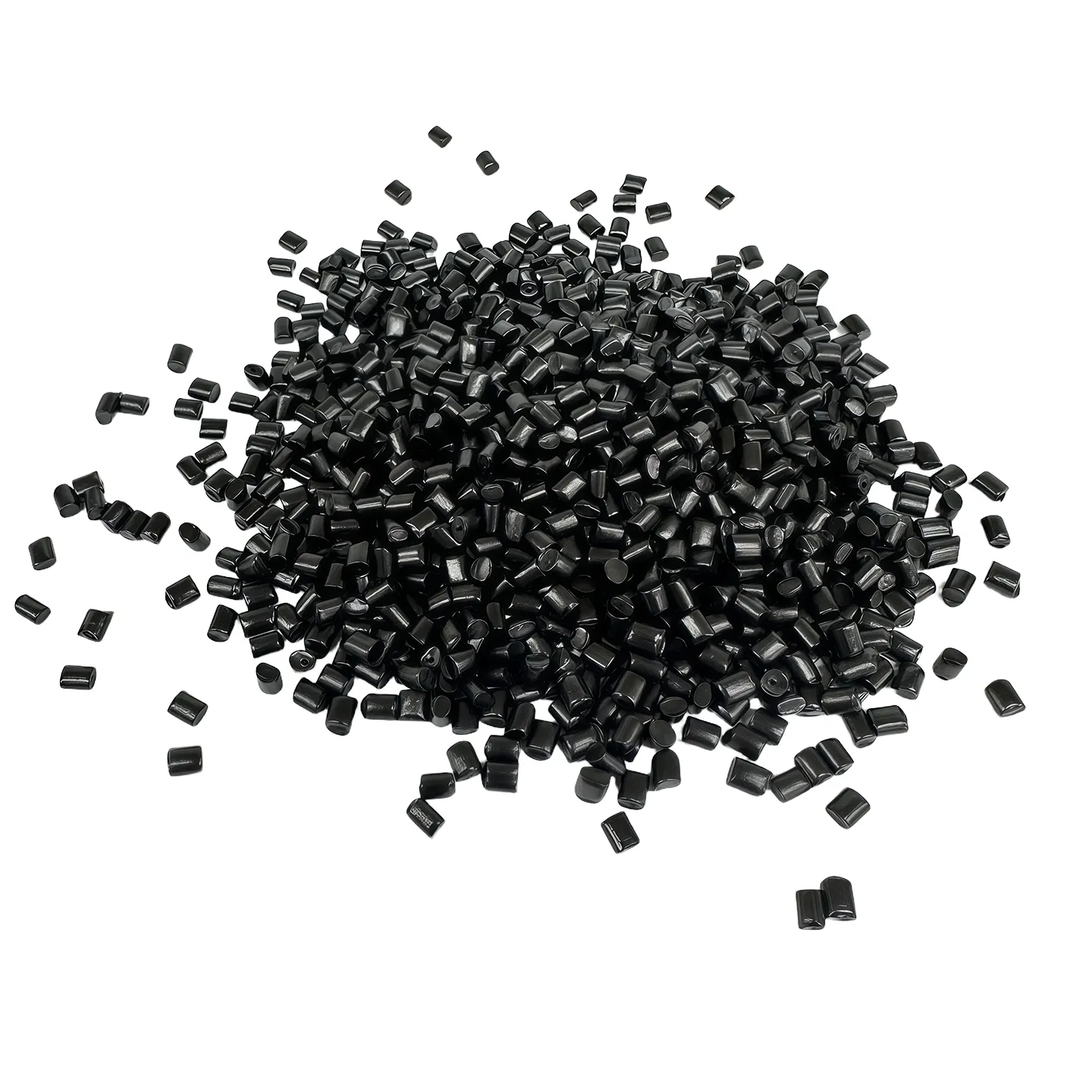
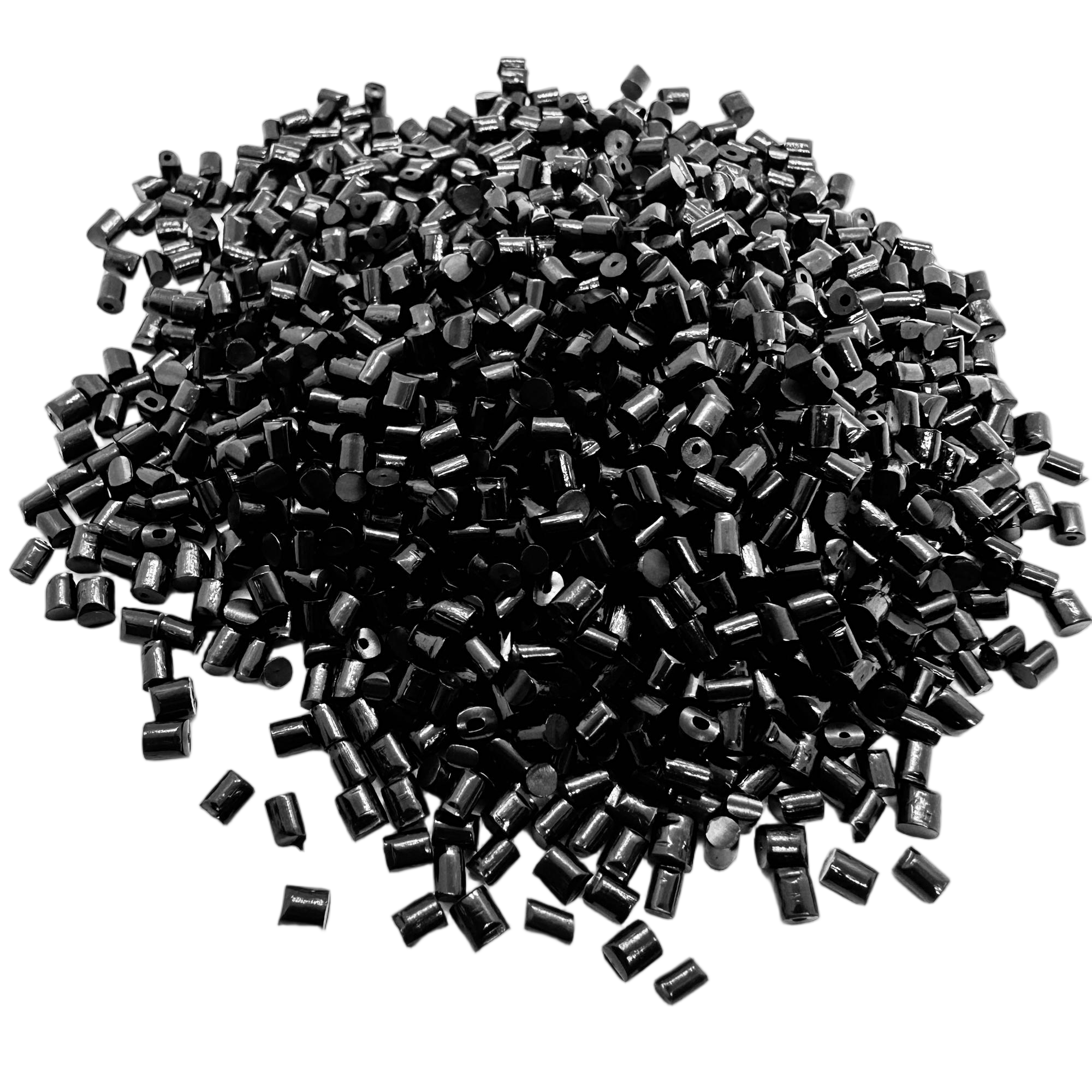
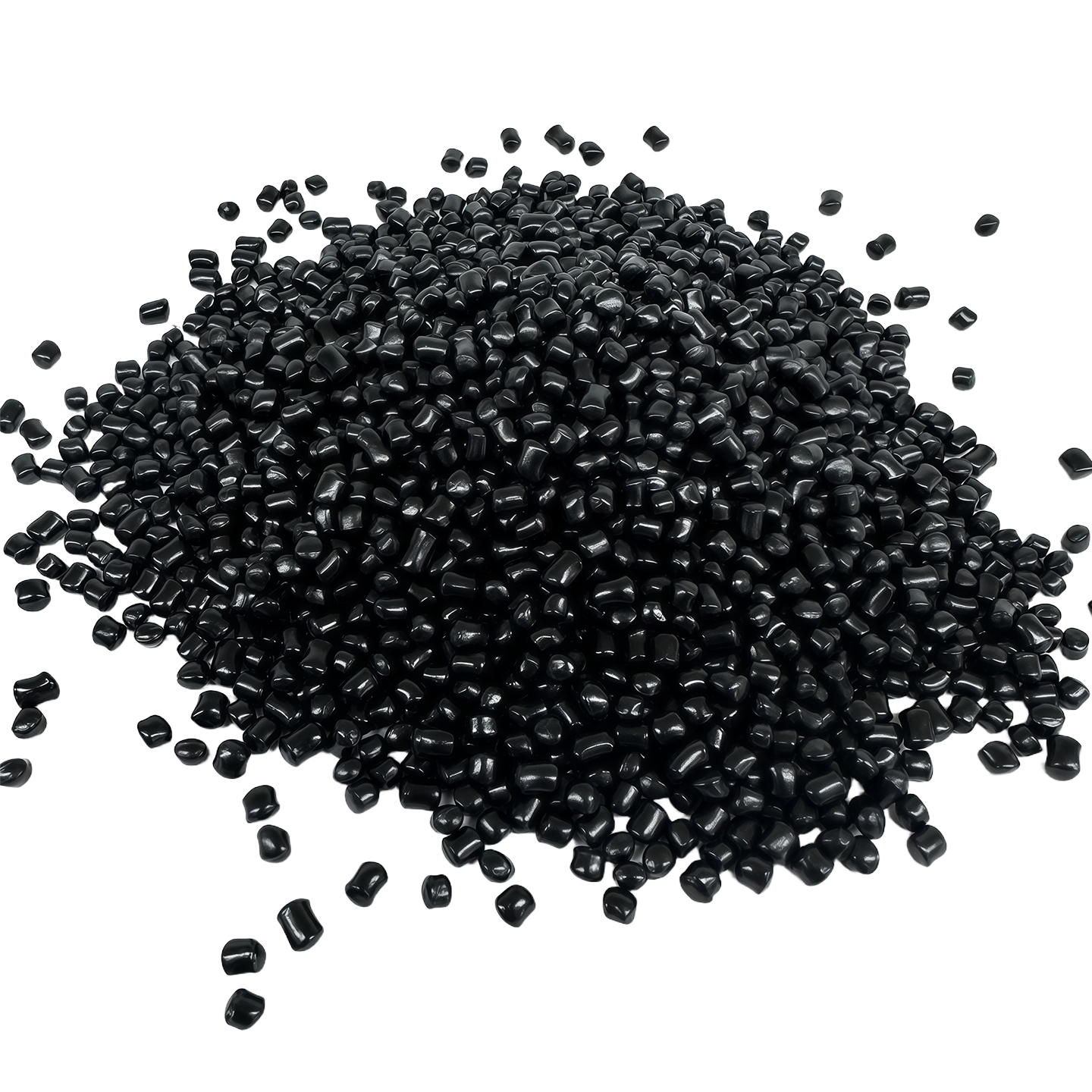
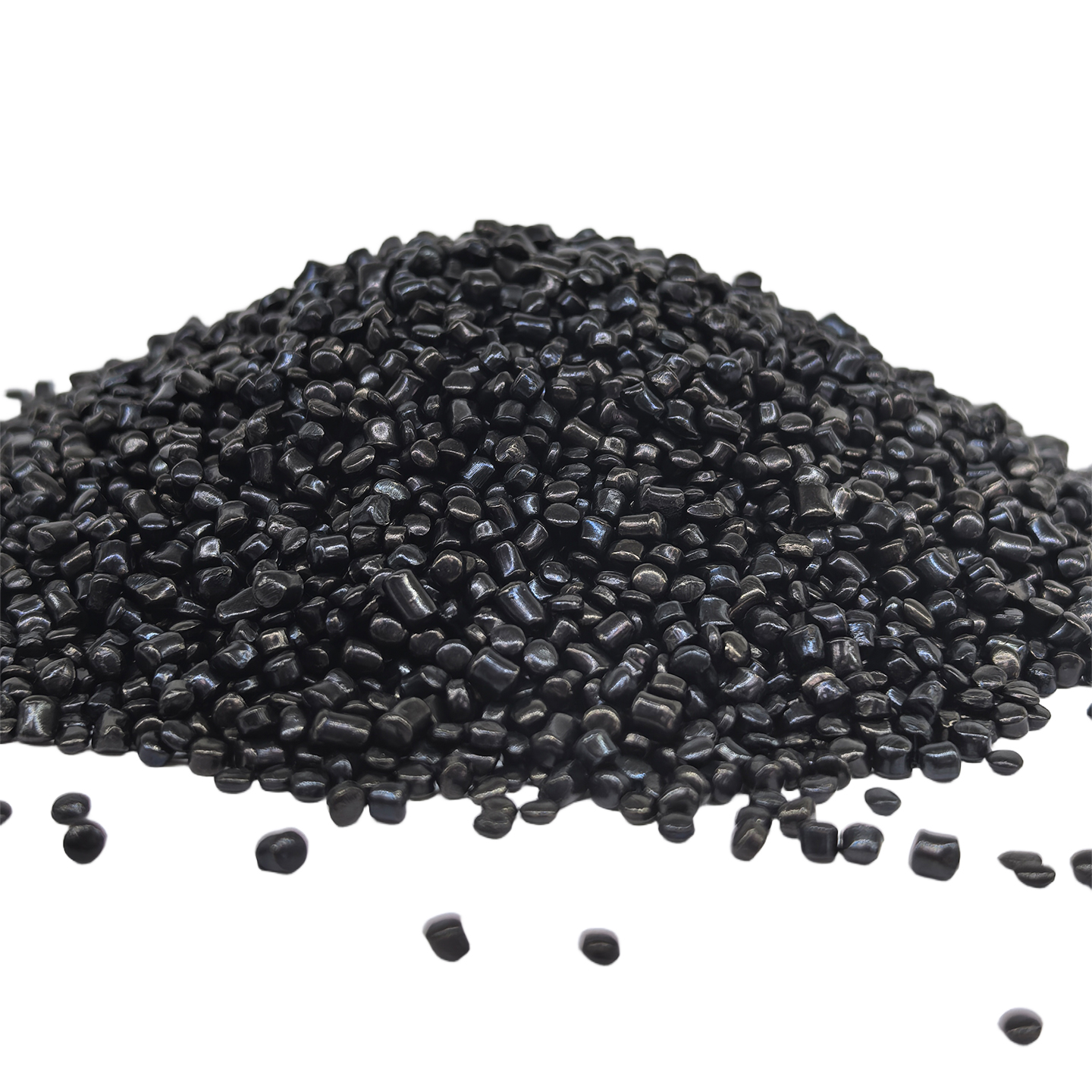
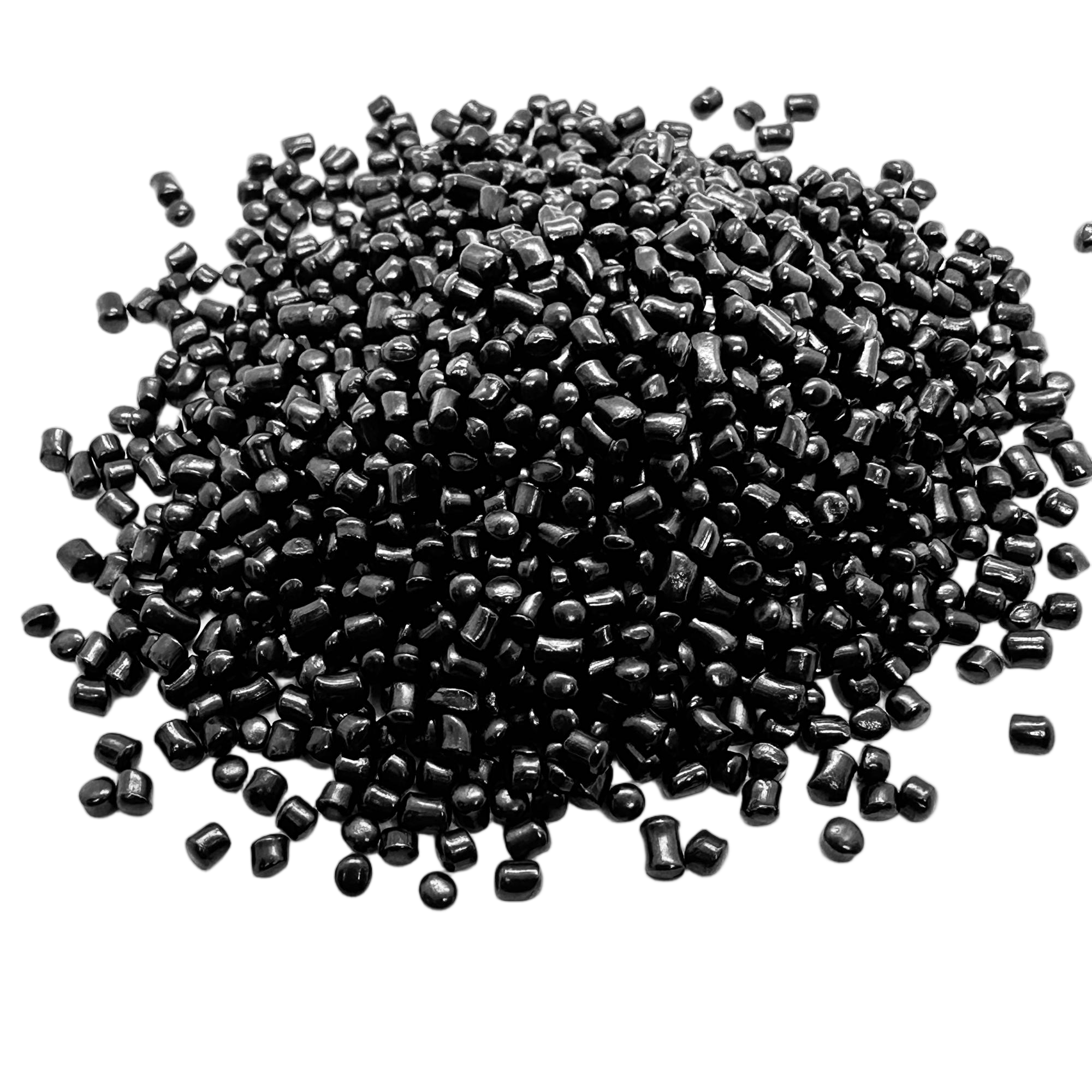
BPA Free & Low Volatile Environmentally Friendly Interior Black Masterbatch WMEG11
 |
 |
Introduction
WMEG11 is produced by unique process in which carbon black is pre-dispersed, then compounded with the basic resin through plastication.
It is widely used in modified compounding and injection applications. Suitable for PP and PE materials.
It features low dosage, high blackness, good brightness, excellent heat resistance, outstanding dispersibility and tinting power, and minimal impact on the physical properties of the final product.
What separates WMEG11 from general-purpose black masterbatch is what it does not bring into your formulation.
Modern appliance and automotive interior specifications no longer judge a material on colour only , they judge what it releases.
Bisphenol A (BPA) has moved from a watch list to a regulated substance in the EU, and odour and volatile emissions are now pass or fail criteria in any enclosed application,
from a dishwasher tub to a car cabin parked in the sun.
WMEG11 was formulated against both constraints at once : bisphenol A is compliancing with the regulation in its formulation,
and a low-volatility system that keeps odour and emissions down in the finished part.
Why "BPA-free" is a material specification, not a marketing line
What the EU actually requires
Regulation (EU) 2024/3190 entered into force on Jan. 2025 and bans bisphenol A, its salts and other hazardous bisphenols or bisphenol derivatives in food contact materials across the EU.
It covers plastics, varnishes and coatings, printing inks, adhesives, rubbers, silicones and ion-exchange resins , the whole chain, from raw material through intermediate products to the finished article.
Two details matter for appliance manufacturers:
1) It reaches parts that never touch food directly
If an external component can come into contact with food under normal use, or if there is any risk of migration, it falls inside the scope.
2) The detection limit is 1 µg/kg (0.001 mg/kg), and a Declaration of Conformity has to travel with the material through every link of the supply chain except retail.
Transition rules are running out: most single-use and reusable final food contact articles may no longer be placed on the EU market from July 2026,
and repeat-use professional food production equipment from January 2028.
The regulation also pre-emptively controls the wider bisphenol family , bisphenol S, bisphenol AF, tetrabromobisphenol A, phenolphthalein and others are named,
and any bisphenol later classified as CMR 1A/1B or as an endocrine disruptor falls under the same ban.
Bisphenol A is separately on the REACH Candidate List as a substance of very high concern.
Where BPA actually comes from in a black masterbatch
Carbon black does not contain bisphenol A.
The risk sits in everything around it , carrier resin grades, dispersants, waxes, antioxidants, release and processing aids ,
and cross-contamination on production lines that also run bisphenol-based formulations.
That is why BPA-free claim has to be built from the raw material specification inward, not bolted on as test at the end.
Jolink operates in dedicated clean workshop for food-grade products and for grades that must meet stringent bisphenol A requirements.
WMEG11 is produced on that line, from a bisphenol-free additive system over virgin polyethylene carrier.
Low volatility and low odour : what it means inside an enclosed space
Odour and VOC are not the same test
Engineers often use the two words interchangeably, but they are measured differently and fail for different reasons.
| What you are measuring | Typical method | What it catches |
| Odour, sensory | VDA 270 (6-point scale, trained panel) | What a person actually smells after the part is conditioned at a defined temperature |
| Formaldehyde | VDA 275 | A very volatile species the VOC methods miss |
| Total organic carbon | VDA 277 / PV 3341 (headspace GC) | The overall weight of organics the material gives off |
| Fogging | DIN 75201 / PV 3015 | The film that condenses onto windscreens and glass |
| VOC and FOG split | VDA 278 (thermal desorption GC-MS) | Volatiles separately from semi-volatiles that condense later |
Appliance programmes usually work to brand-specific odour panels and their own emission limits rather than to the automotive standards, but the mechanism behind failure is identical.
The standards for odors vary depending on the specific substances and the testing methods used. As a result, the test results will also different. Please be aware of this.
Key features
Bisphenol-free formulation
Bisphenol A complianced with the EU regulation , produced on dedicated clean line.
This is what allows the appliance brand to keep its BPA-free commitment intact all the way down to a black masterbatch.
Low volatility and low odour
Virgin carrier and purified additive system keep the masterbatch's own contribution to odour and emissions to a minimum : the point of the exercise in sealed housing or closed vehicle cabin.
High jetness at a low let-down ratio
0.8–2.0% in injection, 1.0–4.0% in compounding.
Low dosage means less dilution of the base resin, which is why the mechanical profile of the finished part stays essentially where you set it.
Excellent dispersion, ≤ Level 2.5
Pre-dispersed carbon black, then compounded through plastication.
The practical results are no black spots, no streaks, no screen-pack pressure build-up, and no "crystal point" defects on visible surface.
Brightness and surface finish suitable for visible parts
Appliance shells are A-surfaces. Gloss and colour depth have to hold across different tools, machines and production batches , not just in the first shot.
Heat resistance in the barrel
Stable through the normal PP or PE processing window, no blooming, no colour shift, no decomposition.
Moisture ≤ 0.1%
Low enough that in most PP and PE processes WMEG11 can go straight from the masterbatch packing bag into the hopper without predrying, and low enough to avoid silver streaks and splay on the part.
Minimal impact on physical properties
Because jetness is delivered through dispersion quality rather than sheer carbon loading, the compound retains more of its original impact and tensile behaviour.
Batch-to-batch consistency
Carbon black dispersion and moisture are checked in Jolink's advanced laboratory before dispatch.
Technical Parameter
| Carbon Content | 33%±1.5 |
| Carrier | PE |
| MFI | 1-10 (g/ 10min(190℃ 10kg) |
| Moisture | ≤0.1% |
| Dispersion | Excellent (≤ Level 2.5) |
| Compliance | BPA Free, RoHS,PAHs,REACH, FDA |
| Application | Modified Compounding (Appliance Casing), Injection |
| Dosage Advice | Injection: 0.8–2.0% Compounding: 1.0–4.0% |
| OEM | Accpeted |
Applications
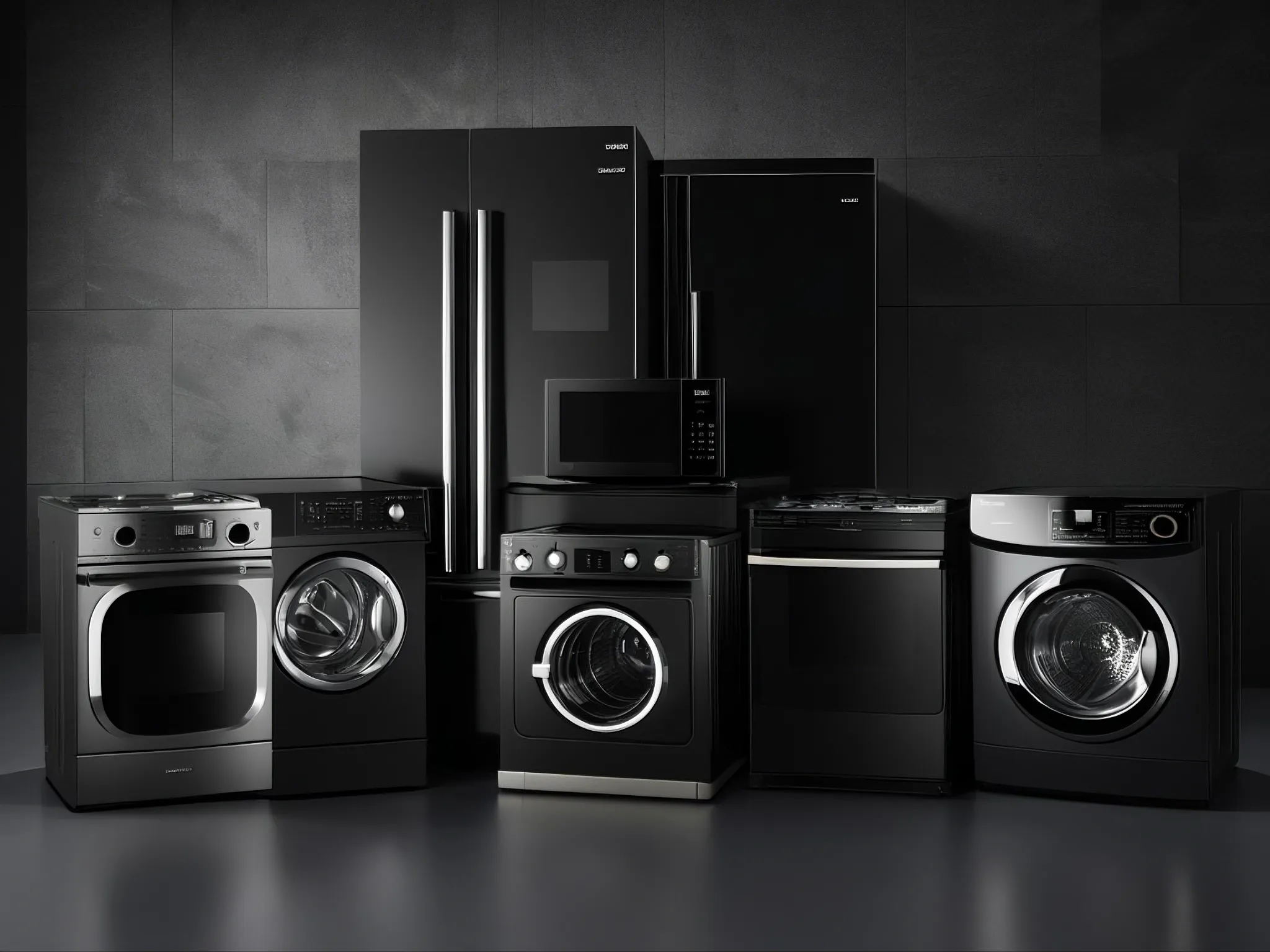
Home appliance casings and interior components
WMEG11 is formulated for PP and PE based compounds, which covers large share of small appliance housings, structural parts and internal components.
Appliances sit inside the scope of RoHS, so the pigment package has to be clean on heavy metals as well as bisphenol-free.
Kitchen appliances in particular are now scrutinised under the same BPA logic that applies to food contact materials, because their parts sit next to food and are handled constantly.
What appliance manufacturers typically need from a black masterbatch, in order of how often it causes a problem:
No smell in a sealed housing. A dishwasher or a coffee machine has no ventilation. Anything the plastic gives off stays inside it.
Colour consistency across tools and plants. Housing moulded on two machines in two countries still has to match on the shelf.
Cost control at low dosage. 0.8–2.0% in injection at 33% carbon content keeps the colouring step from eating into margin.
Surface quality on visible parts. Gloss, brightness and freedom from spots and streaks.
For appliance parts moulded in ABS, PC/ABS or high-gloss PS, Jolink's matching grade is WM16H (UN2014), ,which is formulated for those resins and for high-gloss injection.
WMEG11 is the PP/PE answer to the same requirement.
Automotive interior parts
Automotive interior approval runs on emission and odour testing before it runs on anything else.
A material that smells, or that fogs the windscreen, is rejected even when every mechanical test passes.
The relevant framework:
- VDA 270 — odour, rated on a 6-point scale by a trained panel after defined conditioning
- VDA 277 / PV 3341 — total organic carbon in the headspace
- VDA 278 — separate VOC and FOG values by thermal desorption GC-MS
- DIN 75201 / PV 3015 — fogging
- VDA 275 — formaldehyde, which the VOC methods do not capture
On top of that sit the OEM specifications your customer works to, which set their own limits inside these methods.
WMEG11 targets the PP-based side of the interior m door panel carriers, pillar trims, HVAC ducting, seat structure components,
console substrates and similar parts where colour has to survive heat ageing and sunlight without drifting.
Jolink's automotive interior programme includes a dedicated odour control team, and our automotive interior solution,
covers low-VOC, heat-resistant and wear-resistant masterbatch for dashboards, door panels and related components.
Packing and Storage
25kg/bag, PE or Composite Paper bag
Stored under dry, enclosed and cool conditions, protected from UV rays and/or direct sunlight. After used, the opened packaging must be resealed properly to prevent the product from absorbing moisture, which could affect its performance.
Note
The technical results are typical values and are provided for customer reference only. They are not to be regarded as a guarantee of minimum or maximum quality specifications.
FAQ
Does WMEG11 contain bisphenol A?
WMEG11 is produced from a bisphenol-free additive system on a virgin polyethylene carrier, on a dedicated clean line for food-grade and BPA-sensitive products. Bisphenol A compliance to the Regulations.
What is the difference between low odour and low VOC?
They are measured by different methods and fail for different reasons.
Odour (VDA 270) is sensory rating by a trained panel. VOC (VDA 277, VDA 278) is the quantity of organic compounds the material releases, measured by headspace or thermal desorption GC.
A material can be low in VOC and still smell, and vice versa.
WMEG11 is formulated to keep both low, because automotives and appliance brands test both.
Can WMEG11 be used with ABS or PC/ABS?
WMEG11 carries polyethylene carrier and is designed for PP and PE based compounds.
For ABS, PC/ABS and high-gloss PS parts, the matching Jolink grade is WM16H (UN2014).
What let-down ratio should I use?
8–2.0% for injection moulding and 1.0–4.0% for modified compounding, depending on the jetness and opacity your part requires.
Contact us with your target part specification and we will confirm a starting point.
Do I need to dry WMEG11 before use?
No. Moisture is controlled to ≤ 0.1%, so it can normally go straight from the bag into the hopper in PP and PE processes. Your base resin's own drying requirements still apply.
Can you supply test reports and customise the grade?
Yes. Technical Data Sheets, Safety Data Sheets, per-batch Certificates of Analysis and compliance test reports are available, and OEM customisation of carbon content, carrier and additive package is accepted.
|
Introduction
WMEG11 is produced by unique process in which carbon black is pre-dispersed, then compounded with the basic resin through plastication.
It is widely used in modified compounding and injection applications. Suitable for PP and PE materials.
It features low dosage, high blackness, good brightness, excellent heat resistance, outstanding dispersibility and tinting power, and minimal impact on the physical properties of the final product.
What separates WMEG11 from general-purpose black masterbatch is what it does not bring into your formulation.
Modern appliance and automotive interior specifications no longer judge a material on colour only , they judge what it releases.
Bisphenol A (BPA) has moved from a watch list to a regulated substance in the EU, and odour and volatile emissions are now pass or fail criteria in any enclosed application,
from a dishwasher tub to a car cabin parked in the sun.
WMEG11 was formulated against both constraints at once : bisphenol A is compliancing with the regulation in its formulation,
and a low-volatility system that keeps odour and emissions down in the finished part.
Why "BPA-free" is a material specification, not a marketing line
What the EU actually requires
Regulation (EU) 2024/3190 entered into force on Jan. 2025 and bans bisphenol A, its salts and other hazardous bisphenols or bisphenol derivatives in food contact materials across the EU.
It covers plastics, varnishes and coatings, printing inks, adhesives, rubbers, silicones and ion-exchange resins , the whole chain, from raw material through intermediate products to the finished article.
Two details matter for appliance manufacturers:
1) It reaches parts that never touch food directly
If an external component can come into contact with food under normal use, or if there is any risk of migration, it falls inside the scope.
2) The detection limit is 1 µg/kg (0.001 mg/kg), and a Declaration of Conformity has to travel with the material through every link of the supply chain except retail.
Transition rules are running out: most single-use and reusable final food contact articles may no longer be placed on the EU market from July 2026,
and repeat-use professional food production equipment from January 2028.
The regulation also pre-emptively controls the wider bisphenol family , bisphenol S, bisphenol AF, tetrabromobisphenol A, phenolphthalein and others are named,
and any bisphenol later classified as CMR 1A/1B or as an endocrine disruptor falls under the same ban.
Bisphenol A is separately on the REACH Candidate List as a substance of very high concern.
Where BPA actually comes from in a black masterbatch
Carbon black does not contain bisphenol A.
The risk sits in everything around it , carrier resin grades, dispersants, waxes, antioxidants, release and processing aids ,
and cross-contamination on production lines that also run bisphenol-based formulations.
That is why BPA-free claim has to be built from the raw material specification inward, not bolted on as test at the end.
Jolink operates in dedicated clean workshop for food-grade products and for grades that must meet stringent bisphenol A requirements.
WMEG11 is produced on that line, from a bisphenol-free additive system over virgin polyethylene carrier.
Low volatility and low odour : what it means inside an enclosed space
Odour and VOC are not the same test
Engineers often use the two words interchangeably, but they are measured differently and fail for different reasons.
| What you are measuring | Typical method | What it catches |
| Odour, sensory | VDA 270 (6-point scale, trained panel) | What a person actually smells after the part is conditioned at a defined temperature |
| Formaldehyde | VDA 275 | A very volatile species the VOC methods miss |
| Total organic carbon | VDA 277 / PV 3341 (headspace GC) | The overall weight of organics the material gives off |
| Fogging | DIN 75201 / PV 3015 | The film that condenses onto windscreens and glass |
| VOC and FOG split | VDA 278 (thermal desorption GC-MS) | Volatiles separately from semi-volatiles that condense later |
Appliance programmes usually work to brand-specific odour panels and their own emission limits rather than to the automotive standards, but the mechanism behind failure is identical.
The standards for odors vary depending on the specific substances and the testing methods used. As a result, the test results will also different. Please be aware of this.
Key features
Bisphenol-free formulation
Bisphenol A complianced with the EU regulation , produced on dedicated clean line.
This is what allows the appliance brand to keep its BPA-free commitment intact all the way down to a black masterbatch.
Low volatility and low odour
Virgin carrier and purified additive system keep the masterbatch's own contribution to odour and emissions to a minimum : the point of the exercise in sealed housing or closed vehicle cabin.
High jetness at a low let-down ratio
0.8–2.0% in injection, 1.0–4.0% in compounding.
Low dosage means less dilution of the base resin, which is why the mechanical profile of the finished part stays essentially where you set it.
Excellent dispersion, ≤ Level 2.5
Pre-dispersed carbon black, then compounded through plastication.
The practical results are no black spots, no streaks, no screen-pack pressure build-up, and no "crystal point" defects on visible surface.
Brightness and surface finish suitable for visible parts
Appliance shells are A-surfaces. Gloss and colour depth have to hold across different tools, machines and production batches , not just in the first shot.
Heat resistance in the barrel
Stable through the normal PP or PE processing window, no blooming, no colour shift, no decomposition.
Moisture ≤ 0.1%
Low enough that in most PP and PE processes WMEG11 can go straight from the masterbatch packing bag into the hopper without predrying, and low enough to avoid silver streaks and splay on the part.
Minimal impact on physical properties
Because jetness is delivered through dispersion quality rather than sheer carbon loading, the compound retains more of its original impact and tensile behaviour.
Batch-to-batch consistency
Carbon black dispersion and moisture are checked in Jolink's advanced laboratory before dispatch.
Technical Parameter
| Carbon Content | 33%±1.5 |
| Carrier | PE |
| MFI | 1-10 (g/ 10min(190℃ 10kg) |
| Moisture | ≤0.1% |
| Dispersion | Excellent (≤ Level 2.5) |
| Compliance | BPA Free, RoHS,PAHs,REACH, FDA |
| Application | Modified Compounding (Appliance Casing), Injection |
| Dosage Advice | Injection: 0.8–2.0% Compounding: 1.0–4.0% |
| OEM | Accpeted |
Applications
Home appliance casings and interior components
WMEG11 is formulated for PP and PE based compounds, which covers large share of small appliance housings, structural parts and internal components.
Appliances sit inside the scope of RoHS, so the pigment package has to be clean on heavy metals as well as bisphenol-free.
Kitchen appliances in particular are now scrutinised under the same BPA logic that applies to food contact materials, because their parts sit next to food and are handled constantly.
What appliance manufacturers typically need from a black masterbatch, in order of how often it causes a problem:
No smell in a sealed housing. A dishwasher or a coffee machine has no ventilation. Anything the plastic gives off stays inside it.
Colour consistency across tools and plants. Housing moulded on two machines in two countries still has to match on the shelf.
Cost control at low dosage. 0.8–2.0% in injection at 33% carbon content keeps the colouring step from eating into margin.
Surface quality on visible parts. Gloss, brightness and freedom from spots and streaks.
For appliance parts moulded in ABS, PC/ABS or high-gloss PS, Jolink's matching grade is WM16H (UN2014), ,which is formulated for those resins and for high-gloss injection.
WMEG11 is the PP/PE answer to the same requirement.
Automotive interior parts
Automotive interior approval runs on emission and odour testing before it runs on anything else.
A material that smells, or that fogs the windscreen, is rejected even when every mechanical test passes.
The relevant framework:
- VDA 270 — odour, rated on a 6-point scale by a trained panel after defined conditioning
- VDA 277 / PV 3341 — total organic carbon in the headspace
- VDA 278 — separate VOC and FOG values by thermal desorption GC-MS
- DIN 75201 / PV 3015 — fogging
- VDA 275 — formaldehyde, which the VOC methods do not capture
On top of that sit the OEM specifications your customer works to, which set their own limits inside these methods.
WMEG11 targets the PP-based side of the interior m door panel carriers, pillar trims, HVAC ducting, seat structure components,
console substrates and similar parts where colour has to survive heat ageing and sunlight without drifting.
Jolink's automotive interior programme includes a dedicated odour control team, and our automotive interior solution,
covers low-VOC, heat-resistant and wear-resistant masterbatch for dashboards, door panels and related components.
Packing and Storage
25kg/bag, PE or Composite Paper bag
Stored under dry, enclosed and cool conditions, protected from UV rays and/or direct sunlight. After used, the opened packaging must be resealed properly to prevent the product from absorbing moisture, which could affect its performance.
Note
The technical results are typical values and are provided for customer reference only. They are not to be regarded as a guarantee of minimum or maximum quality specifications.
FAQ
Does WMEG11 contain bisphenol A?
WMEG11 is produced from a bisphenol-free additive system on a virgin polyethylene carrier, on a dedicated clean line for food-grade and BPA-sensitive products. Bisphenol A compliance to the Regulations.
What is the difference between low odour and low VOC?
They are measured by different methods and fail for different reasons.
Odour (VDA 270) is sensory rating by a trained panel. VOC (VDA 277, VDA 278) is the quantity of organic compounds the material releases, measured by headspace or thermal desorption GC.
A material can be low in VOC and still smell, and vice versa.
WMEG11 is formulated to keep both low, because automotives and appliance brands test both.
Can WMEG11 be used with ABS or PC/ABS?
WMEG11 carries polyethylene carrier and is designed for PP and PE based compounds.
For ABS, PC/ABS and high-gloss PS parts, the matching Jolink grade is WM16H (UN2014).
What let-down ratio should I use?
8–2.0% for injection moulding and 1.0–4.0% for modified compounding, depending on the jetness and opacity your part requires.
Contact us with your target part specification and we will confirm a starting point.
Do I need to dry WMEG11 before use?
No. Moisture is controlled to ≤ 0.1%, so it can normally go straight from the bag into the hopper in PP and PE processes. Your base resin's own drying requirements still apply.
Can you supply test reports and customise the grade?
Yes. Technical Data Sheets, Safety Data Sheets, per-batch Certificates of Analysis and compliance test reports are available, and OEM customisation of carbon content, carrier and additive package is accepted.
Previous: No more data
Next: No more data
Related Products
Structure-Enhanced SAN Black Masterbatch WM2A-WM2A
Structure-Enhanced SAN Black Masterbatch WM2A
Introduction WM2A is produced by high-pigment carbon black with AS as carrier and special dispersion agent. Its carbon black is stable and blue-shape grade. Suitable for ABS PC high glossy injection materials, also PPO PPS PA PET etc. thermoplastic ...
Structure-Enhanced PS Black Masterbatch WM626-WM626
Structure-Enhanced PS Black Masterbatch WM626
Introduction WM626 is produced by unique process in which carbon black is pre-dispersed, then compounded with the basic resin through plastication. It is widely used in extrusion and injection applications. Suitable for HIPS materials. It features lo...
Structure-Enhanced PC Black Masterbatch WM6245-WM6245
Structure-Enhanced PC Black Masterbatch WM6245
Introduction WM6245 is produced by unique process in which carbon black is pre-dispersed, then compounded with the basic resin through plastication. It is widely used in extrusion and high glossy injection applications. Suitable for PC ABS/PC materia...
Universal Environmentally Resistant Black Masterbatch WM72-WM72
Universal Environmentally Resistant Black Masterbatch WM72
Introduction WM72 is produced by unique process in which carbon black is pre-dispersed, then compounded with the basic resin through plastication. It is widely used in film blowing and injection applications. Suitable for PP and PE materials. It fea...
Enhanced UV Protection Black Masterbatch WM3F-WM3F
Enhanced UV Protection Black Masterbatch WM3F
Introduction WM3F is produced by unique process in which carbon black is pre-dispersed, then compounded with the basic resin through plastication. It is widely used in water supply pipe,drip irrigation pipe,corrugated pipe and film blowing applicati...
Environmentally Resistant Black Masterbatch WM3E-WM3E
Environmentally Resistant Black Masterbatch WM3E
Introduction WM3E is produced by unique process in which carbon black is pre-dispersed, then compounded with the basic resin through plastication. It is widely used in water supply pipe,drip irrigation pipe,corrugated pipe and film blowing applicati...
General Low Carbon Black Masterbatch WME1-WME1
General Low Carbon Black Masterbatch WME1
Introduction WME1 is produced by unique process in which carbon black is pre-dispersed, then compounded with the polymer additive through plastication. It is widely used in injection, extrusion pipe and blow film applications. It features low dosage...
Weather-Resistant Black Filler Masterbatch WM307-WM307
Weather-Resistant Black Filler Masterbatch WM307
Introduction WM307 is produced by unique process in which carbon black is pre-dispersed, then compounded with the basic resin through plastication. It is widely used in injection, blow film and compounding applications. Suitable for PP, PE materials...
Durable Black Environmentally Friendly Functional Masterbatch WM30-WM30
Durable Black Environmentally Friendly Functional Masterbatch WM30
Introduction WM30 is produced by unique process in which carbon black is pre-dispersed, then compounded with the basic resin through plastication. It is widely used in injection, modified compounding, pipe & sheet applications. Suitable for PP ,PE a...
Environmentally Friendly Black Masterbatch WM101-WM101
Environmentally Friendly Black Masterbatch WM101
Introduction WM101 is produced by polymer additive with pre-dispersed carbon black , then compounded with the basic resin through plastication. It is widely used in injection, pipe, blow film applications. It features low dosage, high blackness, goo...
Black Masterbatch WMF3-WMF3
Black Masterbatch WMF3
Product Original Image Grade: Black Masterbatch WMF3 Carbon: 27-30% Carrier: PE Dispersion: Good Compliance: RoHS, REACH Original Image of Finished Product Applications: Blow Film(garbage bags)/ Conduit/ Injection parts / Extrusion parts Color...
High Concentration Environmentally Friendly Filled Black Masterbatch WM8E-WM8E
High Concentration Environmentally Friendly Filled Black Masterbatch WM8E
Introduction WM8E is produced by unique process in which carbon black is pre-dispersed, then compounded with the basic resin through plastication. It is widely used in film blowing , blowing plastic and injection applications. Suitable for PP and PE...
Universal Courier bag Extrusion Black Masterbatch WM2ADM-WM2ADM
Universal Courier bag Extrusion Black Masterbatch WM2ADM
Introduction WM2ADM is produced by unique process in which carbon black is pre-dispersed, then compounded with the basic resin through plastication. It is widely used in film blowing , blowing plastic and fiber applications. Suitable for PP and PE m...
Stable Dispersion & Excellent Hiding Concentrated Mulch Black Masterbatch WMULCH-1-WMULCH-1
Stable Dispersion & Excellent Hiding Concentrated Mulch Black Masterbatch WMULCH-1
Introduction Mulch film is judged in the field, not in the warehouse. By the time a roll reaches the bed former, three things have already decided how the film will behave for the rest of the season: how much carbon black is genuinely in the film, ...
High Concentration Carrier-Free Black Masterbatch WMB34-WMB34
High Concentration Carrier-Free Black Masterbatch WMB34
Introduction WMB34 is produced by unique process in which carbon black is pre-dispersed, then compounded with the basic resin through plastication. It is widely used in injection and modified compounding applications. Suitable for PP PE ABS PA+GF...
Strong And High Pigment Black Masterbatch WM913-WM913
Strong And High Pigment Black Masterbatch WM913
Introduction WM913 is produced by pre-dispersed carbon black with polymer additive, then compounded through plastication. It is widely used in modified compounding applications. Suitable for PP PE ABS PPR ABS HIPS materials. It features low dosage...
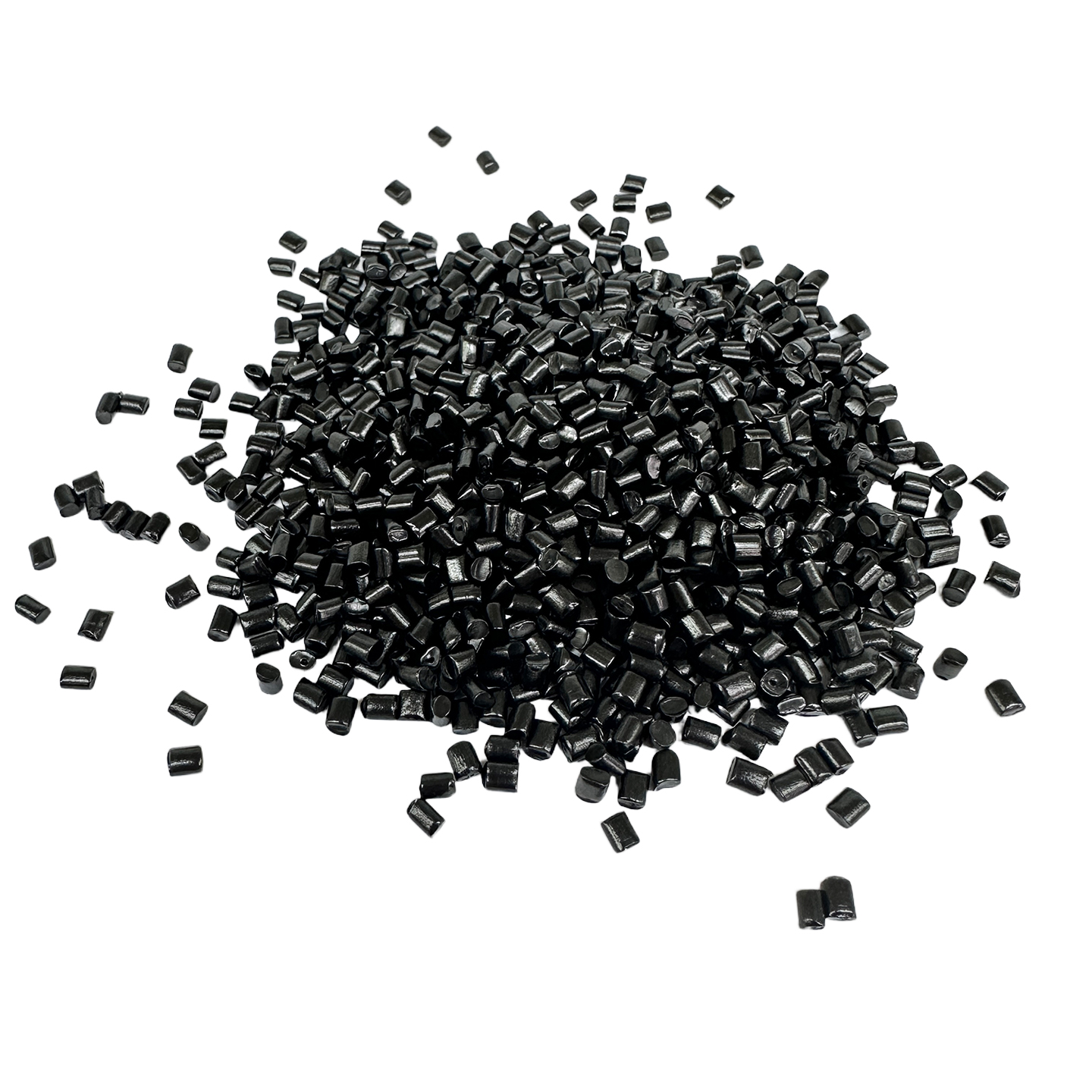
BPA Free & Low Volatile Environmentally Friendly Interior Black Masterbatch WMEG11-WMEG11
BPA Free & Low Volatile Environmentally Friendly Interior Black Masterbatch WMEG11
Introduction WMEG11 is produced by unique process in which carbon black is pre-dispersed, then compounded with the basic resin through plastication. It is widely used in modified compounding and injection applications. Suitable for PP and PE materi...
BPA Free & LFGB Approved food grade Black Masterbatch WMB56-WMB56
BPA Free & LFGB Approved food grade Black Masterbatch WMB56
Introduction WMB56 is produced by unique process in which carbon black is pre-dispersed, then compounded with the basic resin through plastication. It is widely used in injection and extrusion sheet applications. Suitable for ABS AS and PC materials...
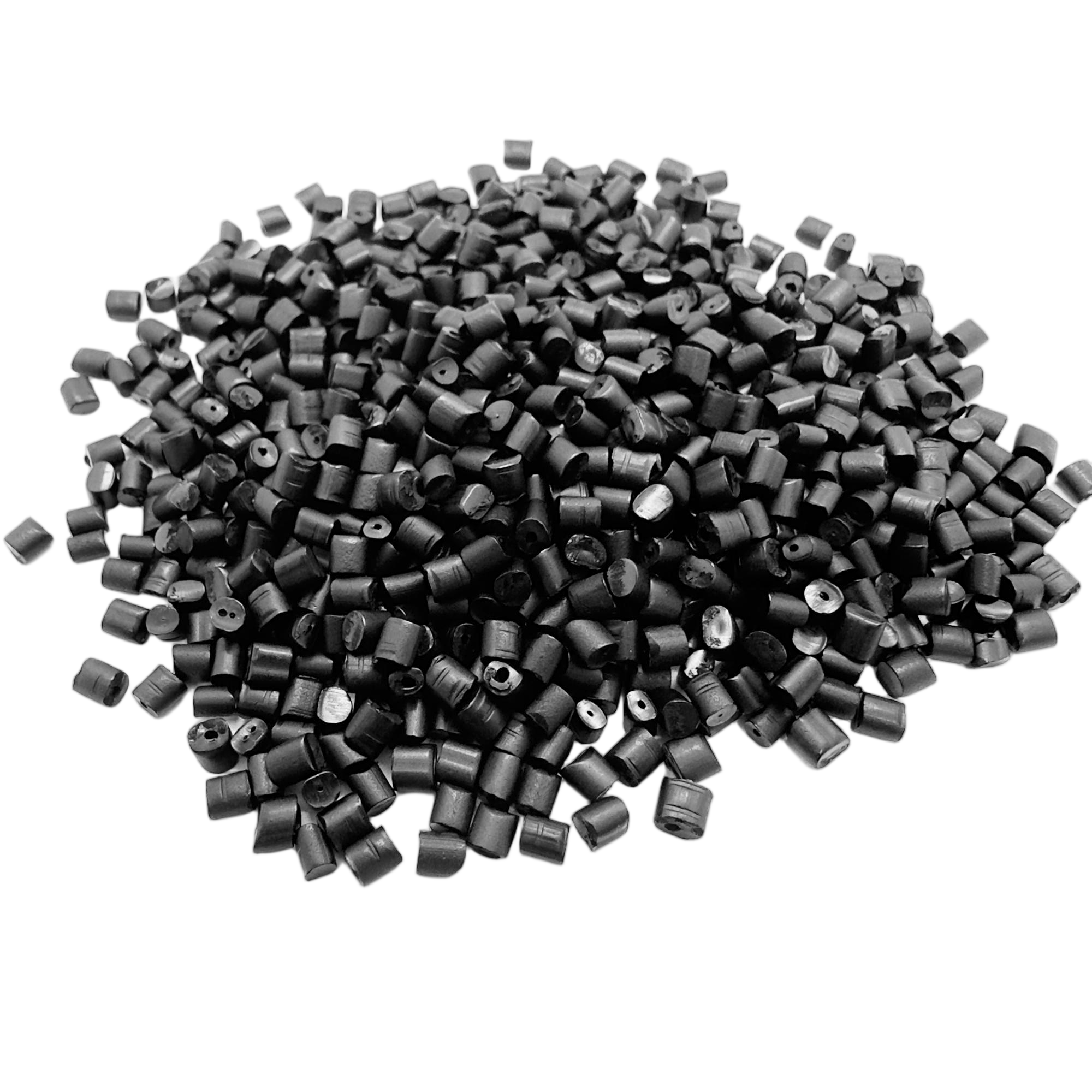
Strong And High Pigment PP Black Masterbatch WM785D-WM785D
Strong And High Pigment PP Black Masterbatch WM785D
Introduction WM785D is produced by unique process in which carbon black is pre-dispersed, then compounded with the basic resin through plastication. It is widely used in modified compounding and injection applications. Suitable for PP and PE materia...
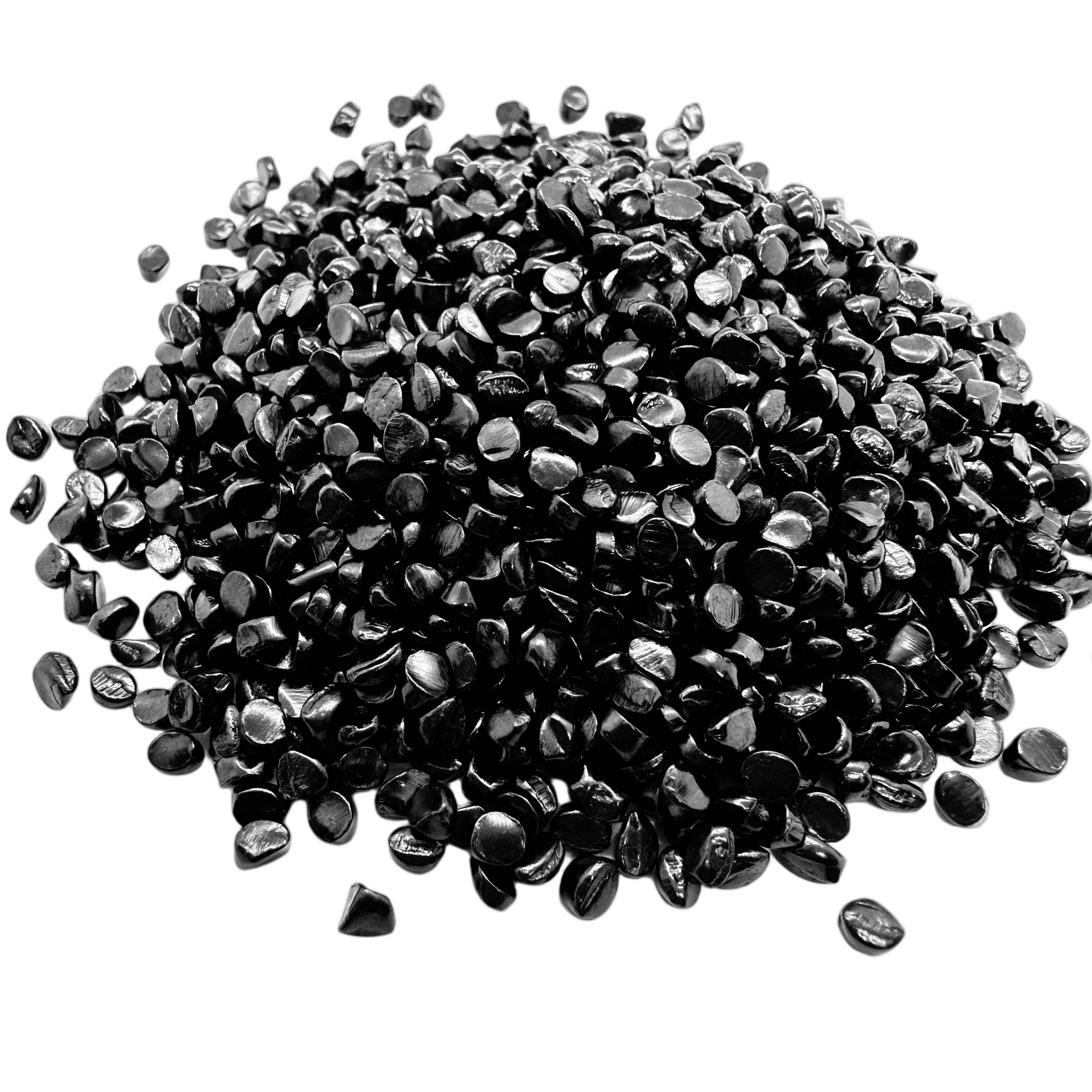
Injection Molding Reinforced Black Masterbatch WM16H (UN2014) -WM16H
Injection Molding Reinforced Black Masterbatch WM16H (UN2014)
Introduction WM16H is produced by pre-dispered carbon black, and then compounded with basic resin. It is widely used in ABS, PC/AS high glossy injection and modifiled compounding applications. Suitable for PP PE PC/ABS GPPS POM GPPS PA+GF materials....
Structure-Enhanced SAN Black Masterbatch WM2A-WM2A
Structure-Enhanced SAN Black Masterbatch WM2A
Introduction WM2A is produced by high-pigment carbon black with AS as carrier and special dispersion agent. Its carbon black is stable and blue-shape grade. Suitable for ABS PC high glossy injection materials, also PPO PPS PA PET etc. thermoplastic ...
Structure-Enhanced PS Black Masterbatch WM626-WM626
Structure-Enhanced PS Black Masterbatch WM626
Introduction WM626 is produced by unique process in which carbon black is pre-dispersed, then compounded with the basic resin through plastication. It is widely used in extrusion and injection applications. Suitable for HIPS materials. It features lo...
Structure-Enhanced PC Black Masterbatch WM6245-WM6245
Structure-Enhanced PC Black Masterbatch WM6245
Introduction WM6245 is produced by unique process in which carbon black is pre-dispersed, then compounded with the basic resin through plastication. It is widely used in extrusion and high glossy injection applications. Suitable for PC ABS/PC materia...
Universal Environmentally Resistant Black Masterbatch WM72-WM72
Universal Environmentally Resistant Black Masterbatch WM72
Introduction WM72 is produced by unique process in which carbon black is pre-dispersed, then compounded with the basic resin through plastication. It is widely used in film blowing and injection applications. Suitable for PP and PE materials. It fea...
Enhanced UV Protection Black Masterbatch WM3F-WM3F
Enhanced UV Protection Black Masterbatch WM3F
Introduction WM3F is produced by unique process in which carbon black is pre-dispersed, then compounded with the basic resin through plastication. It is widely used in water supply pipe,drip irrigation pipe,corrugated pipe and film blowing applicati...
Environmentally Resistant Black Masterbatch WM3E-WM3E
Environmentally Resistant Black Masterbatch WM3E
Introduction WM3E is produced by unique process in which carbon black is pre-dispersed, then compounded with the basic resin through plastication. It is widely used in water supply pipe,drip irrigation pipe,corrugated pipe and film blowing applicati...
General Low Carbon Black Masterbatch WME1-WME1
General Low Carbon Black Masterbatch WME1
Introduction WME1 is produced by unique process in which carbon black is pre-dispersed, then compounded with the polymer additive through plastication. It is widely used in injection, extrusion pipe and blow film applications. It features low dosage...
Weather-Resistant Black Filler Masterbatch WM307-WM307
Weather-Resistant Black Filler Masterbatch WM307
Introduction WM307 is produced by unique process in which carbon black is pre-dispersed, then compounded with the basic resin through plastication. It is widely used in injection, blow film and compounding applications. Suitable for PP, PE materials...
Get Your Free Sample Now
Submit this form and our sales representative will contact you soon.

Contact Us
Tel: +86 757 8118 6668/+86 139 2320 6383
Sales Hotline: +86 139 2320 6383
Address: No. 55, Yong'an Avenue, Guanyao, Shishan Town, Nanhai District, Foshan City, Guangdong Province, China.
Inquire
Copyright © 2026 Guangdong Jolink Technology Co., Ltd.