
SEARCH WHAT YOU WANT
Structure-Enhanced PS Black Masterbatch WM626
 |
 |
Introduction
WM626 is produced by unique process in which carbon black is pre-dispersed, then compounded with the basic resin through plastication. It is widely used in extrusion and injection applications. Suitable for HIPS materials. It features low dosage, high blackness, good brightness, excellent heat resistance, outstanding dispersibility and tinting power, and minimal impact on the physical properties of the final product.
Why the Carrier Is Polystyrene
Black masterbatch for styrenic and engineering resins is usually made one of two ways :
on a polyolefin carrier (normally PE or PP), or with no carrier at all, where the wax-based binder holds the pellet together.
Both approaches exist for good reasons. Neither one is polystyrene.
PE or PP carrier introduces polyolefin into styrenic melt.
The two polymers are not miscible.
In HIPS, the polyolefin sits in the rubber-modified matrix as separate domain instead of blending into it.
In thin sections that can show up as surface haze, streaking at the weld line, or a drop in notched impact that is difficult to trace back to the colourant.
No Carrier grade avoids the foreign-polymer problem by removing the polymer altogether.
What remains is the binder system , typically high-melting wax with dispersants , carrying 60% or more carbon black.
The binder melts and disperses in the barrel, and this is legitimate technical route.
But the binder is still not polystyrene, and choosing it means handing part of your formulation control to the masterbatch supplier.
WM626 takes the third route: the carrier is the same polymer as the matrix.
At 1%,, the masterbatch contributes roughly 0.33% carbon black and 0.67% polystyrene to the compound.
The polystyrene fraction is the material you were already running. Nothing to compatibilise, nothing to compensate for in your mechanical specification.
The trade-off, stated plainly
At 33% carbon content, you add more masterbatch per ton of compound than you would with 65% carrier-free grade.
So compare price per kilogram against price per unit of delivered black, and against the cost of one rejected batch.
If the goal is the smallest possible mass of masterbatch per ton, high-concentration carrier-free grade wins on paper.
If the goal is color that behaves exactly like the base resin, with dosing window you set once and stop thinking about, WM626 wins on the shop floor.
What Pre-Dispersion and Plastication Compounding Do
Carbon black doesn't arrive as loose powder you can stir in. It arrives as agglomerates, clusters of primary particles held together by van der Waals forces.
The whole job of a masterbatch is to break those clusters apart and keep them apart. Whether it succeeds is what separates a clean black part from one with specking, flow lines and gate streaking.
Pre-dispersion happens before compounding
The carbon black is wetted out and separated as its own step, before it ever meets the carrier resin.
Doing it separately instead of relying on the extruder alone means the energy needed to break the agglomerates is applied where you can control it,
instead of being borrowed from the same shear that's supposed to be melting your polymer.
Plastication compounding instead of dry blending
The pre-dispersed black is then worked into the molten PS carrier under controlled temperature and shear.
The black ends up distributed through the carrier pellet rather than coated on the outside of the granules, where your machine would have to disperse it all over again.
Check the dispersion figure
Carbon content tells you how much black is in the bag. Dispersion tells you what the black will look like in your part.
WM626 is specified at ≤ 3.0, a figure we test and report rather than an adjective.
When you're comparing suppliers, ask for it. A 65% grade with poor dispersion gives you a worse part than a 33% grade with good dispersion.
Processing Guide
Injection moulding
For injection moulding, start at 1.0% and tune between 0.8% and 2.0%. Run the barrel at 190–230 °C for HIPS and 200–240 °C for GPPS.
Back pressure can stay at your normal PS settings, since dispersion needs no extra shear. A standard PS screw with a general-purpose mixing section is enough.
Pull the first shots and check colour and surface before you commit to a production run.
Extrusion
Sheet, profile and pipe extrusion run at lower shear and longer residence time than injection moulding, so a couple of things matter more than the headline dosage figure.
MFI match. The 1–10 g/10 min window suits extrusion grades well.
If you run a very high-flow injection grade, above MFI 15, ask us about a matched carrier so the masterbatch doesn't create a viscosity mismatch at the die.
Residence time. Polystyrene depolymerises when it's held hot for too long. You'll notice it as yellowing or a styrene odour well before you notice it as a blackness problem.
Keep barrel temperatures below 250 °C and avoid dead zones in the screw.
Confirm your dosage. The 0.8–2.0% figure on the datasheet is the injection recommendation. Send us your extrusion setup and we'll confirm a starting point.
Pre-drying
Usually not. PS isn't hygroscopic the way PC or PA is, and WM626 ships at ≤ 0.20% moisture. Keep the bag sealed between uses and the material stays in spec.
If your plant runs humid, two hours at 80 °C costs almost nothing and takes one more variable out of the process.
Common mistakes
Don't exceed 250 °C in the barrel. Thermal degradation of the carrier releases styrene monomer. You'll see it as yellowing in the purges, and as a dull, cloudy surface on black parts.
Don't dose by eye or by volume. At 0.8–2.0% addition, the gap between 1.0% and 1.5% shows up in the finished part. Use a gravimetric feeder, or check-weigh on the first run of any new product.
Where WM626 suitable
Home appliances. Refrigerator interior parts, air-conditioner components, washing machine panels, TV backs and bezels.
Consumer electronics. HIPS enclosures, internal structural parts, speaker and set-top housings.
Packaging. Trays, containers, closures, cosmetic and personal-care packaging.
Stationery and office supplies. File boxes, document trays, pen barrels, desktop organisers.
Toys and novelties. RoHS compliant. Ask us for whatever additional documentation your destination market requires.
Household goods. Hangers, storage crates, bathroom fittings, household hardware.
Extruded sheet and profile. PS sheet for thermoforming, edge banding, decorative profiles.
Industrial mouldings. Reels, spools, cable accessories and other technical PS components.
WM626 is designed for polystyrene. If your part is ABS, SAN or polycarbonate, tell us the resin system and we'll point you to the right grade instead of letting you trial the wrong one.
Technical Parameter
| Carbon Content | 33%±1 |
| Carrier | PS |
| MFI | 1-10 (g/ 10min(200℃ 10kg) |
| Moisture | ≤0.2% |
| Dispersion | Excellent(≤3.0) |
| Compliance | RoHS |
| Application | Injection Extrusion |
| Dosage Advice | Injection: 0.8–2.0% |
| OEM | Accpeted |
Setting Your Starting Dosage
| Your Situation | What to do |
| Standard GPPS / HIPS injection, targeting full opacity | Start at 1.0%, step up in 0.2% increments until you reach the required shade depth |
| Thin walls, long flow paths, deep sections | Work in the upper half of the range, then inspect for gate streaking and flow lines |
| Extrusion of sheet or profile | Contact us; the datasheet figure is the injection recommendation |
| Already at 2.0% and the part is still not black enough | Usually a dispersion or pigment-grade question rather than a dosage question. Send us a sample and a photo of the defect |
| Matching an existing part or a customer's shade standard | Send the reference part and your resin grade ,we will recommend a starting dosage for a trial |
Quality Documentation and OEM
Every shipment comes with a batch certificate covering carbon content, moisture, MFI and dispersion, plus a RoHS declaration.
If your compliance file needs more, whether that's REACH SVHC statements, PAHs data for toy or consumer applications, or a specific declaration format your customer wants,
tell us before the order is placed and we'll confirm exactly what we can provide.
Private label is available. We produce WM626 under customer brand names and pack it with your own labels and bag artwork.
Frequently Asked Questions
Why is the carbon content 33% and not 60% or higher?
Because 33% is a design choice rather than a ceiling. Very high carbon content serves compounders who need the polymer composition of their compound tightly controlled,
and who have the equipment to run a pellet held together only by binder. WM626 trades maximum carbon concentration for pellet integrity, reliable feeding, and a carrier chemically identical to the matrix.
On a PS-only line that trade usually pays for itself. The colour arrives pre-mixed into a compatible polymer, and dosing stays in a narrow, predictable band.
Does the PS carrier dilute the rubber phase in HIPS?
At 1.0% dosage the carrier adds roughly 0.67% polystyrene to the compound. If your HIPS contains around 8% polybutadiene,
that shifts the rubber fraction by about 1% relative, well inside normal batch-to-batch variation in the base resin.
If your impact spec has no headroom at all, run a trial and measure the notched impact. That's the only honest answer we can give, and we'd rather you test it than take our word for it.
Do I have to pre-dry WM626 before processing?
In most cases, no. Polystyrene isn't hygroscopic, and WM626 ships at ≤ 0.20% moisture.
Keep the bag resealed and you can skip the drying step. In a humid plant, or after a long spell in open packaging, two hours at 80 °C is cheap insurance against surface defects.
Can I use WM626 for ABS or polycarbonate?
No. WM626's carrier is polystyrene, which isn't miscible with polycarbonate and only partly compatible with ABS and SAN.
Using it in those resins is the same foreign-phase problem described above, arriving from the other direction. Tell us the resin system and we'll recommend the right grade.
What causes black specking, and how does WM626 prevent it?
Specking is undispersed carbon black agglomerate. A cluster that survives the barrel shows up in the finished part as a visible speck.
One that only partly breaks down shows up as a streak at the gate. WM626 handles it in two stages.
The black is pre-dispersed before compounding, then plastication-compounded into the carrier under controlled shear. The ≤ 3.0 dispersion figure is what that process delivers.
Is WM626 suitable for outdoor parts?
Carbon black is one of the better UV screens for styrenic polymers, but it only works as well as your loading allows.
At typical WM626 dosage the finished part holds roughly 0.3–0.7% carbon black.
That's useful screening, but it won't replace a dedicated light-stabiliser package if the part sees years of direct sunlight.
One thing to weigh at the design stage, dark parts absorb more solar heat than light ones, so thermal expansion and dimensional tolerances need thinking about separately from colour.
What documentation arrives with my order?
A batch certificate covering carbon content, moisture, MFI and dispersion, plus an RoHS declaration.
Additional documentation, such as REACH SVHC statements, PAH data, or a customer-specific format, can be discussed before the order so nothing surprises you at the port.
Request a Trial Sample
Send us your resin grade, GPPS or HIPS with the supplier's grade code, the application and wall thickness, and a reference part or target shade if you have one.
Our technical team will come back with a starting dosage and send a sample for a line trial.
→ Contact us for a WM626 sample
Packing and Storage
25kg/bag, PE or Composite Paper bag
Stored under dry, enclosed and cool conditions, protected from UV rays and/or direct sunlight. After used, the opened packaging must be resealed properly to prevent the product from absorbing moisture, which could affect its performance.
Note
The technical results are typical values and are provided for customer reference only. They are not to be regarded as a guarantee of minimum or maximum quality specifications.
|
Introduction
WM626 is produced by unique process in which carbon black is pre-dispersed, then compounded with the basic resin through plastication. It is widely used in extrusion and injection applications. Suitable for HIPS materials. It features low dosage, high blackness, good brightness, excellent heat resistance, outstanding dispersibility and tinting power, and minimal impact on the physical properties of the final product.
Why the Carrier Is Polystyrene
Black masterbatch for styrenic and engineering resins is usually made one of two ways :
on a polyolefin carrier (normally PE or PP), or with no carrier at all, where the wax-based binder holds the pellet together.
Both approaches exist for good reasons. Neither one is polystyrene.
PE or PP carrier introduces polyolefin into styrenic melt.
The two polymers are not miscible.
In HIPS, the polyolefin sits in the rubber-modified matrix as separate domain instead of blending into it.
In thin sections that can show up as surface haze, streaking at the weld line, or a drop in notched impact that is difficult to trace back to the colourant.
No Carrier grade avoids the foreign-polymer problem by removing the polymer altogether.
What remains is the binder system , typically high-melting wax with dispersants , carrying 60% or more carbon black.
The binder melts and disperses in the barrel, and this is legitimate technical route.
But the binder is still not polystyrene, and choosing it means handing part of your formulation control to the masterbatch supplier.
WM626 takes the third route: the carrier is the same polymer as the matrix.
At 1%,, the masterbatch contributes roughly 0.33% carbon black and 0.67% polystyrene to the compound.
The polystyrene fraction is the material you were already running. Nothing to compatibilise, nothing to compensate for in your mechanical specification.
The trade-off, stated plainly
At 33% carbon content, you add more masterbatch per ton of compound than you would with 65% carrier-free grade.
So compare price per kilogram against price per unit of delivered black, and against the cost of one rejected batch.
If the goal is the smallest possible mass of masterbatch per ton, high-concentration carrier-free grade wins on paper.
If the goal is color that behaves exactly like the base resin, with dosing window you set once and stop thinking about, WM626 wins on the shop floor.
What Pre-Dispersion and Plastication Compounding Do
Carbon black doesn't arrive as loose powder you can stir in. It arrives as agglomerates, clusters of primary particles held together by van der Waals forces.
The whole job of a masterbatch is to break those clusters apart and keep them apart. Whether it succeeds is what separates a clean black part from one with specking, flow lines and gate streaking.
Pre-dispersion happens before compounding
The carbon black is wetted out and separated as its own step, before it ever meets the carrier resin.
Doing it separately instead of relying on the extruder alone means the energy needed to break the agglomerates is applied where you can control it,
instead of being borrowed from the same shear that's supposed to be melting your polymer.
Plastication compounding instead of dry blending
The pre-dispersed black is then worked into the molten PS carrier under controlled temperature and shear.
The black ends up distributed through the carrier pellet rather than coated on the outside of the granules, where your machine would have to disperse it all over again.
Check the dispersion figure
Carbon content tells you how much black is in the bag. Dispersion tells you what the black will look like in your part.
WM626 is specified at ≤ 3.0, a figure we test and report rather than an adjective.
When you're comparing suppliers, ask for it. A 65% grade with poor dispersion gives you a worse part than a 33% grade with good dispersion.
Processing Guide
Injection moulding
For injection moulding, start at 1.0% and tune between 0.8% and 2.0%. Run the barrel at 190–230 °C for HIPS and 200–240 °C for GPPS.
Back pressure can stay at your normal PS settings, since dispersion needs no extra shear. A standard PS screw with a general-purpose mixing section is enough.
Pull the first shots and check colour and surface before you commit to a production run.
Extrusion
Sheet, profile and pipe extrusion run at lower shear and longer residence time than injection moulding, so a couple of things matter more than the headline dosage figure.
MFI match. The 1–10 g/10 min window suits extrusion grades well.
If you run a very high-flow injection grade, above MFI 15, ask us about a matched carrier so the masterbatch doesn't create a viscosity mismatch at the die.
Residence time. Polystyrene depolymerises when it's held hot for too long. You'll notice it as yellowing or a styrene odour well before you notice it as a blackness problem.
Keep barrel temperatures below 250 °C and avoid dead zones in the screw.
Confirm your dosage. The 0.8–2.0% figure on the datasheet is the injection recommendation. Send us your extrusion setup and we'll confirm a starting point.
Pre-drying
Usually not. PS isn't hygroscopic the way PC or PA is, and WM626 ships at ≤ 0.20% moisture. Keep the bag sealed between uses and the material stays in spec.
If your plant runs humid, two hours at 80 °C costs almost nothing and takes one more variable out of the process.
Common mistakes
Don't exceed 250 °C in the barrel. Thermal degradation of the carrier releases styrene monomer. You'll see it as yellowing in the purges, and as a dull, cloudy surface on black parts.
Don't dose by eye or by volume. At 0.8–2.0% addition, the gap between 1.0% and 1.5% shows up in the finished part. Use a gravimetric feeder, or check-weigh on the first run of any new product.
Where WM626 suitable
Home appliances. Refrigerator interior parts, air-conditioner components, washing machine panels, TV backs and bezels.
Consumer electronics. HIPS enclosures, internal structural parts, speaker and set-top housings.
Packaging. Trays, containers, closures, cosmetic and personal-care packaging.
Stationery and office supplies. File boxes, document trays, pen barrels, desktop organisers.
Toys and novelties. RoHS compliant. Ask us for whatever additional documentation your destination market requires.
Household goods. Hangers, storage crates, bathroom fittings, household hardware.
Extruded sheet and profile. PS sheet for thermoforming, edge banding, decorative profiles.
Industrial mouldings. Reels, spools, cable accessories and other technical PS components.
WM626 is designed for polystyrene. If your part is ABS, SAN or polycarbonate, tell us the resin system and we'll point you to the right grade instead of letting you trial the wrong one.
Technical Parameter
| Carbon Content | 33%±1 |
| Carrier | PS |
| MFI | 1-10 (g/ 10min(200℃ 10kg) |
| Moisture | ≤0.2% |
| Dispersion | Excellent(≤3.0) |
| Compliance | RoHS |
| Application | Injection Extrusion |
| Dosage Advice | Injection: 0.8–2.0% |
| OEM | Accpeted |
Setting Your Starting Dosage
| Your Situation | What to do |
| Standard GPPS / HIPS injection, targeting full opacity | Start at 1.0%, step up in 0.2% increments until you reach the required shade depth |
| Thin walls, long flow paths, deep sections | Work in the upper half of the range, then inspect for gate streaking and flow lines |
| Extrusion of sheet or profile | Contact us; the datasheet figure is the injection recommendation |
| Already at 2.0% and the part is still not black enough | Usually a dispersion or pigment-grade question rather than a dosage question. Send us a sample and a photo of the defect |
| Matching an existing part or a customer's shade standard | Send the reference part and your resin grade ,we will recommend a starting dosage for a trial |
Quality Documentation and OEM
Every shipment comes with a batch certificate covering carbon content, moisture, MFI and dispersion, plus a RoHS declaration.
If your compliance file needs more, whether that's REACH SVHC statements, PAHs data for toy or consumer applications, or a specific declaration format your customer wants,
tell us before the order is placed and we'll confirm exactly what we can provide.
Private label is available. We produce WM626 under customer brand names and pack it with your own labels and bag artwork.
Frequently Asked Questions
Why is the carbon content 33% and not 60% or higher?
Because 33% is a design choice rather than a ceiling. Very high carbon content serves compounders who need the polymer composition of their compound tightly controlled,
and who have the equipment to run a pellet held together only by binder. WM626 trades maximum carbon concentration for pellet integrity, reliable feeding, and a carrier chemically identical to the matrix.
On a PS-only line that trade usually pays for itself. The colour arrives pre-mixed into a compatible polymer, and dosing stays in a narrow, predictable band.
Does the PS carrier dilute the rubber phase in HIPS?
At 1.0% dosage the carrier adds roughly 0.67% polystyrene to the compound. If your HIPS contains around 8% polybutadiene,
that shifts the rubber fraction by about 1% relative, well inside normal batch-to-batch variation in the base resin.
If your impact spec has no headroom at all, run a trial and measure the notched impact. That's the only honest answer we can give, and we'd rather you test it than take our word for it.
Do I have to pre-dry WM626 before processing?
In most cases, no. Polystyrene isn't hygroscopic, and WM626 ships at ≤ 0.20% moisture.
Keep the bag resealed and you can skip the drying step. In a humid plant, or after a long spell in open packaging, two hours at 80 °C is cheap insurance against surface defects.
Can I use WM626 for ABS or polycarbonate?
No. WM626's carrier is polystyrene, which isn't miscible with polycarbonate and only partly compatible with ABS and SAN.
Using it in those resins is the same foreign-phase problem described above, arriving from the other direction. Tell us the resin system and we'll recommend the right grade.
What causes black specking, and how does WM626 prevent it?
Specking is undispersed carbon black agglomerate. A cluster that survives the barrel shows up in the finished part as a visible speck.
One that only partly breaks down shows up as a streak at the gate. WM626 handles it in two stages.
The black is pre-dispersed before compounding, then plastication-compounded into the carrier under controlled shear. The ≤ 3.0 dispersion figure is what that process delivers.
Is WM626 suitable for outdoor parts?
Carbon black is one of the better UV screens for styrenic polymers, but it only works as well as your loading allows.
At typical WM626 dosage the finished part holds roughly 0.3–0.7% carbon black.
That's useful screening, but it won't replace a dedicated light-stabiliser package if the part sees years of direct sunlight.
One thing to weigh at the design stage, dark parts absorb more solar heat than light ones, so thermal expansion and dimensional tolerances need thinking about separately from colour.
What documentation arrives with my order?
A batch certificate covering carbon content, moisture, MFI and dispersion, plus an RoHS declaration.
Additional documentation, such as REACH SVHC statements, PAH data, or a customer-specific format, can be discussed before the order so nothing surprises you at the port.
Request a Trial Sample
Send us your resin grade, GPPS or HIPS with the supplier's grade code, the application and wall thickness, and a reference part or target shade if you have one.
Our technical team will come back with a starting dosage and send a sample for a line trial.
→ Contact us for a WM626 sample
Packing and Storage
25kg/bag, PE or Composite Paper bag
Stored under dry, enclosed and cool conditions, protected from UV rays and/or direct sunlight. After used, the opened packaging must be resealed properly to prevent the product from absorbing moisture, which could affect its performance.
Note
The technical results are typical values and are provided for customer reference only. They are not to be regarded as a guarantee of minimum or maximum quality specifications.
Previous: No more data
Next: No more data
Related Products
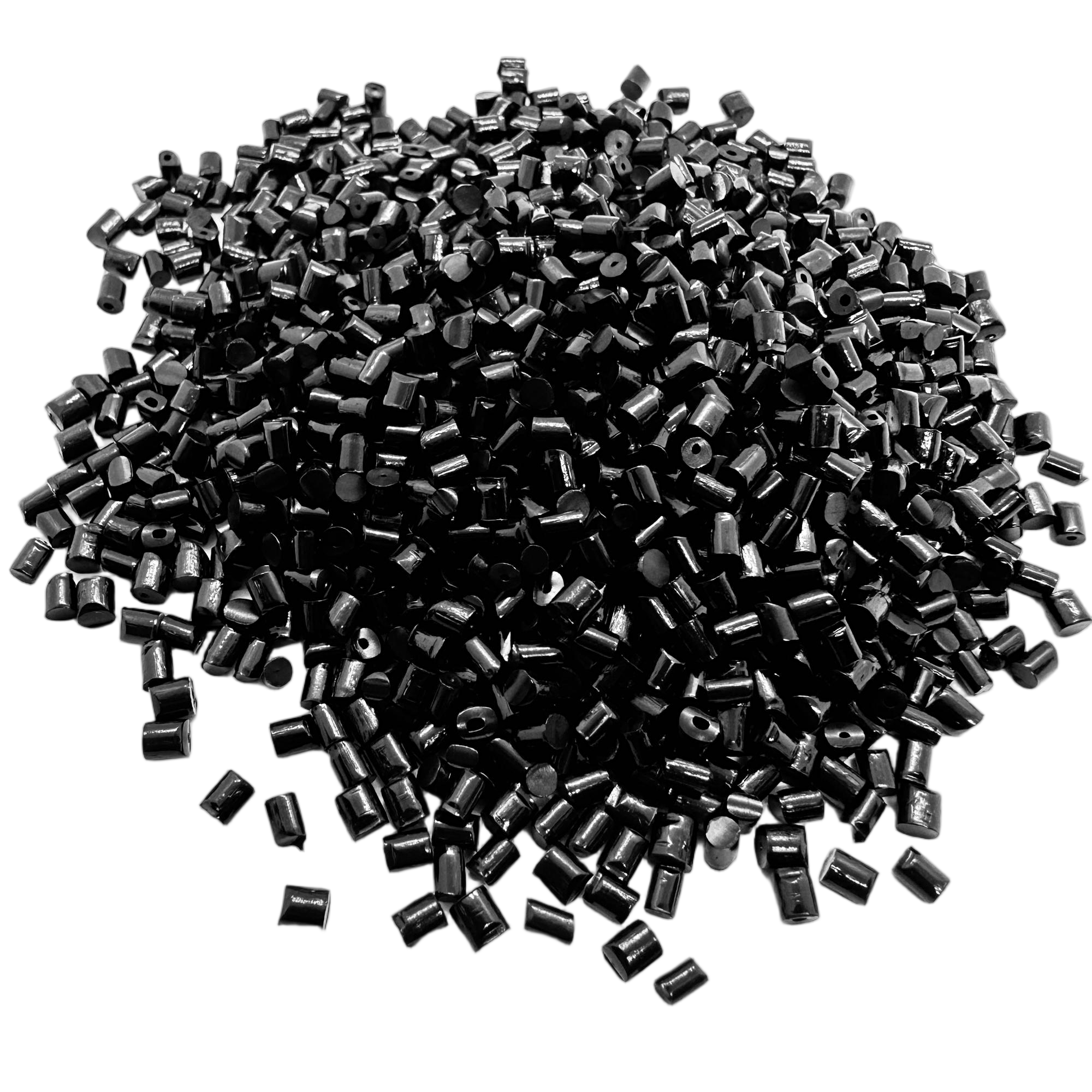
Structure-Enhanced PC Black Masterbatch WM6245-WM6245
Structure-Enhanced PC Black Masterbatch WM6245
Introduction WM6245 is produced by unique process in which carbon black is pre-dispersed, then compounded with the basic resin through plastication. It is widely used in extrusion and high glossy injection applications. Suitable for PC ABS/PC materia...
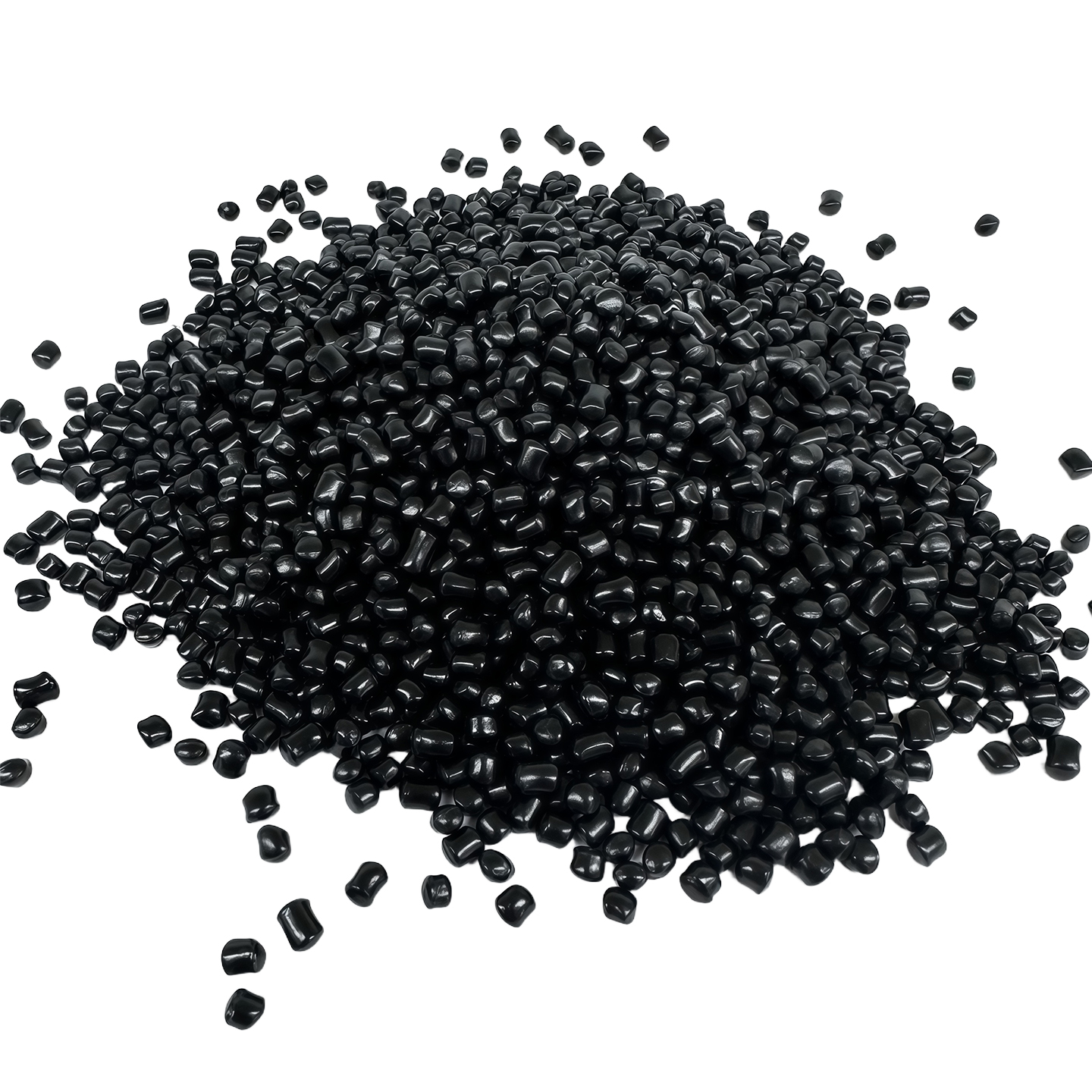
Universal Environmentally Resistant Black Masterbatch WM72-WM72
Universal Environmentally Resistant Black Masterbatch WM72
Introduction WM72 is produced by unique process in which carbon black is pre-dispersed, then compounded with the basic resin through plastication. It is widely used in film blowing and injection applications. Suitable for PP and PE materials. It fea...
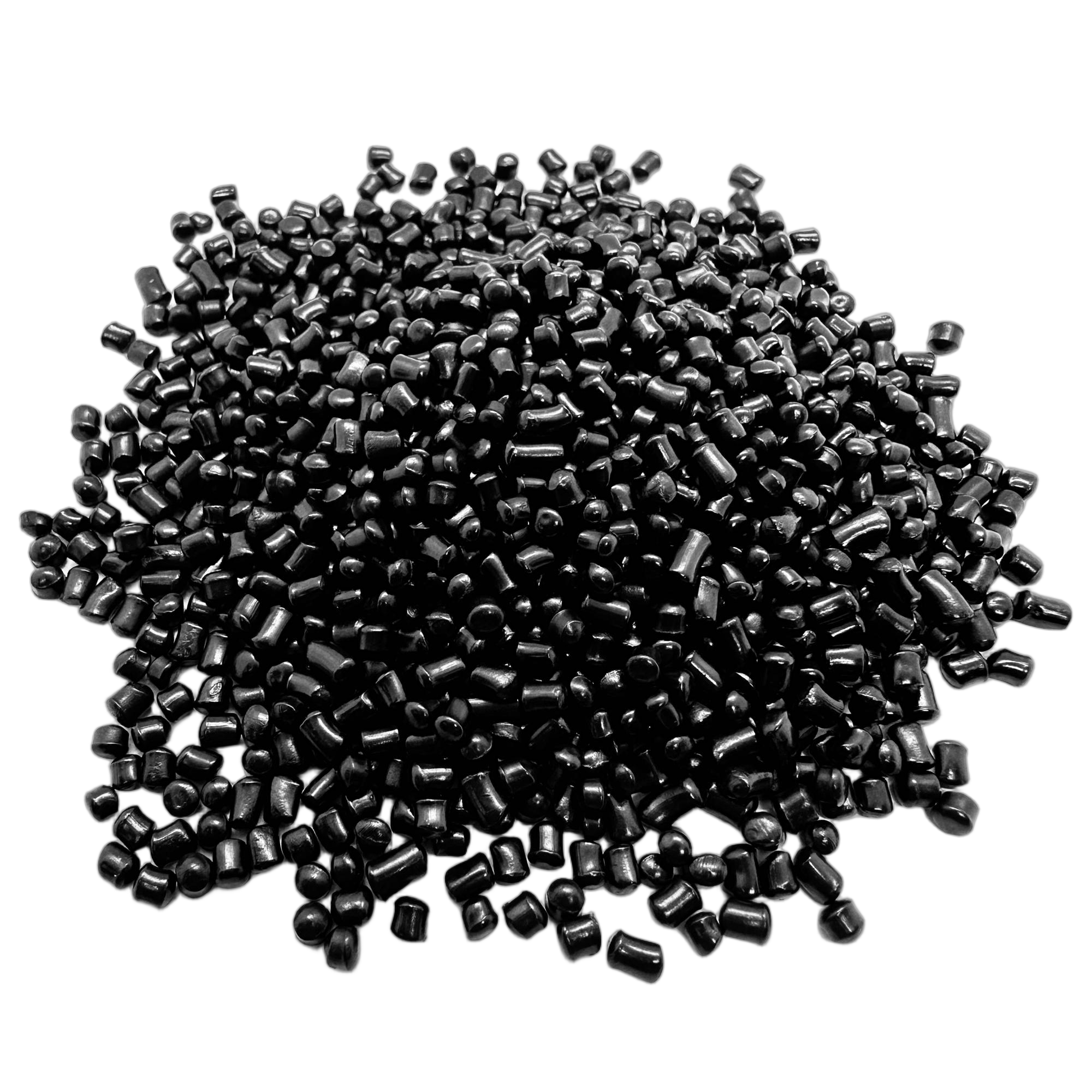
Environmentally Friendly FDA approved & food grade Black Masterbatch WM70E2-WM70E2
Environmentally Friendly FDA approved & food grade Black Masterbatch WM70E2
Introduction WM70E2 is produced by unique process in which carbon black is pre-dispersed, then compounded with the basic resin through plastication. It is widely used in injection (both general and thin wall injection), blow molding and extrusion sh...
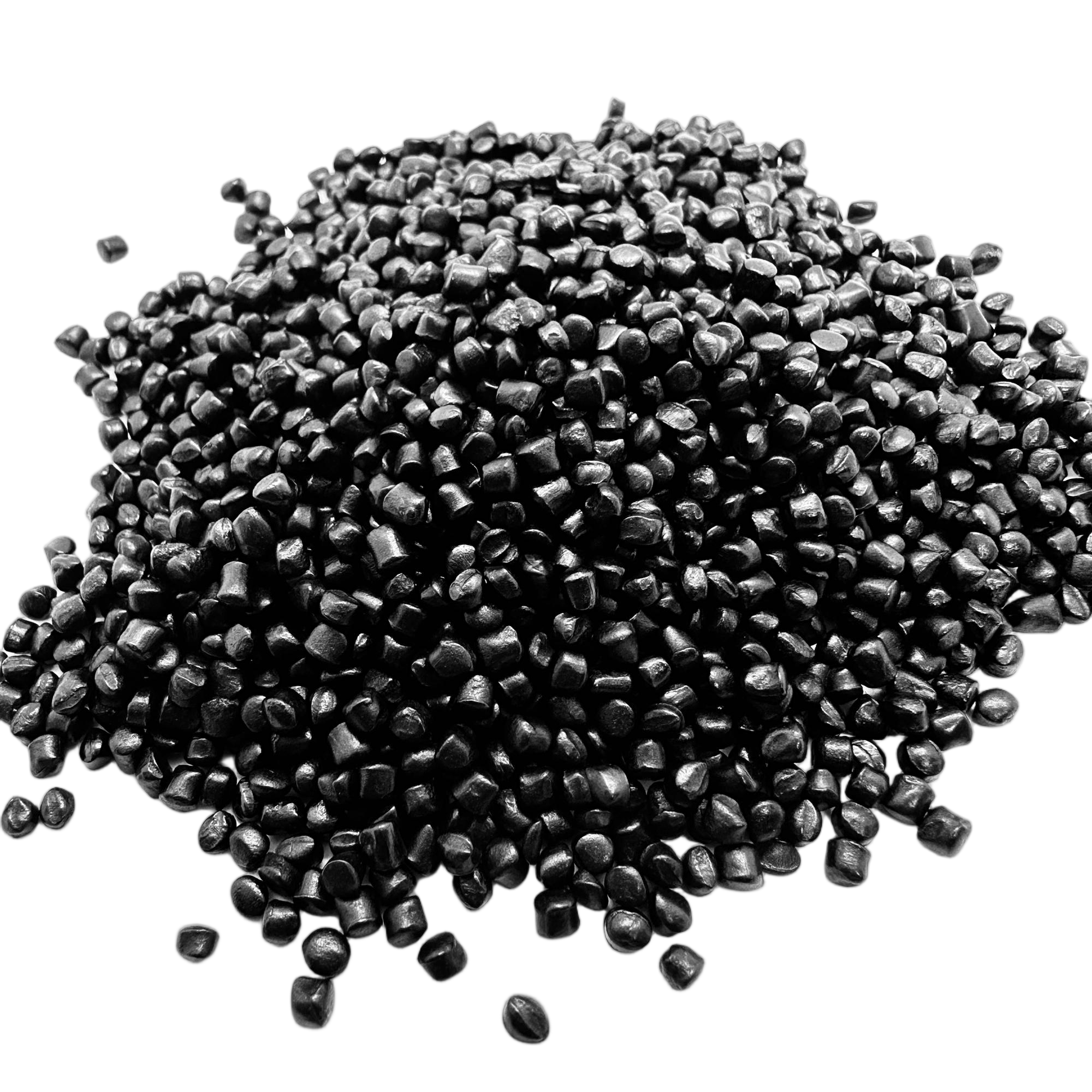
Low Volatile & High Concentration Environmentally Friendly Filled Black Masterbatch WM261YF-WM261YF
Low Volatile & High Concentration Environmentally Friendly Filled Black Masterbatch WM261YF
Introduction WM261YF is produced by unique process in which carbon black is pre-dispersed, then compounded with the basic resin through plastication. It is widely used in injection and modified compounding applications. Suitable for PP PE materials....
Environmentally Resistant Black Masterbatch WM3F-WM3F
Environmentally Resistant Black Masterbatch WM3F
Introduction WM3F is produced by unique process in which carbon black is pre-dispersed, then compounded with the basic resin through plastication. It is widely used in water supply pipe,drip irrigation pipe,corrugated pipe and film blowing applicati...
General Low Carbon Black Masterbatch WME1-WME1
General Low Carbon Black Masterbatch WME1
Introduction WME1 is produced by unique process in which carbon black is pre-dispersed, then compounded with the polymer additive through plastication. It is widely used in injection, extrusion pipe and blow film applications. It features low dosage...
Weather-Resistant Black Filler Masterbatch WM307-WM307
Weather-Resistant Black Filler Masterbatch WM307
Introduction WM307 is produced by unique process in which carbon black is pre-dispersed, then compounded with the basic resin through plastication. It is widely used in injection, blow film and compounding applications. Suitable for PP, PE material...
Durable Black Environmentally Friendly Functional Masterbatch WM30-WM30
Durable Black Environmentally Friendly Functional Masterbatch WM30
Introduction WM30 is produced by unique process in which carbon black is pre-dispersed, then compounded with the basic resin through plastication. It is widely used in injection, modified compounding, pipe & sheet applications. Suitable for PP ,PE a...
Environmentally Friendly Black Masterbatch WM101-WM101
Environmentally Friendly Black Masterbatch WM101
Introduction WM101 is produced by polymer additive with pre-dispersed carbon black , then compounded with the basic resin through plastication. It is widely used in injection, pipe, blow film applications. It features low dosage, high blackness, goo...
High Concentration Environmentally Friendly Filled Black Masterbatch WM8E-WM8E
High Concentration Environmentally Friendly Filled Black Masterbatch WM8E
Introduction WM8E is produced by unique process in which carbon black is pre-dispersed, then compounded with the basic resin through plastication. It is widely used in film blowing , blowing plastic and injection applications. Suitable for PP and PE...
Universal Courier bag Extrusion Black Masterbatch WM2ADM-WM2ADM
Universal Courier bag Extrusion Black Masterbatch WM2ADM
Introduction WM2ADM is produced by unique process in which carbon black is pre-dispersed, then compounded with the basic resin through plastication. It is widely used in film blowing , blowing plastic and fiber applications. Suitable for PP and PE m...
Stable Dispersion & Excellent Hiding Concentrated Mulch Black Masterbatch WMULCH-1-WMULCH-1
Stable Dispersion & Excellent Hiding Concentrated Mulch Black Masterbatch WMULCH-1
Introduction Mulch film is judged in the field, not in the warehouse. By the time a roll reaches the bed former, three things have already decided how the film will behave for the rest of the season: how much carbon black is genuinely in the film, ...
High Concentration Carrier-Free Black Masterbatch WMB34-WMB34
High Concentration Carrier-Free Black Masterbatch WMB34
Introduction WMB34 is produced by unique process in which carbon black is pre-dispersed, then compounded with the basic resin through plastication. It is widely used in injection and modified compounding applications. Suitable for PP PE ABS PA+GF...
Strong And High Pigment Black Masterbatch WM913-WM913
Strong And High Pigment Black Masterbatch WM913
Introduction WM913 is produced by pre-dispersed carbon black with polymer additive, then compounded through plastication. It is widely used in modified compounding applications. Suitable for PP PE ABS PPR ABS HIPS materials. It features low dosage...
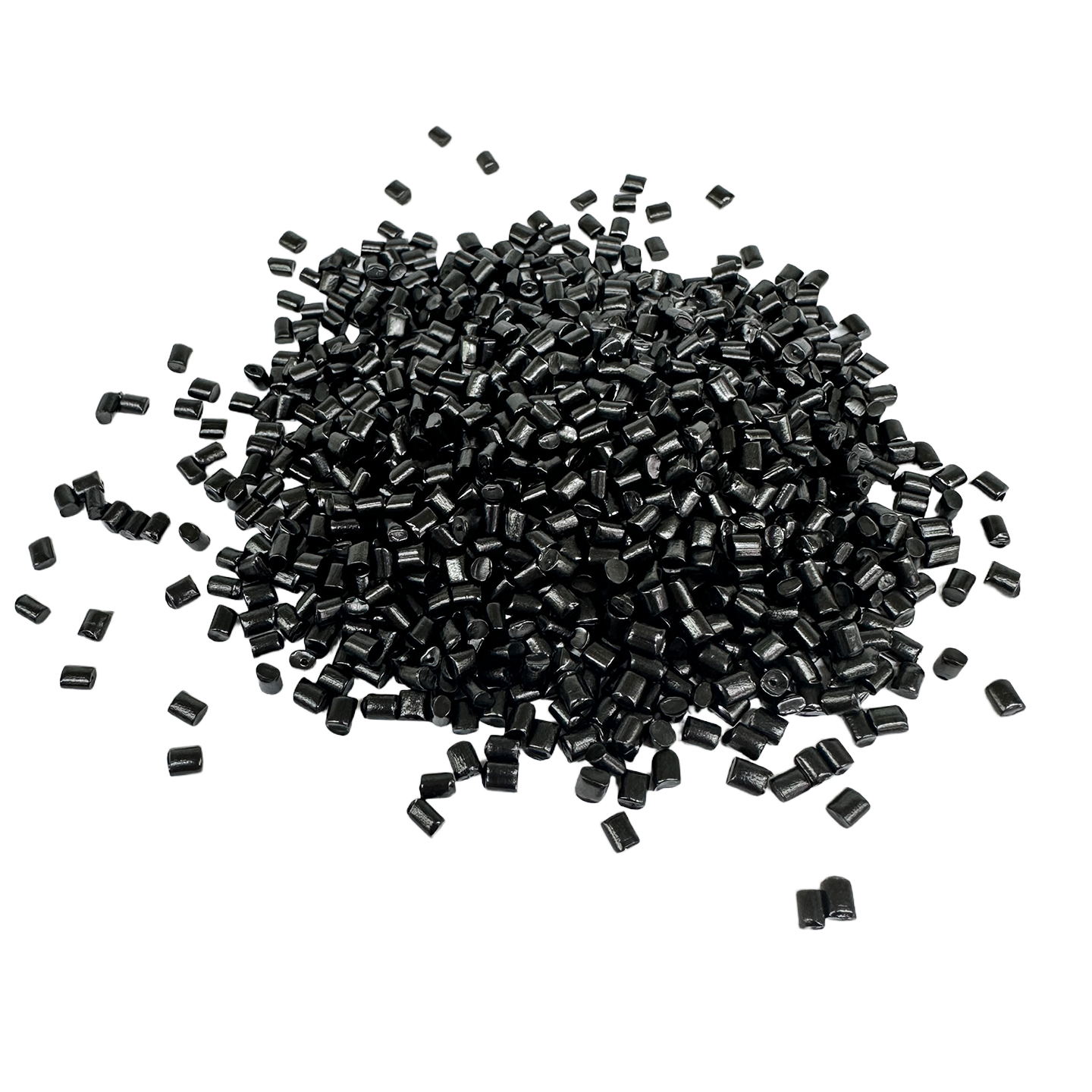
BPA Free & Low Volatile Environmentally Friendly Interior Black Masterbatch WMEG11-WMEG11
BPA Free & Low Volatile Environmentally Friendly Interior Black Masterbatch WMEG11
Introduction WMEG11 is produced by unique process in which carbon black is pre-dispersed, then compounded with the basic resin through plastication. It is widely used in modified compounding and injection applications. Suitable for PP and PE materi...
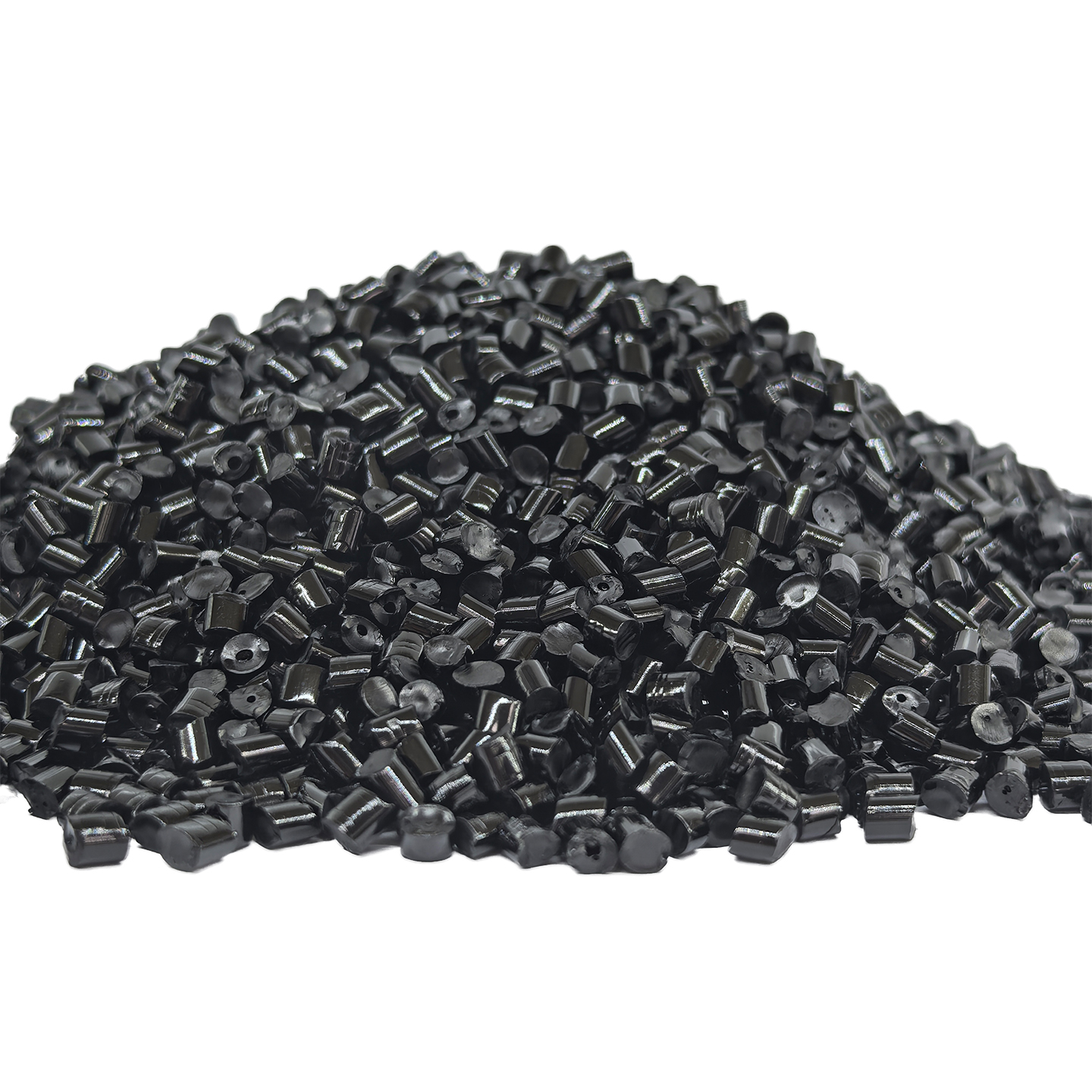
BPA Free & LFGB Approved food grade Black Masterbatch WMB56-WMB56
BPA Free & LFGB Approved food grade Black Masterbatch WMB56
Introduction WMB56, a low-odour black masterbatch for ABS, AS and PC appliance housings WMB56 is produced by unique process in which carbon black is pre-dispersed, then compounded with the basic resin through plastication. It is widely used in inje...
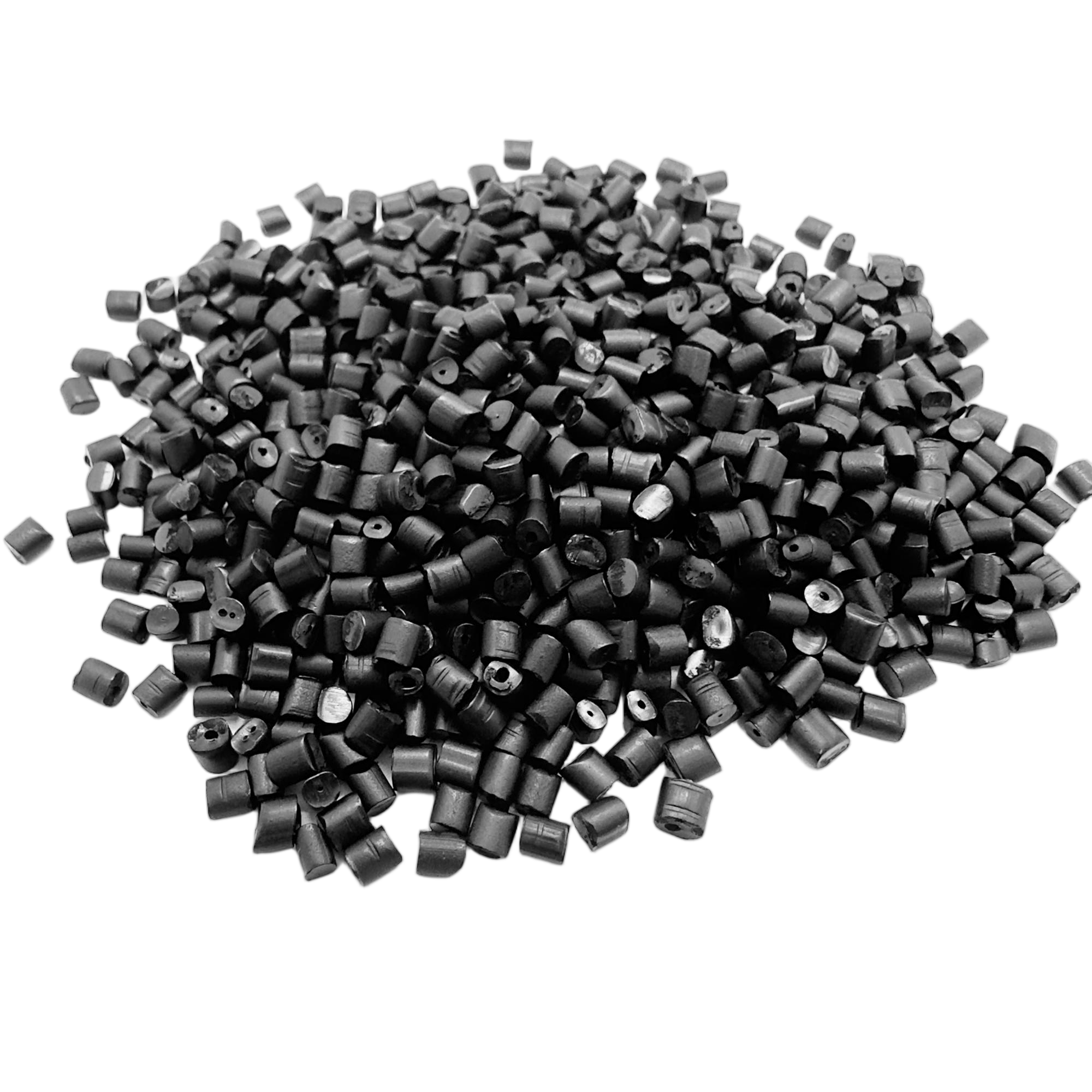
Strong And High Pigment PP Black Masterbatch WM785D-WM785D
Strong And High Pigment PP Black Masterbatch WM785D
Introduction WM785D is produced by unique process in which carbon black is pre-dispersed, then compounded with the basic resin through plastication. It is widely used in modified compounding and injection applications. Suitable for PP and PE materia...
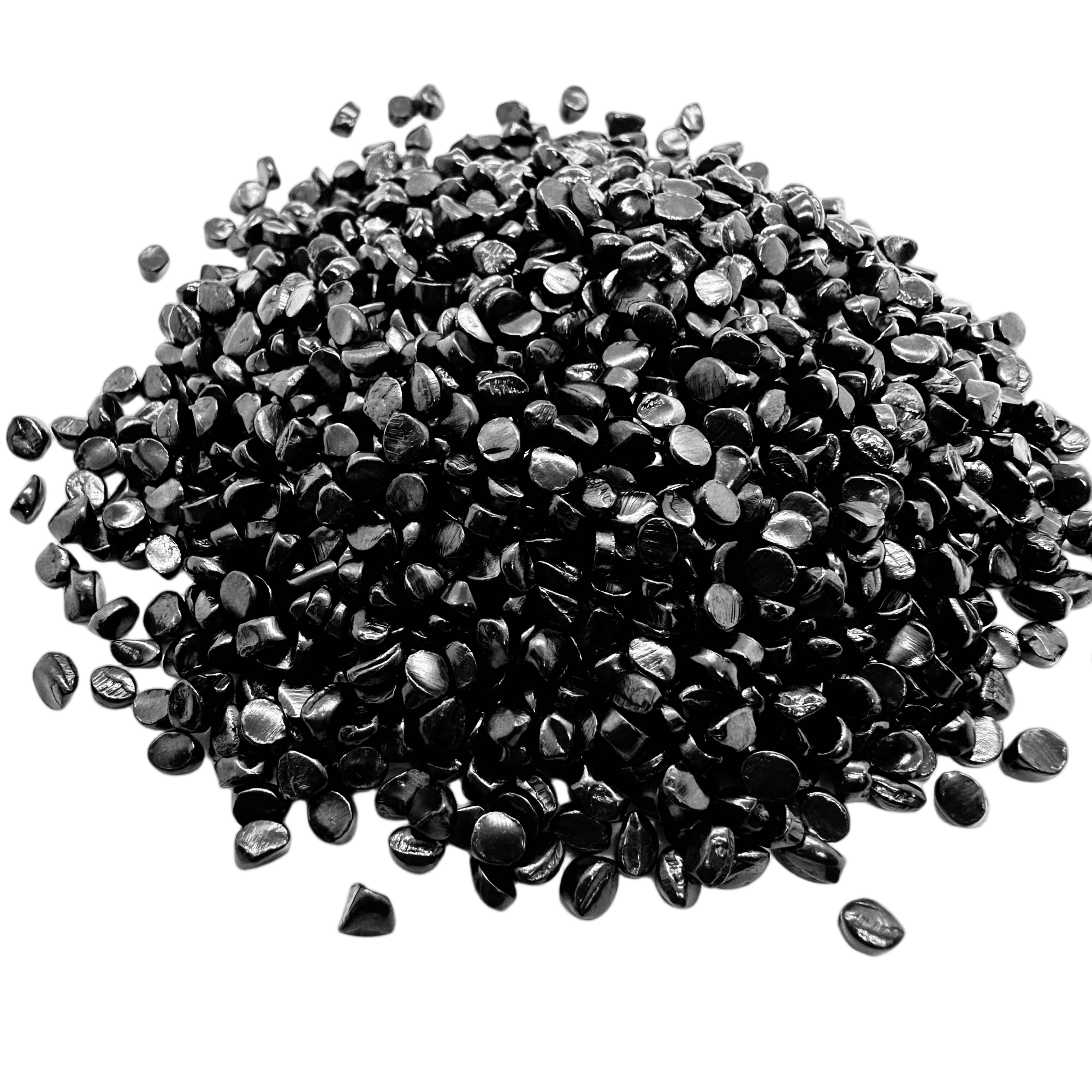
Injection Molding Reinforced Black Masterbatch WM16H (UN2014) -WM16H
Injection Molding Reinforced Black Masterbatch WM16H (UN2014)
Introduction WM16H is produced by pre-dispered carbon black, and then compounded with basic resin. It is widely used in ABS, PC/AS high glossy injection and modifiled compounding applications. Suitable for PP PE PC/ABS GPPS POM GPPS PA+GF materials....
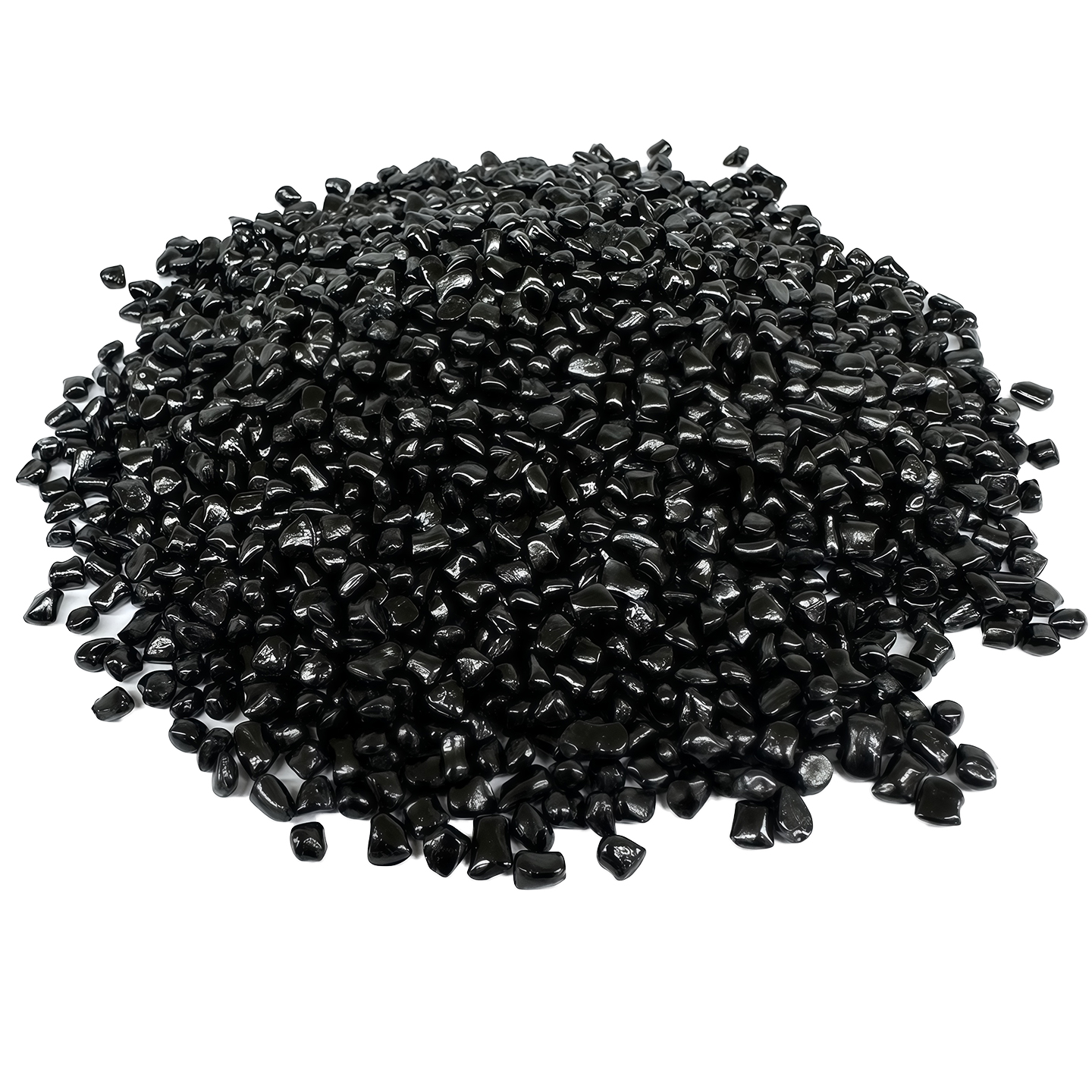
Structure-Enhanced SAN Black Masterbatch WM2A-WM2A
Structure-Enhanced SAN Black Masterbatch WM2A
Introduction WM2A is produced by high-pigment carbon black with AS as carrier and special dispersion agent. Its carbon black is stable and blue-shape grade. Suitable for ABS PC high glossy injection materials, also PPO PPS PA PET etc. thermoplasti...
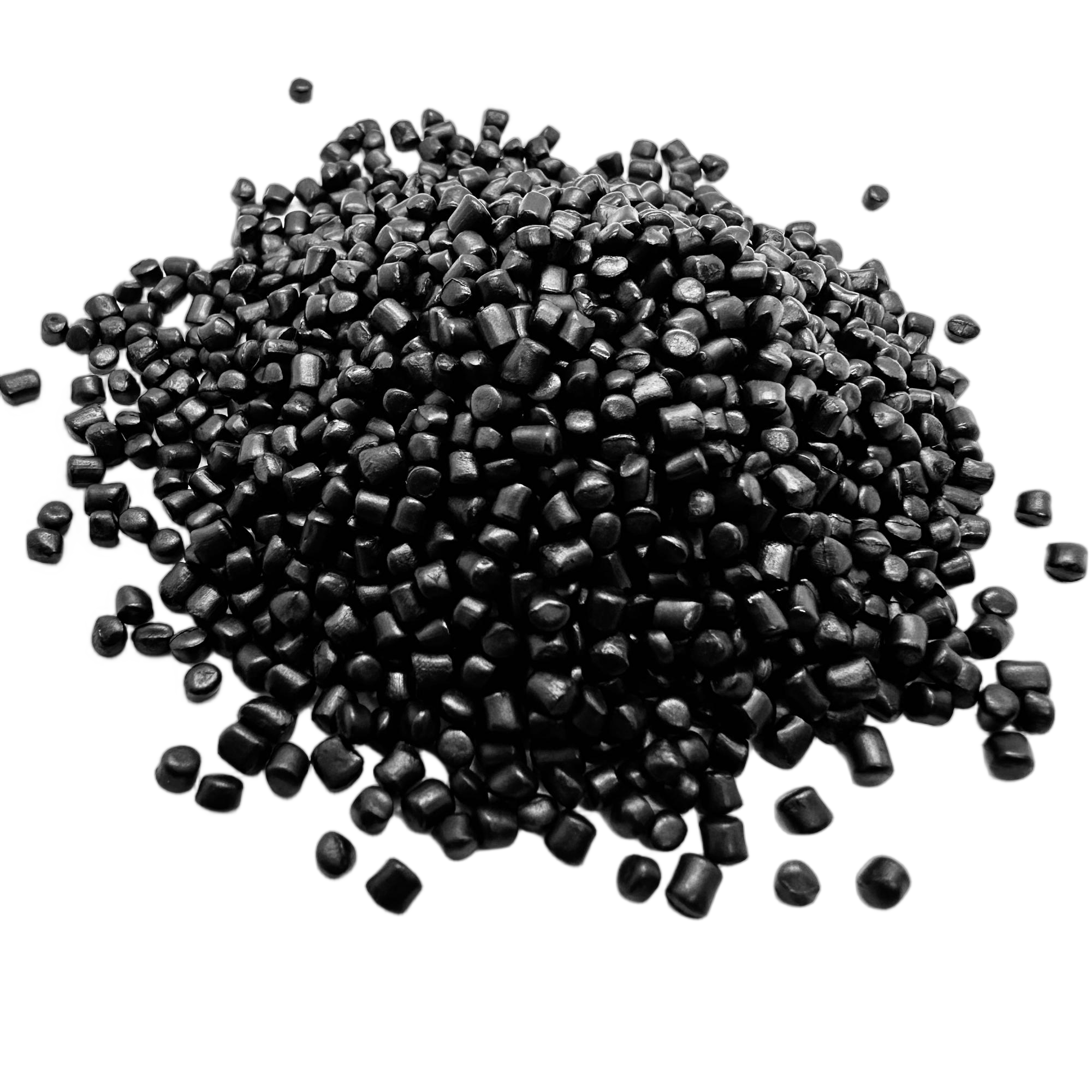
Structure-Enhanced PS Black Masterbatch WM626-WM626
Structure-Enhanced PS Black Masterbatch WM626
Introduction WM626 is produced by unique process in which carbon black is pre-dispersed, then compounded with the basic resin through plastication. It is widely used in extrusion and injection applications. Suitable for HIPS materials. It features lo...
Structure-Enhanced PC Black Masterbatch WM6245-WM6245
Structure-Enhanced PC Black Masterbatch WM6245
Introduction WM6245 is produced by unique process in which carbon black is pre-dispersed, then compounded with the basic resin through plastication. It is widely used in extrusion and high glossy injection applications. Suitable for PC ABS/PC materia...
Universal Environmentally Resistant Black Masterbatch WM72-WM72
Universal Environmentally Resistant Black Masterbatch WM72
Introduction WM72 is produced by unique process in which carbon black is pre-dispersed, then compounded with the basic resin through plastication. It is widely used in film blowing and injection applications. Suitable for PP and PE materials. It fea...
Environmentally Friendly FDA approved & food grade Black Masterbatch WM70E2-WM70E2
Environmentally Friendly FDA approved & food grade Black Masterbatch WM70E2
Introduction WM70E2 is produced by unique process in which carbon black is pre-dispersed, then compounded with the basic resin through plastication. It is widely used in injection (both general and thin wall injection), blow molding and extrusion sh...
Low Volatile & High Concentration Environmentally Friendly Filled Black Masterbatch WM261YF-WM261YF
Low Volatile & High Concentration Environmentally Friendly Filled Black Masterbatch WM261YF
Introduction WM261YF is produced by unique process in which carbon black is pre-dispersed, then compounded with the basic resin through plastication. It is widely used in injection and modified compounding applications. Suitable for PP PE materials....
Environmentally Resistant Black Masterbatch WM3F-WM3F
Environmentally Resistant Black Masterbatch WM3F
Introduction WM3F is produced by unique process in which carbon black is pre-dispersed, then compounded with the basic resin through plastication. It is widely used in water supply pipe,drip irrigation pipe,corrugated pipe and film blowing applicati...
General Low Carbon Black Masterbatch WME1-WME1
General Low Carbon Black Masterbatch WME1
Introduction WME1 is produced by unique process in which carbon black is pre-dispersed, then compounded with the polymer additive through plastication. It is widely used in injection, extrusion pipe and blow film applications. It features low dosage...
Weather-Resistant Black Filler Masterbatch WM307-WM307
Weather-Resistant Black Filler Masterbatch WM307
Introduction WM307 is produced by unique process in which carbon black is pre-dispersed, then compounded with the basic resin through plastication. It is widely used in injection, blow film and compounding applications. Suitable for PP, PE material...
Durable Black Environmentally Friendly Functional Masterbatch WM30-WM30
Durable Black Environmentally Friendly Functional Masterbatch WM30
Introduction WM30 is produced by unique process in which carbon black is pre-dispersed, then compounded with the basic resin through plastication. It is widely used in injection, modified compounding, pipe & sheet applications. Suitable for PP ,PE a...
Get Your Free Sample Now
Submit this form and our sales representative will contact you soon.

Contact Us
Tel: +86 757 8118 6668/+86 139 2320 6383
Sales Hotline: +86 139 2320 6383
Address: No. 55, Yong'an Avenue, Guanyao, Shishan Town, Nanhai District, Foshan City, Guangdong Province, China.
Inquire
Copyright © 2026 Guangdong Jolink Technology Co., Ltd.