
SEARCH WHAT YOU WANT
Low Volatile & High Concentration Environmentally Friendly Filled Black Masterbatch WM261YF
 |
 |
Introduction
WM261YF is produced by unique process in which carbon black is pre-dispersed, then compounded with the basic resin through plastication. It is widely used in injection and modified compounding applications. Suitable for PP PE materials. It features low dosage, high blackness, good brightness, excellent heat resistance, outstanding dispersibility and tinting power, and minimal impact on the physical properties of the final product. Low smell and low VOC.
Where WM261YF goes
Fruit and vegetable turnover boxes
A crate gets stacked, hosed down, dragged across a loading dock, then left in a closed truck for two days.
Odour is what people notice first, because a closed truck or a cold room concentrates whatever the plastic gives off.
Volatiles that stay locked in the pellet never get as far as the produce sitting in the crate.
Crate walls are textured, so the finish on this grade is matte. Matte hides flow lines, gate marks and the scuffs a crate picks up in its first week.
Dose is the part we get asked about most. Crates have to pass a drop test, usually at low temperature, and overloading a filler-bearing grade is the fastest way to lose notched impact.
At 1–2% in a crate wall we are well clear of that.
If you run post-consumer PP regrind, the base is already grey or black and it shifts from lot to lot. Start at 2.5% and climb until the regrind is covered, then hold that figure for the run.
Our recycling and compounding grades work the same way.
Extruded packaging
WM261YF goes into blown and cast film for liners, mailers and heavy-duty sacks, into extruded sheet, and into the compounds that feed those lines.
Most of the faults we hear about in packaging extrusion come back to the colour concentrate.
Die drool is the common one. Volatiles leave the melt at the die lip and build a crust that marks the film, so fewer volatiles means longer runs between die cleans.
Bubbles and silver streaks have the same root. Hold the moisture at 0.1% or below and you are not injecting steam into the melt, so sheet and film come off the line with fewer pinholes.
Carbon black that has not been fully wetted shows up as specks in thin film and drives filter pressure up. Dispersion on this grade sits at Level 3 or better on our reference scale.
We have written up several of those runs in our packaging case studies.
The MFI figure is quoted at 190 °C and 10 kg. Most datasheets use 2.16 kg or 21.6 kg at that temperature, and the two are not interchangeable, so check the condition before you compare one grade with another.
Dose is arithmetic. Masterbatch dose = target carbon black ÷ carbon black in the masterbatch. A 1.2% target in a crate wall works out at 1.2 ÷ 0.40 = 3.0%.
A 2.5% target in film works out at 6.3%. Other 40% grades publish 2–4% for film and sheet, so our injection figure sits at the low end.
Start there and step up in 0.5% increments if the black is not deep enough.
Level 3 on the dispersion line is measured against our in-house reference plaques.
If your buyer names ISO 18553 or a press-filter value, send the method and the limit with your enquiry and we will report against it.
Technical Parameter
| Carbon Content | 40%±1.5 |
| Carrier | PE |
| MFI | 1-10(g/ 10min(190℃ 10kg) |
| Moisture | ≤0.1% |
| Dispersion | Excellent (≤ Level 3) |
| Compliance | RoHS |
| Application | Injection (matt effect) for turnover box, modified compouding (PE/PP) |
| Dosage Advice | Injection: 1.0–2.0% Compouning : 4.0-8.0% |
| OEM | Accpeted |
Getting consistent results on the line
Dry the resin, not the masterbatch. These pellets arrive at 0.1% moisture or below, and a long bake in a hot hopper is more likely to make PE-carrier pellets stick together than to improve anything.
Dry the resin to spec and meter the masterbatch in at the throat.
Under 3% addition, the error from a volumetric feeder is a large share of the dose you are trying to hold.
Put a gravimetric feeder on the masterbatch leg, or blend in a tumbler for three to five minutes before the hopper. Pellets cut to a consistent size feed more evenly than a mix of fines and oversize.
Melt temperature should follow the base resin. This is a PE-carrier grade with a 190 °C melt index, so run 190–230 °C in PE and 210 °C or above in PP.
That way the carrier flows with the PP instead of lagging behind it.
Let filter pressure decide when the screen pack comes out. A climbing differential pressure is the first visible sign of undispersed carbon black, and catching it early saves a whole roll of specked film.
Build the purge into your changeover. Black is a one-way colour. Going from natural to black costs 20 to 30 minutes of purge compound, and going back costs more,
so fix the routine rather than improvising it.
Compliance and documentation
Compliance on WM261YF is RoHS, covering cadmium, lead, mercury, hexavalent chromium, PBB, PBDE and the four restricted phthalates. None of them are intentionally added.
If your buyer needs food-contact documents, this is not the grade to quote, and we will say so rather than let you find out after the container ships.
Crates holding loose produce, and film or trays that touch food, often trigger checks against FDA 21 CFR 178.3297, EU 10/2011 (carbon black, reference 42080) or GB 4806.
Those checks need a food-grade carrier and a PAH-clean carbon black, so we will point you to our food-grade range rather than stretch this one.
Every shipment carries a batch certificate of analysis covering carbon black content, MFI, moisture and dispersion.
If you also need an SDS, a REACH SVHC declaration, a heavy-metal or PAH report, or third-party lab data, raise it at the enquiry stage so we can confirm what we can issue for this grade.
Questions we get asked
How much do I add? Start from the datasheet, 1.0–2.0% for injection and 4.0–8.0% for compounding. If your customer specifies the final carbon black figure rather than the masterbatch percentage, use the sum above.
Will it change the mechanical properties of my part? At 1–2% in injection the effect is small but not zero, and impact is where you notice it first. If your crate carries a low-temperature drop test, run it at the trial dose.
Can I use it with recycled PP or PE? Yes, and plenty of our customers do. Regrind shifts the base colour, so fix the dose for the run and hold it.
Does a PE carrier work in PP? It does. Keep the melt temperature at 210 °C or above so the carrier and the PP flow together.
Is it food-contact approved? Not this grade. Compliance on WM261YF is RoHS. For crates, trays or film that touch food, use our BPA-free and LFGB food-grade range.
Can I get a sample? Yes. Tell us the resin, the process and the black you are aiming for, and we will send a trial quantity with the batch data.
Packing and Storage
25kg/bag, PE or Composite Paper bag
Stored under dry, enclosed and cool conditions, protected from UV rays and/or direct sunlight. After used, the opened packaging must be resealed properly to prevent the product from absorbing moisture, which could affect its performance.
Note
The technical results are typical values and are provided for customer reference only. They are not to be regarded as a guarantee of minimum or maximum quality specifications.
|
Introduction
WM261YF is produced by unique process in which carbon black is pre-dispersed, then compounded with the basic resin through plastication. It is widely used in injection and modified compounding applications. Suitable for PP PE materials. It features low dosage, high blackness, good brightness, excellent heat resistance, outstanding dispersibility and tinting power, and minimal impact on the physical properties of the final product. Low smell and low VOC.
Where WM261YF goes
Fruit and vegetable turnover boxes
A crate gets stacked, hosed down, dragged across a loading dock, then left in a closed truck for two days.
Odour is what people notice first, because a closed truck or a cold room concentrates whatever the plastic gives off.
Volatiles that stay locked in the pellet never get as far as the produce sitting in the crate.
Crate walls are textured, so the finish on this grade is matte. Matte hides flow lines, gate marks and the scuffs a crate picks up in its first week.
Dose is the part we get asked about most. Crates have to pass a drop test, usually at low temperature, and overloading a filler-bearing grade is the fastest way to lose notched impact.
At 1–2% in a crate wall we are well clear of that.
If you run post-consumer PP regrind, the base is already grey or black and it shifts from lot to lot. Start at 2.5% and climb until the regrind is covered, then hold that figure for the run.
Our recycling and compounding grades work the same way.
Extruded packaging
WM261YF goes into blown and cast film for liners, mailers and heavy-duty sacks, into extruded sheet, and into the compounds that feed those lines.
Most of the faults we hear about in packaging extrusion come back to the colour concentrate.
Die drool is the common one. Volatiles leave the melt at the die lip and build a crust that marks the film, so fewer volatiles means longer runs between die cleans.
Bubbles and silver streaks have the same root. Hold the moisture at 0.1% or below and you are not injecting steam into the melt, so sheet and film come off the line with fewer pinholes.
Carbon black that has not been fully wetted shows up as specks in thin film and drives filter pressure up. Dispersion on this grade sits at Level 3 or better on our reference scale.
We have written up several of those runs in our packaging case studies.
The MFI figure is quoted at 190 °C and 10 kg. Most datasheets use 2.16 kg or 21.6 kg at that temperature, and the two are not interchangeable, so check the condition before you compare one grade with another.
Dose is arithmetic. Masterbatch dose = target carbon black ÷ carbon black in the masterbatch. A 1.2% target in a crate wall works out at 1.2 ÷ 0.40 = 3.0%.
A 2.5% target in film works out at 6.3%. Other 40% grades publish 2–4% for film and sheet, so our injection figure sits at the low end.
Start there and step up in 0.5% increments if the black is not deep enough.
Level 3 on the dispersion line is measured against our in-house reference plaques.
If your buyer names ISO 18553 or a press-filter value, send the method and the limit with your enquiry and we will report against it.
Technical Parameter
| Carbon Content | 40%±1.5 |
| Carrier | PE |
| MFI | 1-10(g/ 10min(190℃ 10kg) |
| Moisture | ≤0.1% |
| Dispersion | Excellent (≤ Level 3) |
| Compliance | RoHS |
| Application | Injection (matt effect) for turnover box, modified compouding (PE/PP) |
| Dosage Advice | Injection: 1.0–2.0% Compouning : 4.0-8.0% |
| OEM | Accpeted |
Getting consistent results on the line
Dry the resin, not the masterbatch. These pellets arrive at 0.1% moisture or below, and a long bake in a hot hopper is more likely to make PE-carrier pellets stick together than to improve anything.
Dry the resin to spec and meter the masterbatch in at the throat.
Under 3% addition, the error from a volumetric feeder is a large share of the dose you are trying to hold.
Put a gravimetric feeder on the masterbatch leg, or blend in a tumbler for three to five minutes before the hopper. Pellets cut to a consistent size feed more evenly than a mix of fines and oversize.
Melt temperature should follow the base resin. This is a PE-carrier grade with a 190 °C melt index, so run 190–230 °C in PE and 210 °C or above in PP.
That way the carrier flows with the PP instead of lagging behind it.
Let filter pressure decide when the screen pack comes out. A climbing differential pressure is the first visible sign of undispersed carbon black, and catching it early saves a whole roll of specked film.
Build the purge into your changeover. Black is a one-way colour. Going from natural to black costs 20 to 30 minutes of purge compound, and going back costs more,
so fix the routine rather than improvising it.
Compliance and documentation
Compliance on WM261YF is RoHS, covering cadmium, lead, mercury, hexavalent chromium, PBB, PBDE and the four restricted phthalates. None of them are intentionally added.
If your buyer needs food-contact documents, this is not the grade to quote, and we will say so rather than let you find out after the container ships.
Crates holding loose produce, and film or trays that touch food, often trigger checks against FDA 21 CFR 178.3297, EU 10/2011 (carbon black, reference 42080) or GB 4806.
Those checks need a food-grade carrier and a PAH-clean carbon black, so we will point you to our food-grade range rather than stretch this one.
Every shipment carries a batch certificate of analysis covering carbon black content, MFI, moisture and dispersion.
If you also need an SDS, a REACH SVHC declaration, a heavy-metal or PAH report, or third-party lab data, raise it at the enquiry stage so we can confirm what we can issue for this grade.
Questions we get asked
How much do I add? Start from the datasheet, 1.0–2.0% for injection and 4.0–8.0% for compounding. If your customer specifies the final carbon black figure rather than the masterbatch percentage, use the sum above.
Will it change the mechanical properties of my part? At 1–2% in injection the effect is small but not zero, and impact is where you notice it first. If your crate carries a low-temperature drop test, run it at the trial dose.
Can I use it with recycled PP or PE? Yes, and plenty of our customers do. Regrind shifts the base colour, so fix the dose for the run and hold it.
Does a PE carrier work in PP? It does. Keep the melt temperature at 210 °C or above so the carrier and the PP flow together.
Is it food-contact approved? Not this grade. Compliance on WM261YF is RoHS. For crates, trays or film that touch food, use our BPA-free and LFGB food-grade range.
Can I get a sample? Yes. Tell us the resin, the process and the black you are aiming for, and we will send a trial quantity with the batch data.
Packing and Storage
25kg/bag, PE or Composite Paper bag
Stored under dry, enclosed and cool conditions, protected from UV rays and/or direct sunlight. After used, the opened packaging must be resealed properly to prevent the product from absorbing moisture, which could affect its performance.
Note
The technical results are typical values and are provided for customer reference only. They are not to be regarded as a guarantee of minimum or maximum quality specifications.
Previous: No more data
Next: No more data
Related Products
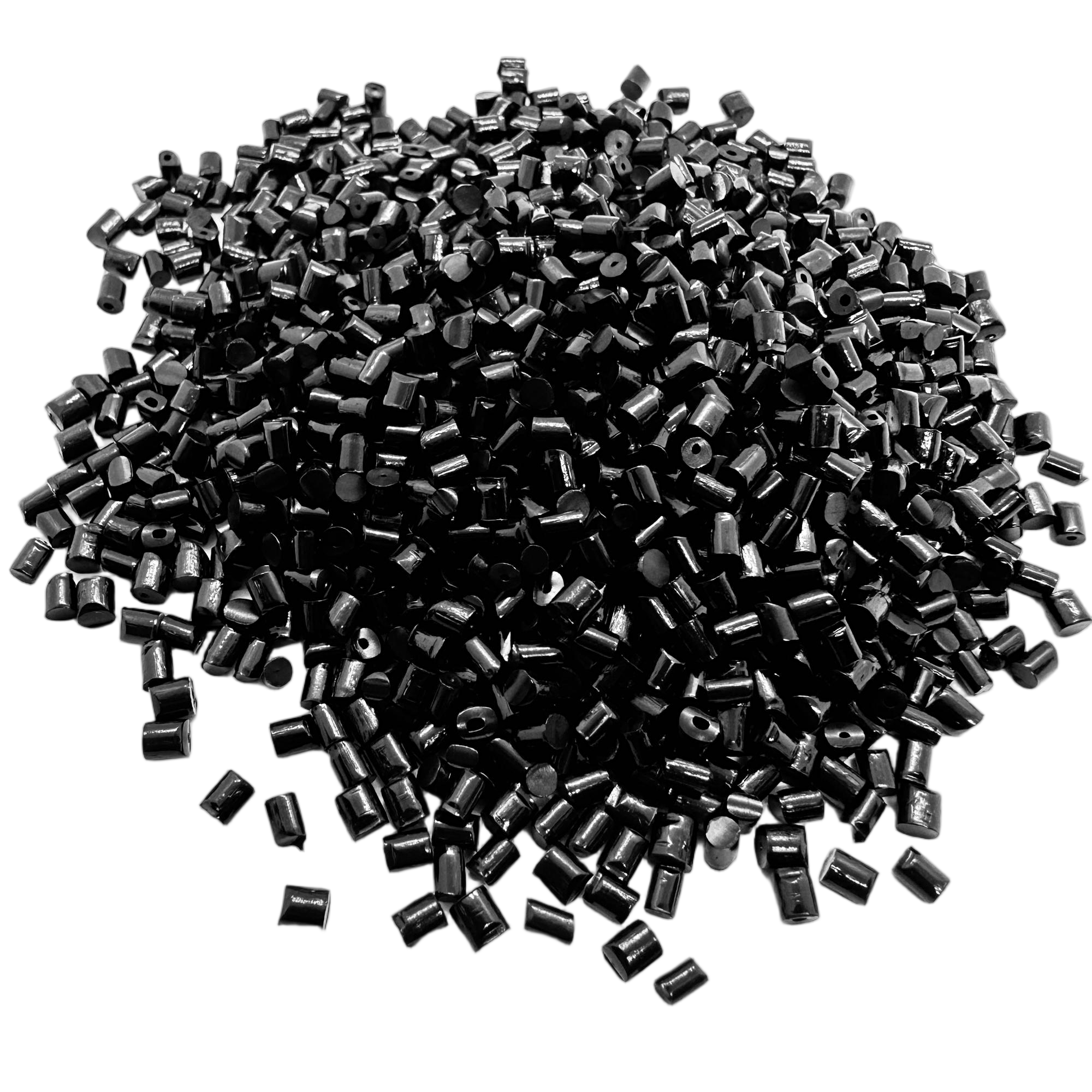
Structure-Enhanced PC Black Masterbatch WM6245-WM6245
Structure-Enhanced PC Black Masterbatch WM6245
Introduction WM6245 is produced by unique process in which carbon black is pre-dispersed, then compounded with the basic resin through plastication. It is widely used in extrusion and high glossy injection applications. Suitable for PC ABS/PC materia...
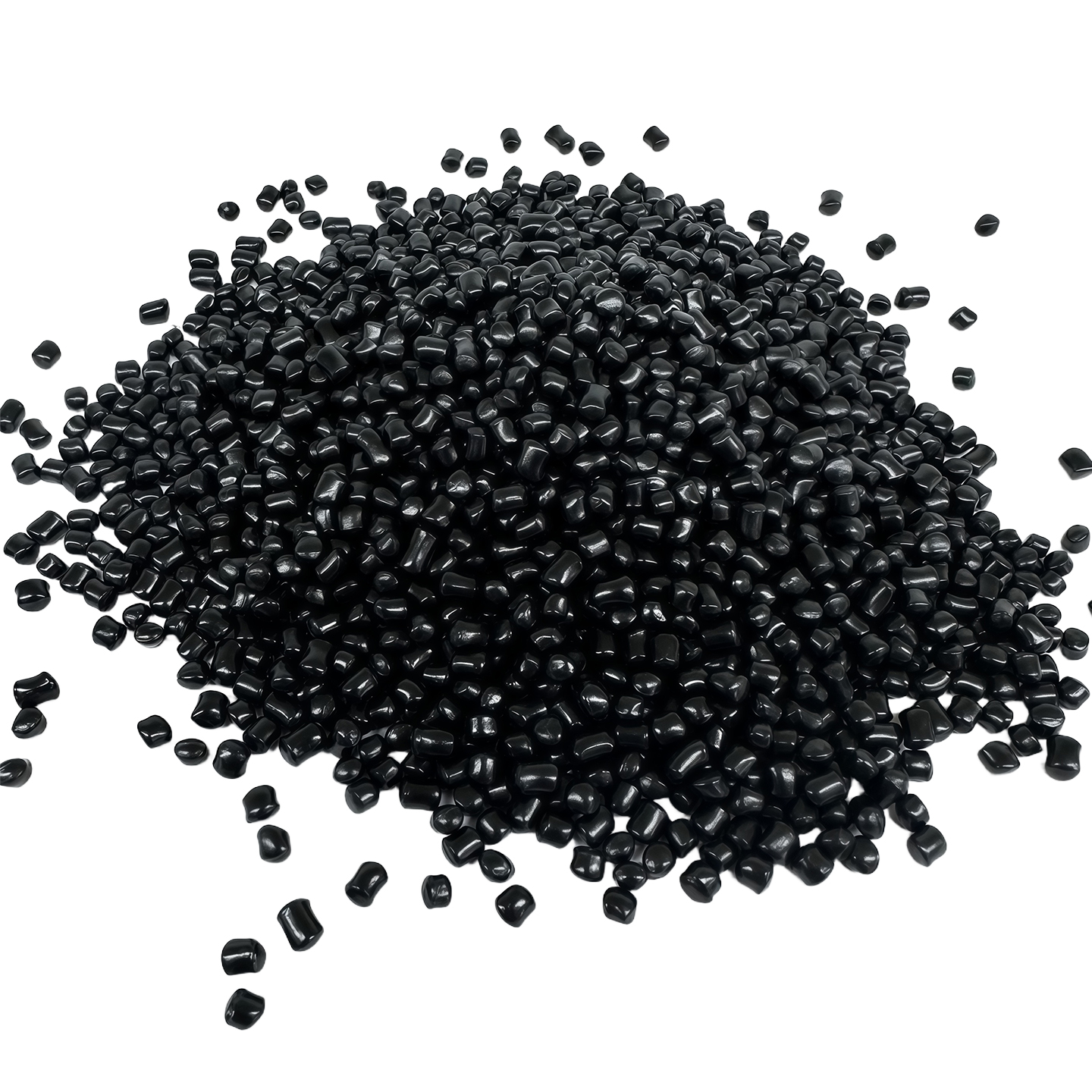
Universal Environmentally Resistant Black Masterbatch WM72-WM72
Universal Environmentally Resistant Black Masterbatch WM72
Introduction WM72 is produced by unique process in which carbon black is pre-dispersed, then compounded with the basic resin through plastication. It is widely used in film blowing and injection applications. Suitable for PP and PE materials. It fea...
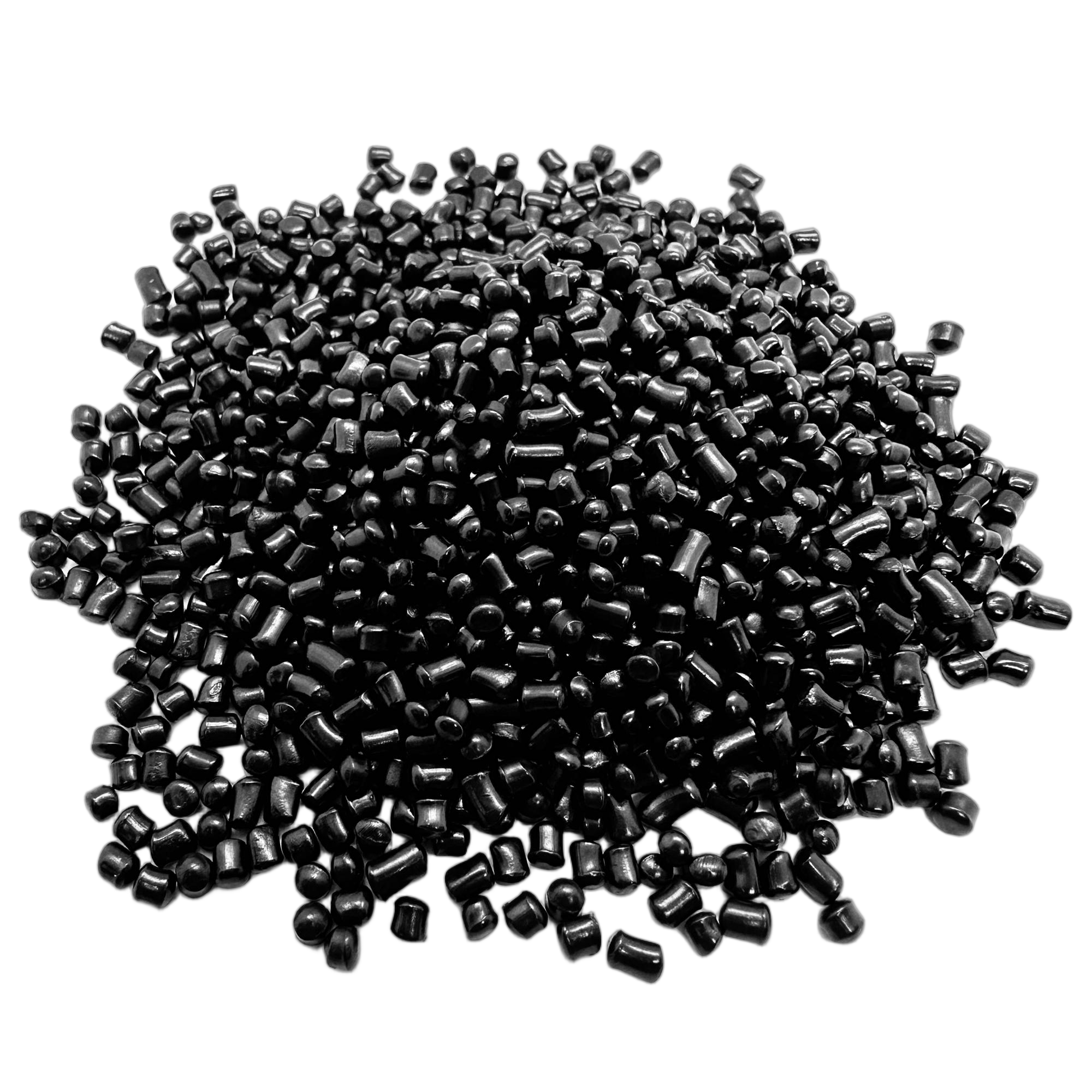
Environmentally Friendly FDA approved & food grade Black Masterbatch WM70E2-WM70E2
Environmentally Friendly FDA approved & food grade Black Masterbatch WM70E2
Introduction WM70E2 is produced by unique process in which carbon black is pre-dispersed, then compounded with the basic resin through plastication. It is widely used in injection (both general and thin wall injection), blow molding and extrusion sh...
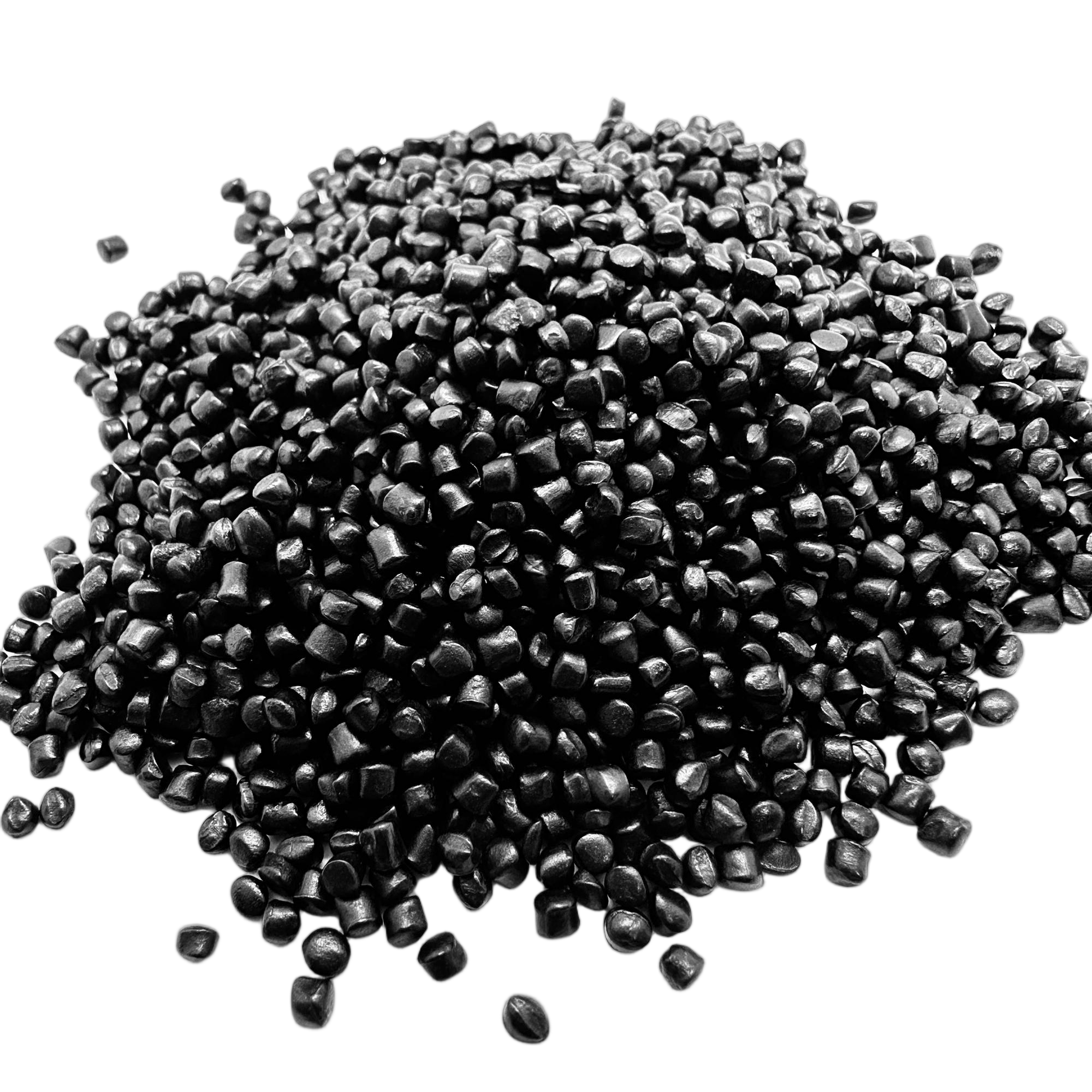
Low Volatile & High Concentration Environmentally Friendly Filled Black Masterbatch WM261YF-WM261YF
Low Volatile & High Concentration Environmentally Friendly Filled Black Masterbatch WM261YF
Introduction WM261YF is produced by unique process in which carbon black is pre-dispersed, then compounded with the basic resin through plastication. It is widely used in injection and modified compounding applications. Suitable for PP PE materials....
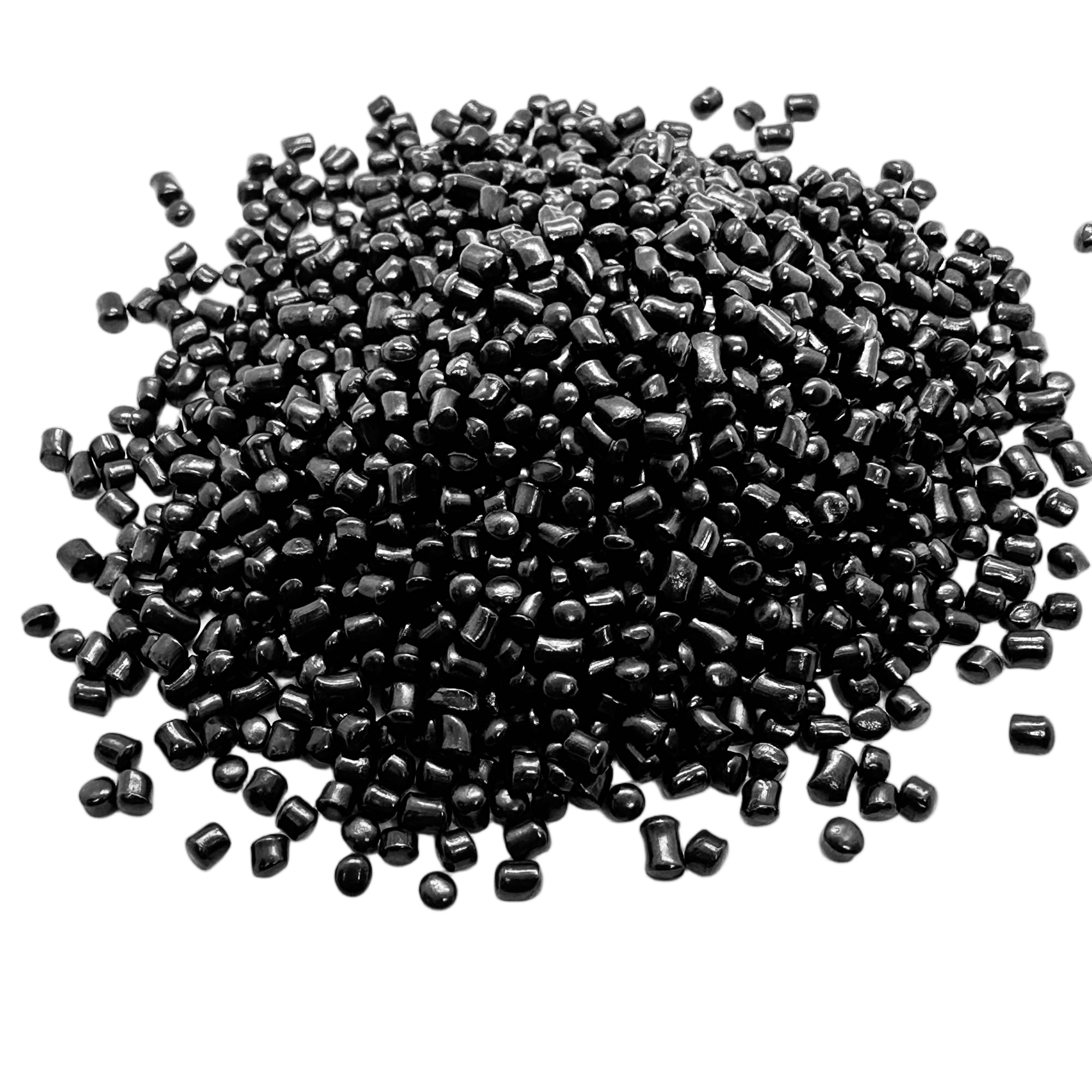
Environmentally Resistant Black Masterbatch WM3F-WM3F
Environmentally Resistant Black Masterbatch WM3F
Introduction WM3F is produced by unique process in which carbon black is pre-dispersed, then compounded with the basic resin through plastication. It is widely used in water supply pipe,drip irrigation pipe,corrugated pipe and film blowing applicati...
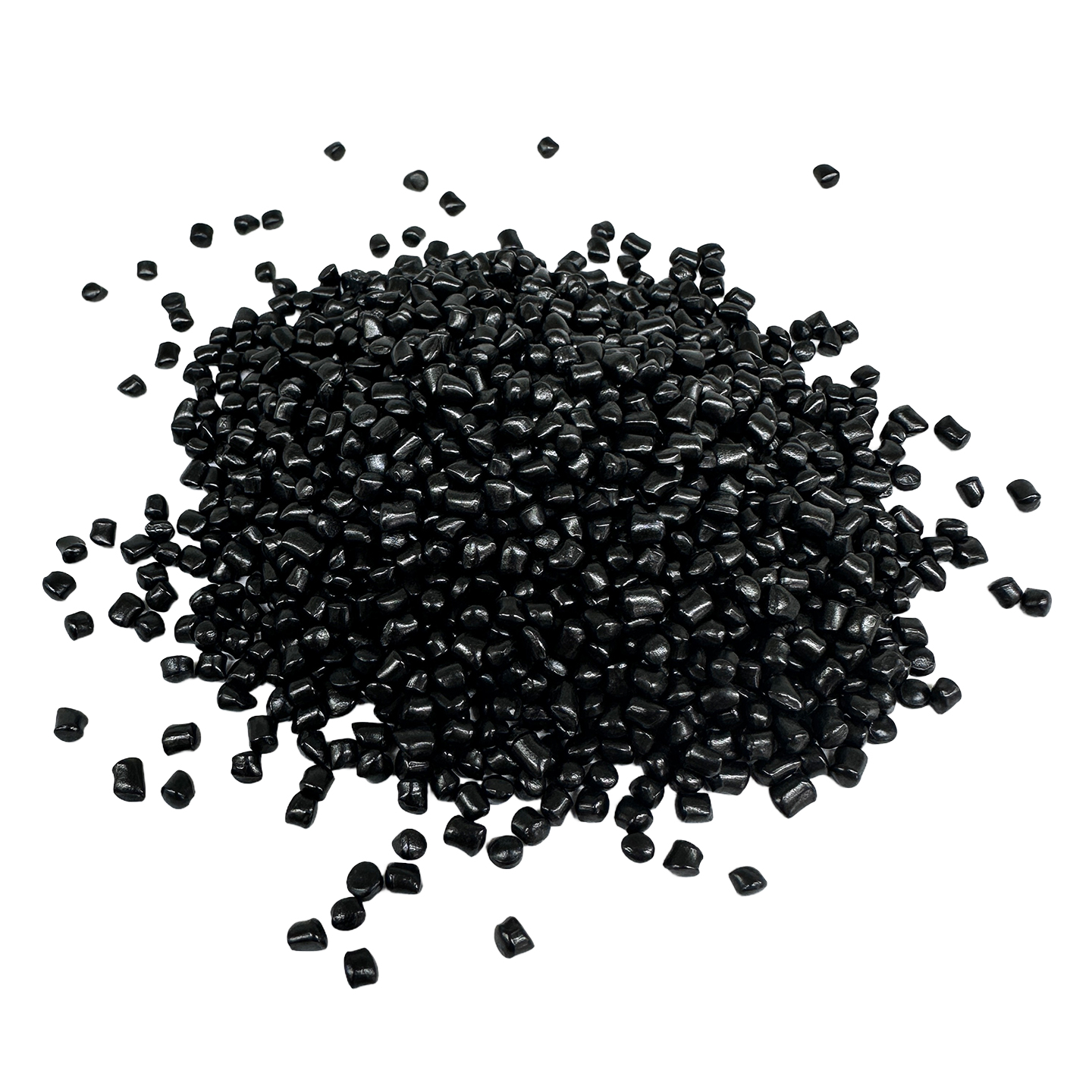
General Low Carbon Black Masterbatch WME1-WME1
General Low Carbon Black Masterbatch WME1
Introduction WME1 is produced by unique process in which carbon black is pre-dispersed, then compounded with the polymer additive through plastication. It is widely used in injection, extrusion pipe and blow film applications. It features low dosage...
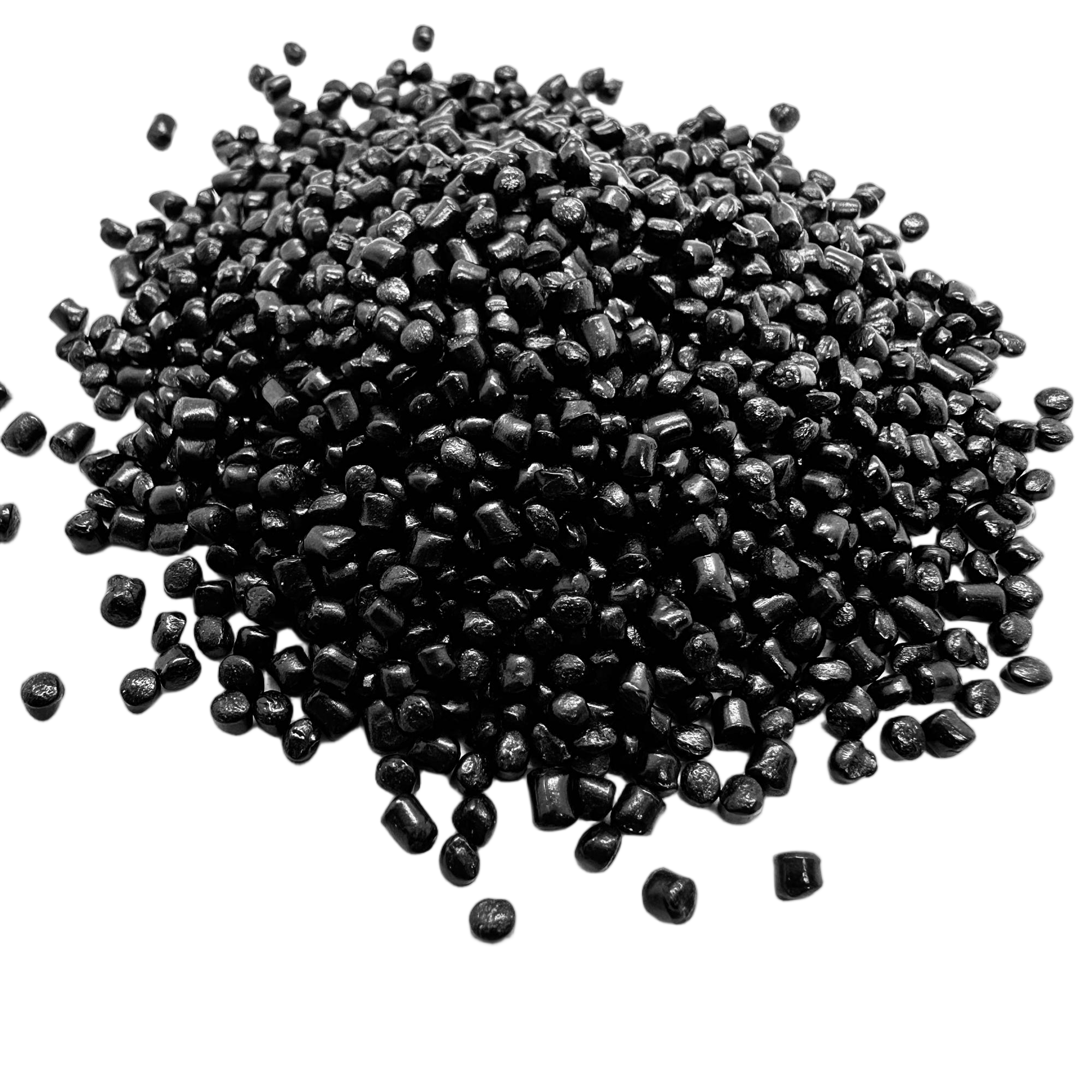
Weather-Resistant Black Filler Masterbatch WM307-WM307
Weather-Resistant Black Filler Masterbatch WM307
Introduction WM307 is produced by unique process in which carbon black is pre-dispersed, then compounded with the basic resin through plastication. It is widely used in injection, blow film and compounding applications. Suitable for PP, PE material...
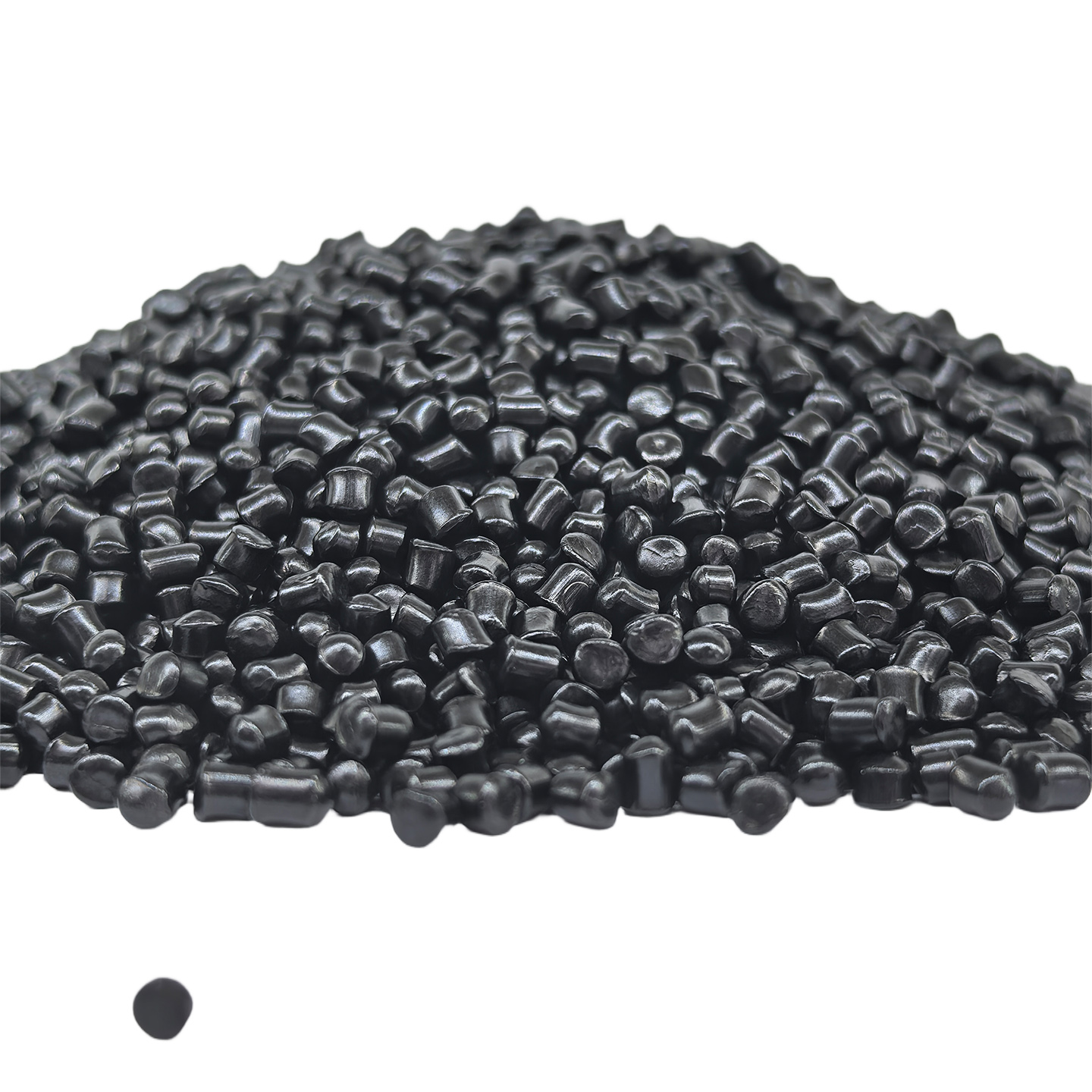
Durable Black Environmentally Friendly Functional Masterbatch WM30-WM30
Durable Black Environmentally Friendly Functional Masterbatch WM30
Introduction WM30 is produced by unique process in which carbon black is pre-dispersed, then compounded with the basic resin through plastication. It is widely used in injection, modified compounding, pipe & sheet applications. Suitable for PP ,PE a...
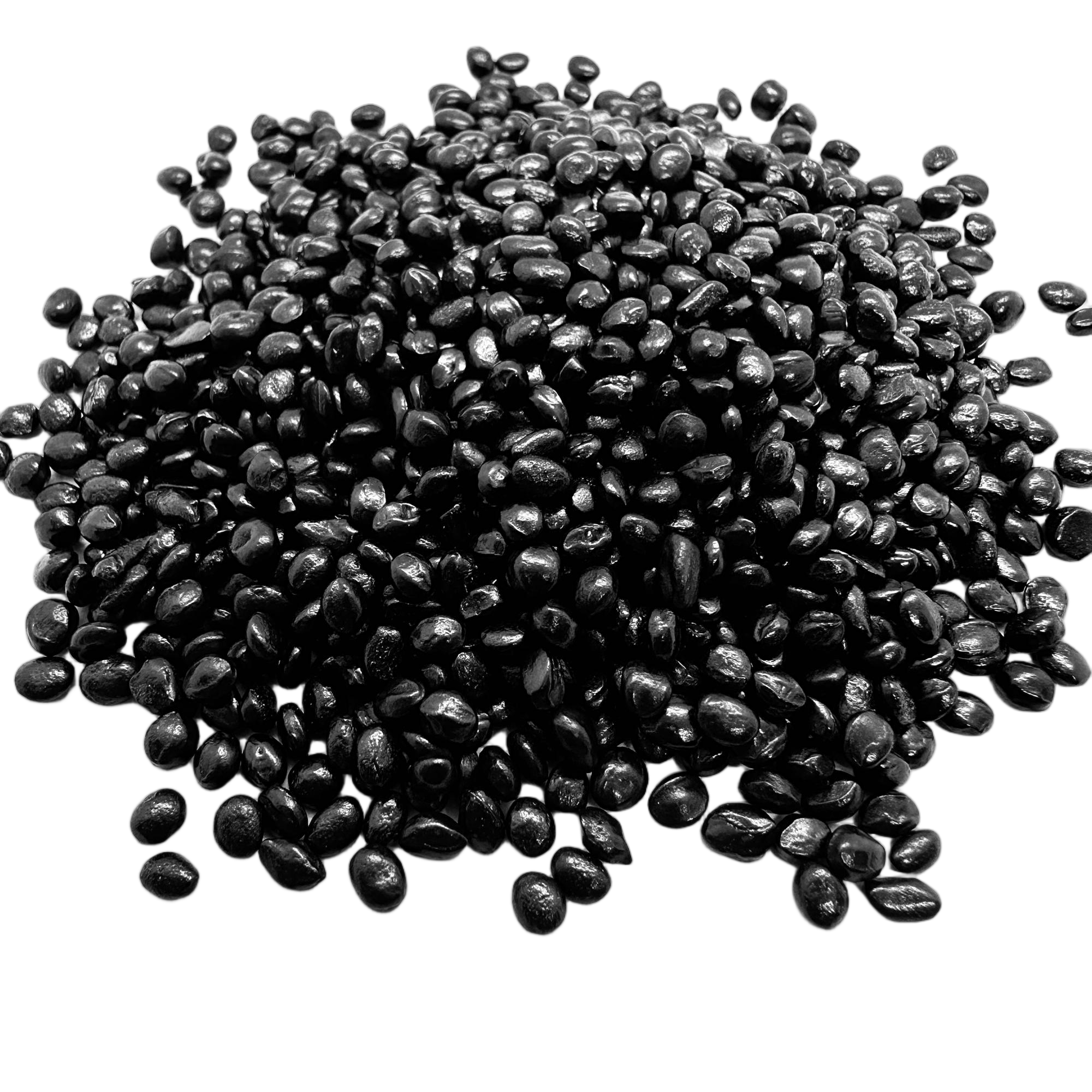
Environmentally Friendly Black Masterbatch WM101-WM101
Environmentally Friendly Black Masterbatch WM101
Introduction WM101 is produced by polymer additive with pre-dispersed carbon black , then compounded with the basic resin through plastication. It is widely used in injection, pipe, blow film applications. It features low dosage, high blackness, goo...
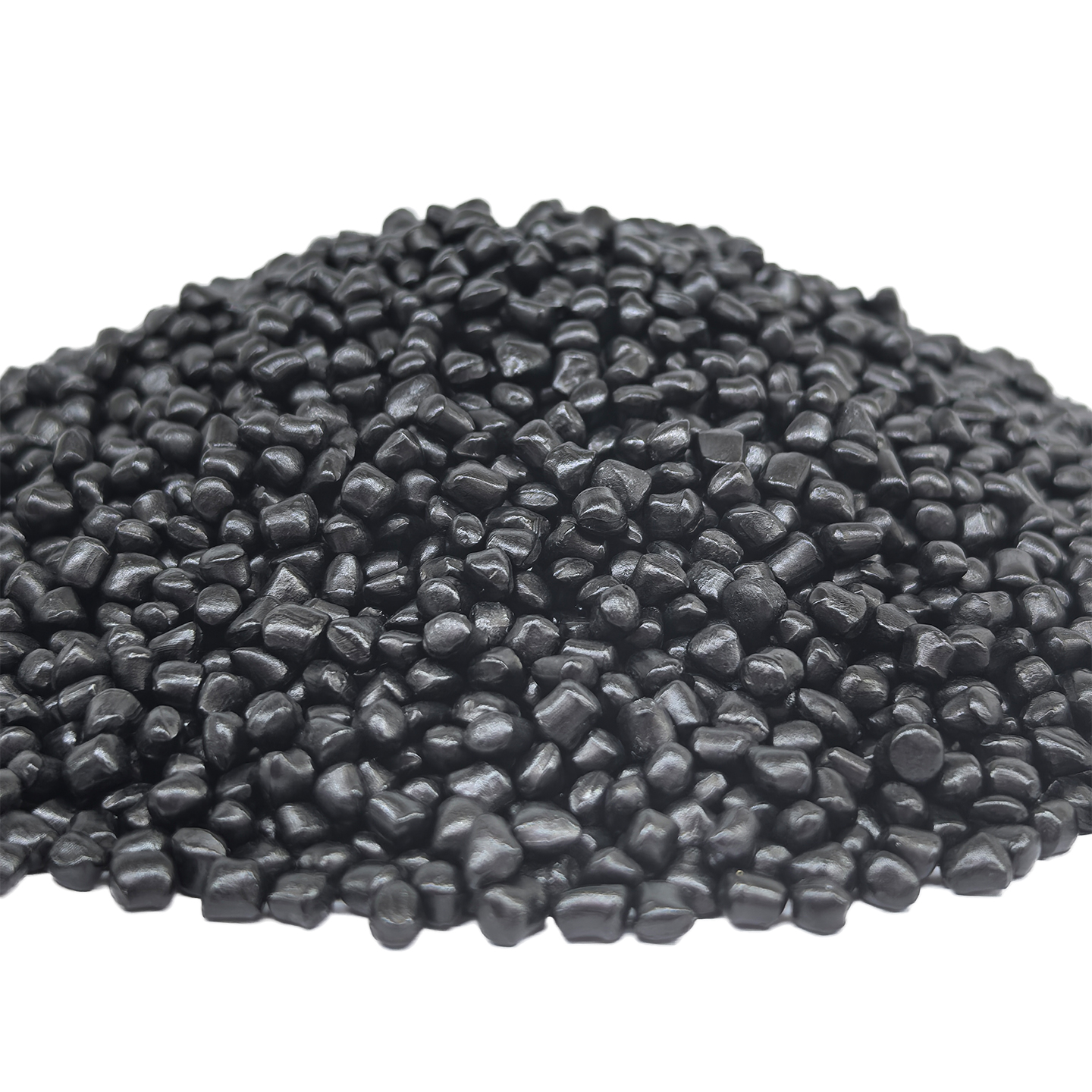
High Concentration Environmentally Friendly Filled Black Masterbatch WM8E-WM8E
High Concentration Environmentally Friendly Filled Black Masterbatch WM8E
Introduction WM8E is produced by unique process in which carbon black is pre-dispersed, then compounded with the basic resin through plastication. It is widely used in film blowing , blowing plastic and injection applications. Suitable for PP and PE...
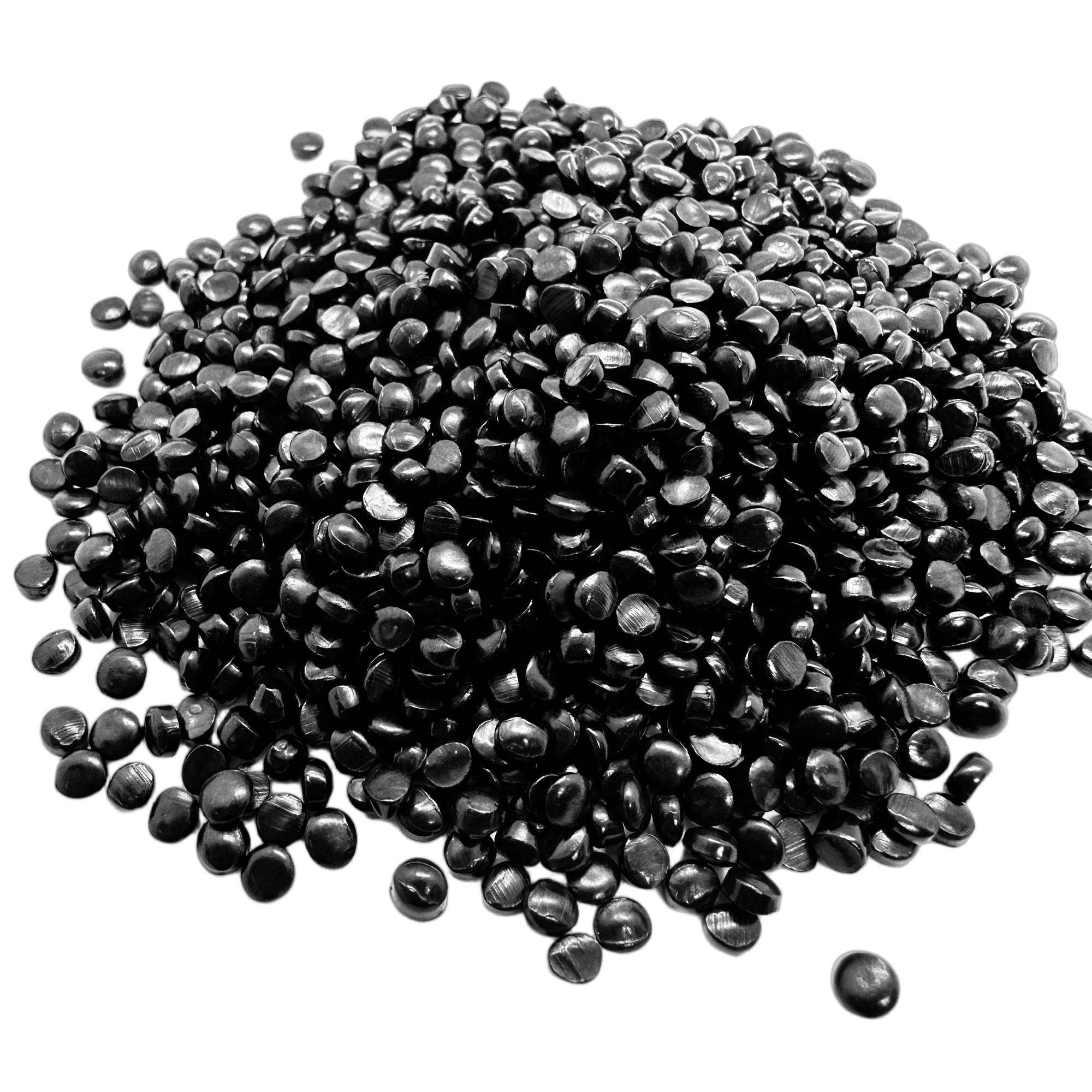
Universal Courier bag Extrusion Black Masterbatch WM2ADM-WM2ADM
Universal Courier bag Extrusion Black Masterbatch WM2ADM
Introduction WM2ADM is produced by unique process in which carbon black is pre-dispersed, then compounded with the basic resin through plastication. It is widely used in film blowing , blowing plastic and fiber applications. Suitable for PP and PE m...
Stable Dispersion & Excellent Hiding Concentrated Mulch Black Masterbatch WMULCH-1-WMULCH-1
Stable Dispersion & Excellent Hiding Concentrated Mulch Black Masterbatch WMULCH-1
Introduction Mulch film is judged in the field, not in the warehouse. By the time a roll reaches the bed former, three things have already decided how the film will behave for the rest of the season: how much carbon black is genuinely in the film, ...
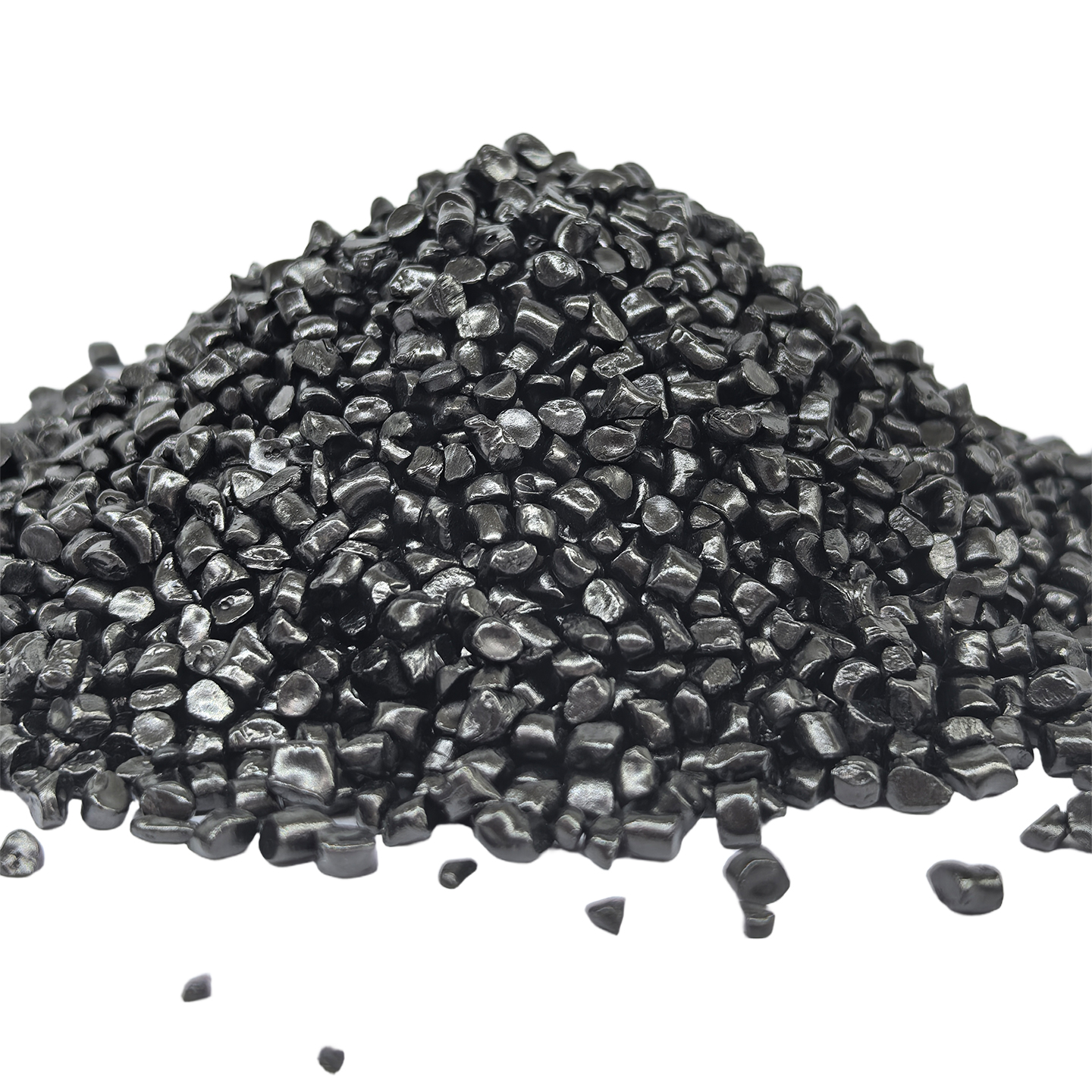
High Concentration Carrier-Free Black Masterbatch WMB34-WMB34
High Concentration Carrier-Free Black Masterbatch WMB34
Introduction WMB34 is produced by unique process in which carbon black is pre-dispersed, then compounded with the basic resin through plastication. It is widely used in injection and modified compounding applications. Suitable for PP PE ABS PA+GF...
Strong And High Pigment Black Masterbatch WM913-WM913
Strong And High Pigment Black Masterbatch WM913
Introduction WM913 is produced by pre-dispersed carbon black with polymer additive, then compounded through plastication. It is widely used in modified compounding applications. Suitable for PP PE ABS PPR ABS HIPS materials. It features low dosage...
BPA Free & Low Volatile Environmentally Friendly Interior Black Masterbatch WMEG11-WMEG11
BPA Free & Low Volatile Environmentally Friendly Interior Black Masterbatch WMEG11
Introduction WMEG11 is produced by unique process in which carbon black is pre-dispersed, then compounded with the basic resin through plastication. It is widely used in modified compounding and injection applications. Suitable for PP and PE materi...
BPA Free & LFGB Approved food grade Black Masterbatch WMB56-WMB56
BPA Free & LFGB Approved food grade Black Masterbatch WMB56
Introduction WMB56, a low-odour black masterbatch for ABS, AS and PC appliance housings WMB56 is produced by unique process in which carbon black is pre-dispersed, then compounded with the basic resin through plastication. It is widely used in inje...
Strong And High Pigment PP Black Masterbatch WM785D-WM785D
Strong And High Pigment PP Black Masterbatch WM785D
Introduction WM785D is produced by unique process in which carbon black is pre-dispersed, then compounded with the basic resin through plastication. It is widely used in modified compounding and injection applications. Suitable for PP and PE materia...
Injection Molding Reinforced Black Masterbatch WM16H (UN2014) -WM16H
Injection Molding Reinforced Black Masterbatch WM16H (UN2014)
Introduction WM16H is produced by pre-dispered carbon black, and then compounded with basic resin. It is widely used in ABS, PC/AS high glossy injection and modifiled compounding applications. Suitable for PP PE PC/ABS GPPS POM GPPS PA+GF materials....
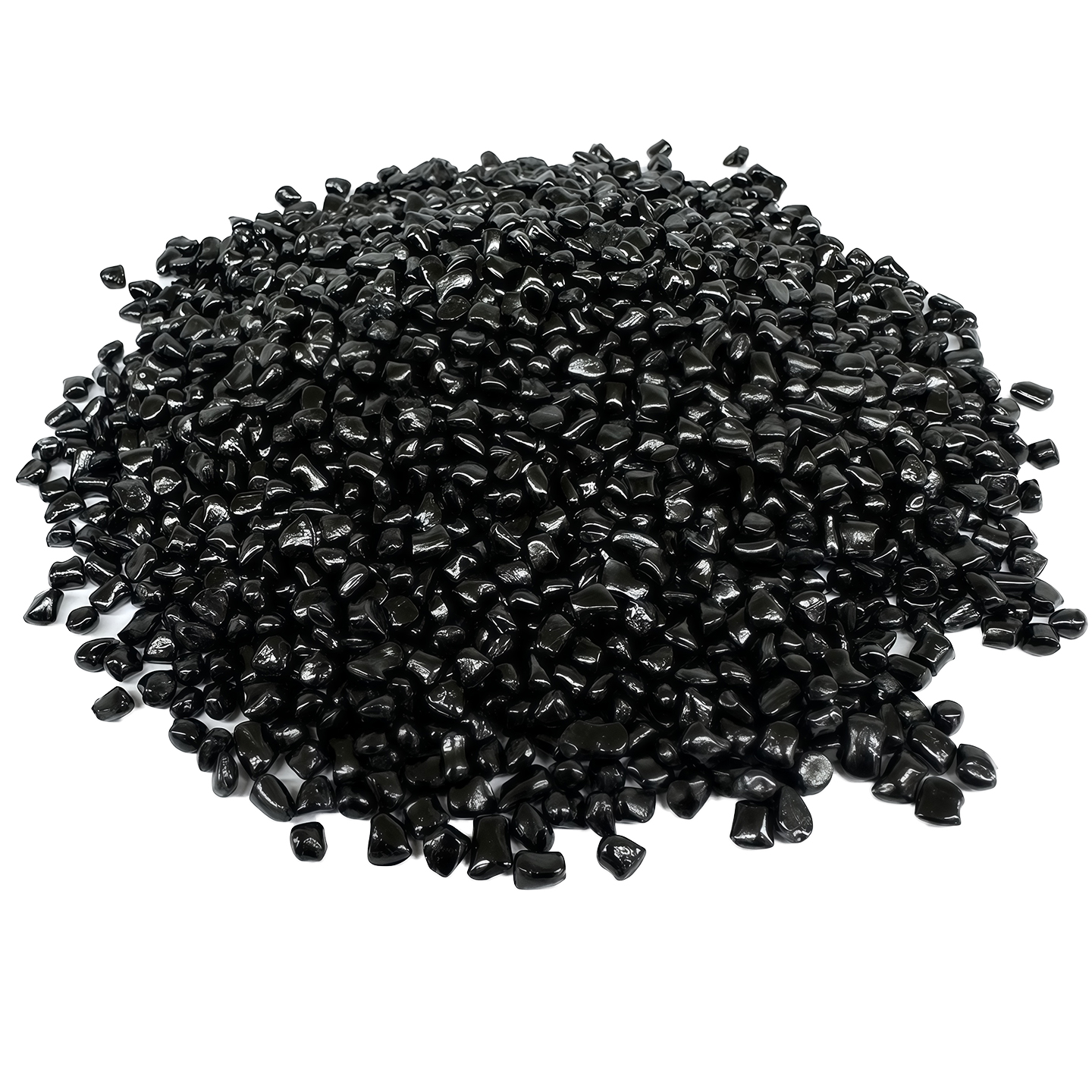
Structure-Enhanced SAN Black Masterbatch WM2A-WM2A
Structure-Enhanced SAN Black Masterbatch WM2A
Introduction WM2A is produced by high-pigment carbon black with AS as carrier and special dispersion agent. Its carbon black is stable and blue-shape grade. Suitable for ABS PC high glossy injection materials, also PPO PPS PA PET etc. thermoplasti...
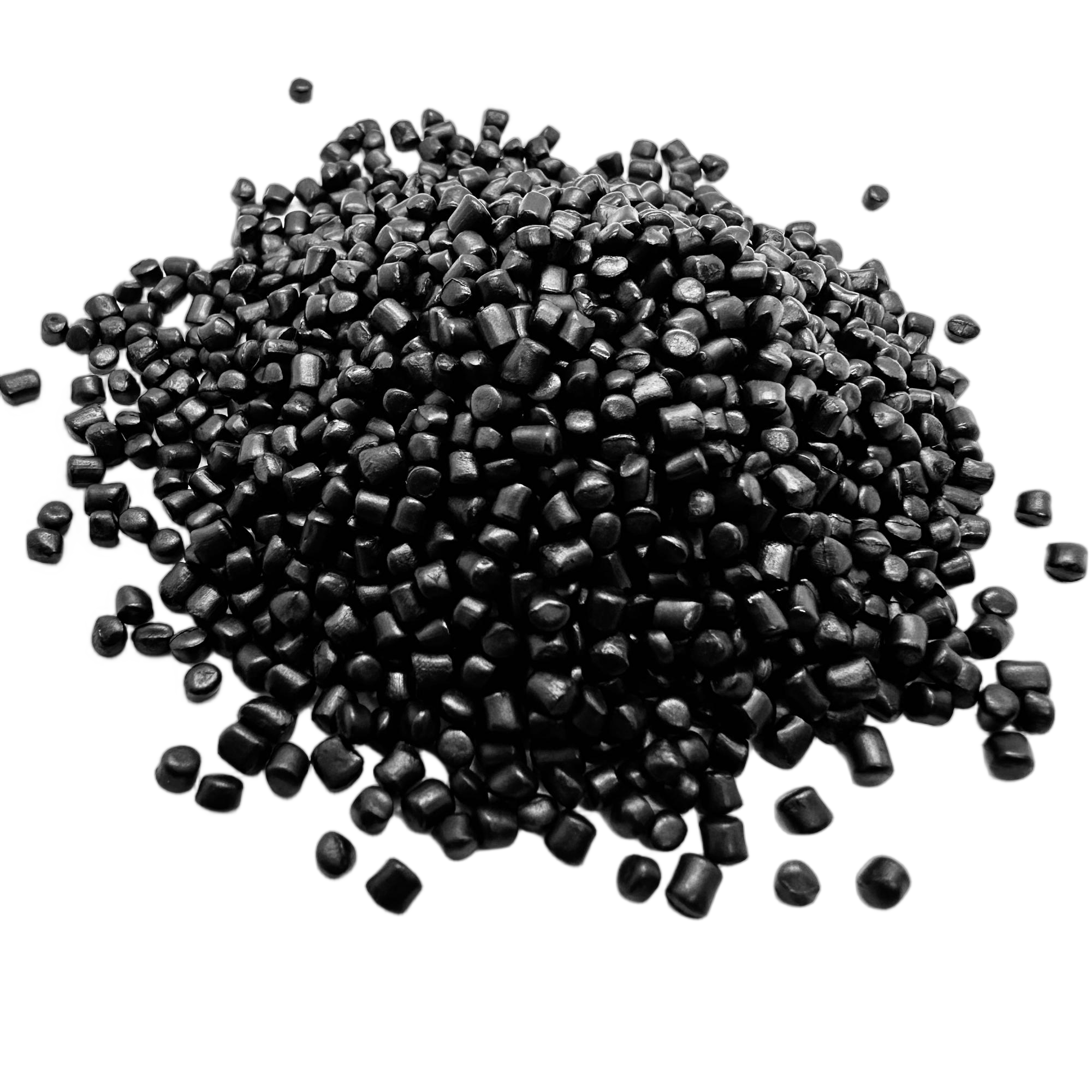
Structure-Enhanced PS Black Masterbatch WM626-WM626
Structure-Enhanced PS Black Masterbatch WM626
Introduction WM626 is produced by unique process in which carbon black is pre-dispersed, then compounded with the basic resin through plastication. It is widely used in extrusion and injection applications. Suitable for HIPS materials. It features lo...
Structure-Enhanced PC Black Masterbatch WM6245-WM6245
Structure-Enhanced PC Black Masterbatch WM6245
Introduction WM6245 is produced by unique process in which carbon black is pre-dispersed, then compounded with the basic resin through plastication. It is widely used in extrusion and high glossy injection applications. Suitable for PC ABS/PC materia...
Universal Environmentally Resistant Black Masterbatch WM72-WM72
Universal Environmentally Resistant Black Masterbatch WM72
Introduction WM72 is produced by unique process in which carbon black is pre-dispersed, then compounded with the basic resin through plastication. It is widely used in film blowing and injection applications. Suitable for PP and PE materials. It fea...
Environmentally Friendly FDA approved & food grade Black Masterbatch WM70E2-WM70E2
Environmentally Friendly FDA approved & food grade Black Masterbatch WM70E2
Introduction WM70E2 is produced by unique process in which carbon black is pre-dispersed, then compounded with the basic resin through plastication. It is widely used in injection (both general and thin wall injection), blow molding and extrusion sh...
Low Volatile & High Concentration Environmentally Friendly Filled Black Masterbatch WM261YF-WM261YF
Low Volatile & High Concentration Environmentally Friendly Filled Black Masterbatch WM261YF
Introduction WM261YF is produced by unique process in which carbon black is pre-dispersed, then compounded with the basic resin through plastication. It is widely used in injection and modified compounding applications. Suitable for PP PE materials....
Environmentally Resistant Black Masterbatch WM3F-WM3F
Environmentally Resistant Black Masterbatch WM3F
Introduction WM3F is produced by unique process in which carbon black is pre-dispersed, then compounded with the basic resin through plastication. It is widely used in water supply pipe,drip irrigation pipe,corrugated pipe and film blowing applicati...
General Low Carbon Black Masterbatch WME1-WME1
General Low Carbon Black Masterbatch WME1
Introduction WME1 is produced by unique process in which carbon black is pre-dispersed, then compounded with the polymer additive through plastication. It is widely used in injection, extrusion pipe and blow film applications. It features low dosage...
Weather-Resistant Black Filler Masterbatch WM307-WM307
Weather-Resistant Black Filler Masterbatch WM307
Introduction WM307 is produced by unique process in which carbon black is pre-dispersed, then compounded with the basic resin through plastication. It is widely used in injection, blow film and compounding applications. Suitable for PP, PE material...
Durable Black Environmentally Friendly Functional Masterbatch WM30-WM30
Durable Black Environmentally Friendly Functional Masterbatch WM30
Introduction WM30 is produced by unique process in which carbon black is pre-dispersed, then compounded with the basic resin through plastication. It is widely used in injection, modified compounding, pipe & sheet applications. Suitable for PP ,PE a...
Get Your Free Sample Now
Submit this form and our sales representative will contact you soon.

Contact Us
Tel: +86 757 8118 6668/+86 139 2320 6383
Sales Hotline: +86 139 2320 6383
Address: No. 55, Yong'an Avenue, Guanyao, Shishan Town, Nanhai District, Foshan City, Guangdong Province, China.
Inquire
Copyright © 2026 Guangdong Jolink Technology Co., Ltd.