
SEARCH WHAT YOU WANT
Durable Black Environmentally Friendly Functional Masterbatch WM30
 |
 |
Introduction
WM30 is produced by unique process in which carbon black is pre-dispersed, then compounded with the basic resin through plastication. It is widely used in injection, modified compounding, pipe & sheet applications. Suitable for PP ,PE and ABS materials. It features low dosage, high blackness, good brightness, excellent heat resistance, outstanding dispersibility and tinting power, and minimal impact on the physical properties of the final product.
Where WM30 goes
Market bags and retail carrier bags
T-shirt bags, vest bags and flat carriers, on HDPE or an HDPE/LLDPE blend at 10–25 micron.
When these orders come back, it is almost never about colour depth. It is a run that starts black and drifts grey by the end of the shift,
or one undispersed speck sitting exactly where the customer's hand goes. Holding colour level for a full shift is most of the job here.
Garbage bags and waste liners
Household liners at 15–30 micron, plus the heavier commercial bin liners. You are buying light-block and not much else, and the resin is usually recycled.
That is fine. Black takes whatever shade the baler delivered. Just remember that letdown is set by your strength spec as much as by opacity.
Tear and puncture still have to hold at the gauge you sell.
Injection moulded and extruded parts
Tubs, buckets, basins, caps, pipe fittings, conduit, garden furniture, tool handles, and the rest of the non-structural mouldings.
Pipe and sheet extrusion runs the same pellet at 1.0–4.0%. For pipe that stays outdoors, step up into the higher-carbon grades in the extruded pipe range.
If you are buying for film rather than moulding, the blown film range sits alongside WM30, and the bag side of the catalogue is grouped under garbage bag and shopping bag masterbatch.
Technical Parameter
| Carbon Content | 32%±1.5 |
| Carrier | PE |
| MFI | 1-10 (g/ 10min(190℃ 10kg) |
| Moisture | ≤0.3% |
| Dispersion | Excellent (≤ Level 2.5) |
| Compliance | RoHS |
| Application | Injection (PE/PP/ABS), Pipe & Sheet , Modified Compounding |
| Dosage Advice | Injection: 0.8-2.0% Film blowing: 4.0–8.0% Extrusion: 1.0–4.0% |
| OEM | Accepted |
Why it holds up
Dispersion and the reject rate
Carbon black leaves the furnace in clusters, and any cluster that survives the screw turns up on the film as a speck or a gel.
That is where your reject rate comes from, not from the loading figure on the bag. We pre-disperse before compounding, so the clusters come apart at the pellet stage instead of on your bubble.
On our internal scale WM30 sits at ≤ Level 2.5, against Level 3 for most film grades we sell.
Pellet geometry and dosing
Pellet length is set by arithmetic. Haul-off speed, divided by cutter speed, multiplied by blade count. If the two drives drift apart, one bag holds long pellets, short pellets and fines side by side.
So we lock the speed ratio, hold the die orifice to ±0.02 mm, keep melt pressure inside ±0.3 MPa and melt temperature inside ±3 °C for the length of the run,
then screen the output over two decks to take over-length pellets off the top and fines off the bottom.
On your line that shows up as a dosing problem. Mixed pellet sizes feed unevenly and bridge in the hopper, and a gravimetric feeder only holds letdown steady if the pellets going in look alike.
At 1% letdown a small feed error is a large colour error. There is a fuller account of the process here.
Moisture at 0.3% or below
Water in a pellet flashes to steam at the die. Steam leaves pinholes, silver streaks, and a bubble that will not hold at speed. WM30 ships at ≤0.3% moisture,
which is dry enough to run from the bag on most lines. The water you still have to think about is in the resin. Undried LDPE, or a filled PCR stream,
carries far more of it per tonne than the masterbatch does.
Cost per tonne
Masterbatch is bought by the kilogram and consumed by the tonne, so the comparison that matters is kilograms fed per tonne of output.
Divide the carbon black your film needs by the loading on the bag.
A 5% letdown of 32% material puts 1.6% carbon black in the film. To hit the same 1.6% with a 20% grade you feed 8%, which is 80 kg against 50 kg per tonne of resin.
The lower-loading bag always costs less to buy. Whether the order costs less depends on the price gap. Send us both quotations and we will work it through on your numbers.
Letdown, and the carbon black it delivers
|
Process |
WM30 letdown |
Carbon black in the finished part |
|
Injection, PE / PP |
0.8–2.0% |
0.26–0.64% |
|
Blown film |
4.0–8.0% |
1.28–2.56% |
|
Pipe and sheet extrusion |
1.0–4.0% |
0.32–1.28% |
Carbon black delivered = letdown × 32%. Your opacity or colour target sets the letdown, so start at the bottom of the range and step up in 0.5% increments.
Getting consistent results on the line
1. Dry the resin. WM30 arrives at ≤0.3% moisture, so the bag is rarely what breaks your bubble. Your base resin usually is, especially filled or recycled material.
2. Meter by weight. A gravimetric blender holds letdown within a fraction of a percent. Volumetric dosing drifts as bulk density changes from batch to batch. If your feeder runs on volume, weigh the first hour of output and check it against the set point.
3. Step the letdown. Move in 0.5% increments from the bottom of the range. At 1% letdown a 0.3% error is a 30% colour difference, which is why we ask you to run the trial on your own machine, against your own light source, before you fix the recipe.
4. Change screens when pressure climbs. In steady running, screen pressure climbs slowly and predictably. A faster climb means agglomerates in the melt or moisture in the feed. Deal with either one before you reach for more masterbatch.
5. Purge deliberately. Black is a one-way colour. It does not leave the barrel after a few kilos of natural resin. Agree a purge quantity and procedure for every colour change and write it down, or the next light run will carry black streaks for hours.
6. Watch shear on injection. Back pressure and screw speed together decide how much work the melt receives. Thin-wall parts need the top of the letdown range, because the flow path is long and the part freezes before colour can even out.
One more thing that catches people out. A PE carrier in a PP barrel needs a melt temperature above 210 °C. PP and PE do not share a viscosity curve, so if you copy your profile straight across, the carrier disperses badly and you get streaks. On ABS, ask us for the recommended profile before you run.
Compliance and documentation
WM30 carries RoHS compliance. It is not a food-contact grade.
We have not tested the formulation under FDA 21 CFR or EU 10/2011, and neither the carbon black nor the carrier is certified for direct food contact.
That is the detail that matters for bags holding food on the shelf, bread, produce or loose bakery goods, because several importers test for it at the border.
So if food contact is your market, go to the FDA food-grade black masterbatch range instead.
Where your customer specifies LFGB rather than FDA, look at the BPA-free and LFGB grades.
For direct film and container work we can point you at a specific FDA-approved grade.
Each shipment carries a batch COA listing carbon black content, melt flow index, moisture and dispersion, along with the TDS and SDS.
Company certifications, ISO 9001:2015, ISO 14001 and ISO 45001, with SGS test reports, are listed on the certificate page.
Product-level compliance for WM30 is RoHS, so ask for the current declaration against the batch you will receive.
Frequently asked questions
How much WM30 do I add?
Start at 4% for blown film and 0.8% for injection, then step up in 0.5% increments until the opacity looks right. Multiply the letdown by 32% if you want the carbon black content in the finished part.
Will it cover recycled resin?
Yes, mostly. It is the main reason bag producers buy WM30 at all. Recycled film arrives grey, dull green or beige depending on what went into the baler, and black absorbs all of it.
The more recycled content you run, the further up the letdown range you will need to go.
Can I swap it for the grade I run now?
In most cases, yes. Send us the carbon black content of your current grade, your letdown, your base resin, and the film gauge or part.
We will come back with a starting letdown for WM30 and a trial sample, so you can verify it on your own line before you commit to an order.
Is WM30 approved for food contact?
No. Compliance is RoHS only. For bags or containers that hold food you need a food-grade material with FDA documentation behind it.
Which regulation applies depends on the market you sell into, and we can confirm that against your customer's specification.
Can the pellet be customised?
Yes. Carbon black loading, carrier resin and pellet size are all open to OEM and ODM orders through our customised masterbatch service.
Send over a spec sheet and we will price it.
What comes with the order, and can we trial first?
A batch COA, TDS and SDS with every shipment, plus OEM branding if you want it. Trial samples are free. Give us your resin, your gauge or part, your letdown and your target opacity,
and we will come back with a grade and a dosage.
Packaging and storage
25 kg per bag, PE or composite paper. Store it dry, enclosed and cool, out of UV and direct sunlight, and reseal opened bags so the pellets do not pick up moisture.
The figures on this page are typical values, given for reference rather than as a guarantee of minimum or maximum specification.
Tell us what you run
Send the film gauge or the part, the base resin, and the letdown you use today. We will come back with a starting dosage for WM30 and a trial sample to prove it on your line.
Get in touch, or browse the rest of the black masterbatch range.
Packing and Storage
25kg/bag, PE or Composite Paper bag
Stored under dry, enclosed and cool conditions, protected from UV rays and/or direct sunlight. After used, the opened packaging must be resealed properly to prevent the product from absorbing moisture, which could affect its performance.
Note
The technical results are typical values and are provided for customer reference only. They are not to be regarded as a guarantee of minimum or maximum quality specifications.
|
Introduction
WM30 is produced by unique process in which carbon black is pre-dispersed, then compounded with the basic resin through plastication. It is widely used in injection, modified compounding, pipe & sheet applications. Suitable for PP ,PE and ABS materials. It features low dosage, high blackness, good brightness, excellent heat resistance, outstanding dispersibility and tinting power, and minimal impact on the physical properties of the final product.
Where WM30 goes
Market bags and retail carrier bags
T-shirt bags, vest bags and flat carriers, on HDPE or an HDPE/LLDPE blend at 10–25 micron.
When these orders come back, it is almost never about colour depth. It is a run that starts black and drifts grey by the end of the shift,
or one undispersed speck sitting exactly where the customer's hand goes. Holding colour level for a full shift is most of the job here.
Garbage bags and waste liners
Household liners at 15–30 micron, plus the heavier commercial bin liners. You are buying light-block and not much else, and the resin is usually recycled.
That is fine. Black takes whatever shade the baler delivered. Just remember that letdown is set by your strength spec as much as by opacity.
Tear and puncture still have to hold at the gauge you sell.
Injection moulded and extruded parts
Tubs, buckets, basins, caps, pipe fittings, conduit, garden furniture, tool handles, and the rest of the non-structural mouldings.
Pipe and sheet extrusion runs the same pellet at 1.0–4.0%. For pipe that stays outdoors, step up into the higher-carbon grades in the extruded pipe range.
If you are buying for film rather than moulding, the blown film range sits alongside WM30, and the bag side of the catalogue is grouped under garbage bag and shopping bag masterbatch.
Technical Parameter
| Carbon Content | 32%±1.5 |
| Carrier | PE |
| MFI | 1-10 (g/ 10min(190℃ 10kg) |
| Moisture | ≤0.3% |
| Dispersion | Excellent (≤ Level 2.5) |
| Compliance | RoHS |
| Application | Injection (PE/PP/ABS), Pipe & Sheet , Modified Compounding |
| Dosage Advice | Injection: 0.8-2.0% Film blowing: 4.0–8.0% Extrusion: 1.0–4.0% |
| OEM | Accepted |
Why it holds up
Dispersion and the reject rate
Carbon black leaves the furnace in clusters, and any cluster that survives the screw turns up on the film as a speck or a gel.
That is where your reject rate comes from, not from the loading figure on the bag. We pre-disperse before compounding, so the clusters come apart at the pellet stage instead of on your bubble.
On our internal scale WM30 sits at ≤ Level 2.5, against Level 3 for most film grades we sell.
Pellet geometry and dosing
Pellet length is set by arithmetic. Haul-off speed, divided by cutter speed, multiplied by blade count. If the two drives drift apart, one bag holds long pellets, short pellets and fines side by side.
So we lock the speed ratio, hold the die orifice to ±0.02 mm, keep melt pressure inside ±0.3 MPa and melt temperature inside ±3 °C for the length of the run,
then screen the output over two decks to take over-length pellets off the top and fines off the bottom.
On your line that shows up as a dosing problem. Mixed pellet sizes feed unevenly and bridge in the hopper, and a gravimetric feeder only holds letdown steady if the pellets going in look alike.
At 1% letdown a small feed error is a large colour error. There is a fuller account of the process here.
Moisture at 0.3% or below
Water in a pellet flashes to steam at the die. Steam leaves pinholes, silver streaks, and a bubble that will not hold at speed. WM30 ships at ≤0.3% moisture,
which is dry enough to run from the bag on most lines. The water you still have to think about is in the resin. Undried LDPE, or a filled PCR stream,
carries far more of it per tonne than the masterbatch does.
Cost per tonne
Masterbatch is bought by the kilogram and consumed by the tonne, so the comparison that matters is kilograms fed per tonne of output.
Divide the carbon black your film needs by the loading on the bag.
A 5% letdown of 32% material puts 1.6% carbon black in the film. To hit the same 1.6% with a 20% grade you feed 8%, which is 80 kg against 50 kg per tonne of resin.
The lower-loading bag always costs less to buy. Whether the order costs less depends on the price gap. Send us both quotations and we will work it through on your numbers.
Letdown, and the carbon black it delivers
|
Process |
WM30 letdown |
Carbon black in the finished part |
|
Injection, PE / PP |
0.8–2.0% |
0.26–0.64% |
|
Blown film |
4.0–8.0% |
1.28–2.56% |
|
Pipe and sheet extrusion |
1.0–4.0% |
0.32–1.28% |
Carbon black delivered = letdown × 32%. Your opacity or colour target sets the letdown, so start at the bottom of the range and step up in 0.5% increments.
Getting consistent results on the line
1. Dry the resin. WM30 arrives at ≤0.3% moisture, so the bag is rarely what breaks your bubble. Your base resin usually is, especially filled or recycled material.
2. Meter by weight. A gravimetric blender holds letdown within a fraction of a percent. Volumetric dosing drifts as bulk density changes from batch to batch. If your feeder runs on volume, weigh the first hour of output and check it against the set point.
3. Step the letdown. Move in 0.5% increments from the bottom of the range. At 1% letdown a 0.3% error is a 30% colour difference, which is why we ask you to run the trial on your own machine, against your own light source, before you fix the recipe.
4. Change screens when pressure climbs. In steady running, screen pressure climbs slowly and predictably. A faster climb means agglomerates in the melt or moisture in the feed. Deal with either one before you reach for more masterbatch.
5. Purge deliberately. Black is a one-way colour. It does not leave the barrel after a few kilos of natural resin. Agree a purge quantity and procedure for every colour change and write it down, or the next light run will carry black streaks for hours.
6. Watch shear on injection. Back pressure and screw speed together decide how much work the melt receives. Thin-wall parts need the top of the letdown range, because the flow path is long and the part freezes before colour can even out.
One more thing that catches people out. A PE carrier in a PP barrel needs a melt temperature above 210 °C. PP and PE do not share a viscosity curve, so if you copy your profile straight across, the carrier disperses badly and you get streaks. On ABS, ask us for the recommended profile before you run.
Compliance and documentation
WM30 carries RoHS compliance. It is not a food-contact grade.
We have not tested the formulation under FDA 21 CFR or EU 10/2011, and neither the carbon black nor the carrier is certified for direct food contact.
That is the detail that matters for bags holding food on the shelf, bread, produce or loose bakery goods, because several importers test for it at the border.
So if food contact is your market, go to the FDA food-grade black masterbatch range instead.
Where your customer specifies LFGB rather than FDA, look at the BPA-free and LFGB grades.
For direct film and container work we can point you at a specific FDA-approved grade.
Each shipment carries a batch COA listing carbon black content, melt flow index, moisture and dispersion, along with the TDS and SDS.
Company certifications, ISO 9001:2015, ISO 14001 and ISO 45001, with SGS test reports, are listed on the certificate page.
Product-level compliance for WM30 is RoHS, so ask for the current declaration against the batch you will receive.
Frequently asked questions
How much WM30 do I add?
Start at 4% for blown film and 0.8% for injection, then step up in 0.5% increments until the opacity looks right. Multiply the letdown by 32% if you want the carbon black content in the finished part.
Will it cover recycled resin?
Yes, mostly. It is the main reason bag producers buy WM30 at all. Recycled film arrives grey, dull green or beige depending on what went into the baler, and black absorbs all of it.
The more recycled content you run, the further up the letdown range you will need to go.
Can I swap it for the grade I run now?
In most cases, yes. Send us the carbon black content of your current grade, your letdown, your base resin, and the film gauge or part.
We will come back with a starting letdown for WM30 and a trial sample, so you can verify it on your own line before you commit to an order.
Is WM30 approved for food contact?
No. Compliance is RoHS only. For bags or containers that hold food you need a food-grade material with FDA documentation behind it.
Which regulation applies depends on the market you sell into, and we can confirm that against your customer's specification.
Can the pellet be customised?
Yes. Carbon black loading, carrier resin and pellet size are all open to OEM and ODM orders through our customised masterbatch service.
Send over a spec sheet and we will price it.
What comes with the order, and can we trial first?
A batch COA, TDS and SDS with every shipment, plus OEM branding if you want it. Trial samples are free. Give us your resin, your gauge or part, your letdown and your target opacity,
and we will come back with a grade and a dosage.
Packaging and storage
25 kg per bag, PE or composite paper. Store it dry, enclosed and cool, out of UV and direct sunlight, and reseal opened bags so the pellets do not pick up moisture.
The figures on this page are typical values, given for reference rather than as a guarantee of minimum or maximum specification.
Tell us what you run
Send the film gauge or the part, the base resin, and the letdown you use today. We will come back with a starting dosage for WM30 and a trial sample to prove it on your line.
Get in touch, or browse the rest of the black masterbatch range.
Packing and Storage
25kg/bag, PE or Composite Paper bag
Stored under dry, enclosed and cool conditions, protected from UV rays and/or direct sunlight. After used, the opened packaging must be resealed properly to prevent the product from absorbing moisture, which could affect its performance.
Note
The technical results are typical values and are provided for customer reference only. They are not to be regarded as a guarantee of minimum or maximum quality specifications.
Previous: No more data
Related Products
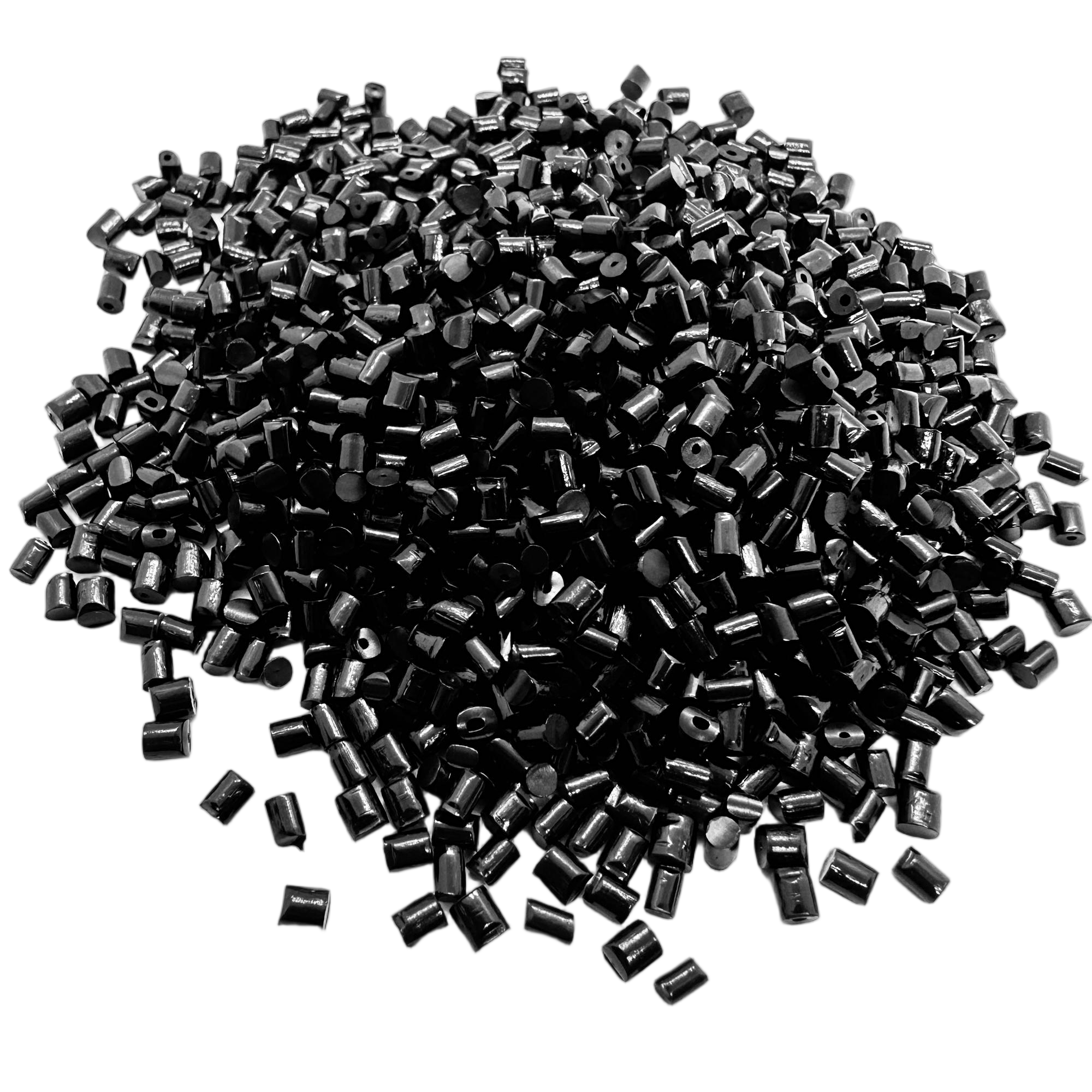
Structure-Enhanced PC Black Masterbatch WM6245-WM6245
Structure-Enhanced PC Black Masterbatch WM6245
Introduction WM6245 is produced by unique process in which carbon black is pre-dispersed, then compounded with the basic resin through plastication. It is widely used in extrusion and high glossy injection applications. Suitable for PC ABS/PC materia...
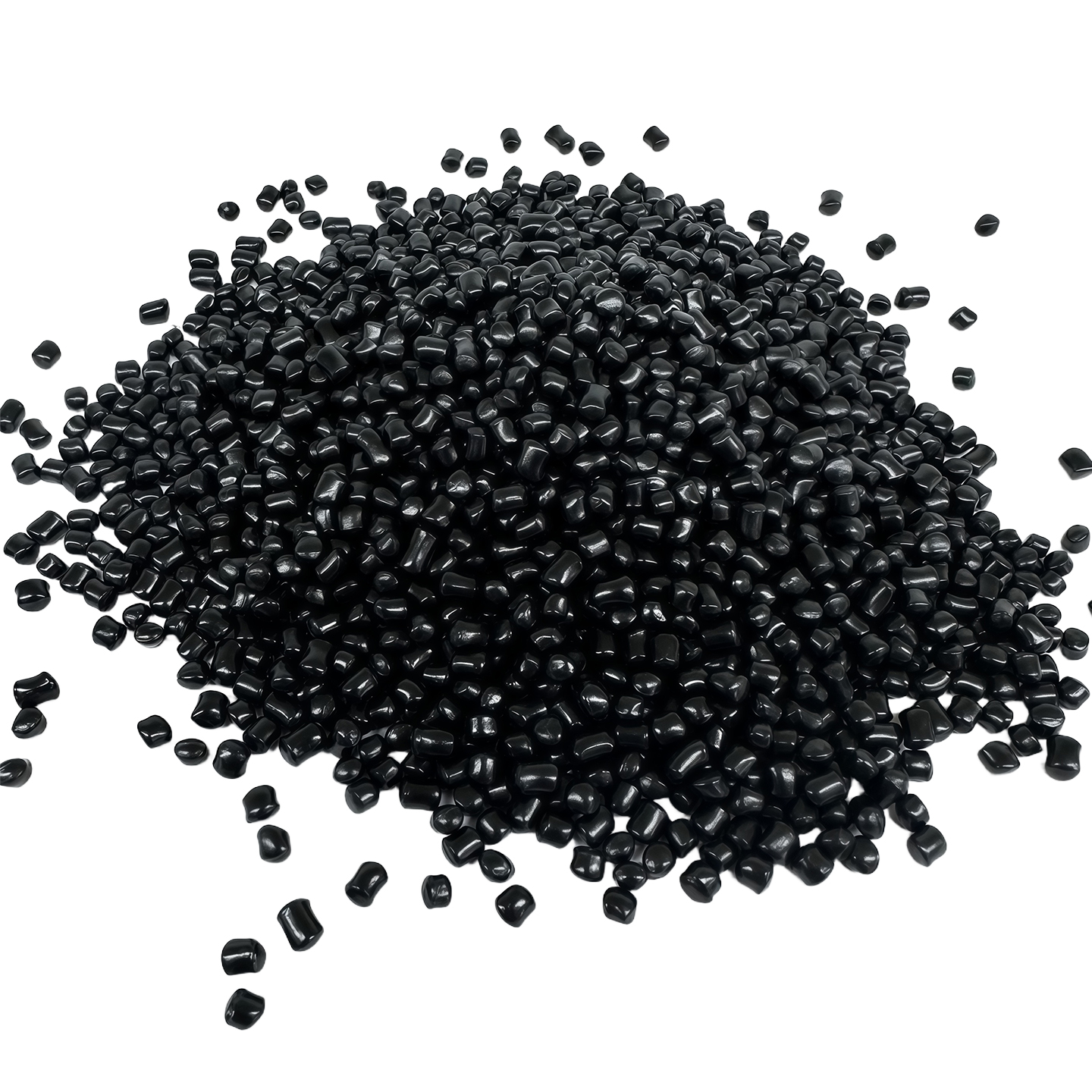
Universal Environmentally Resistant Black Masterbatch WM72-WM72
Universal Environmentally Resistant Black Masterbatch WM72
Introduction WM72 is produced by unique process in which carbon black is pre-dispersed, then compounded with the basic resin through plastication. It is widely used in film blowing and injection applications. Suitable for PP and PE materials. It fea...
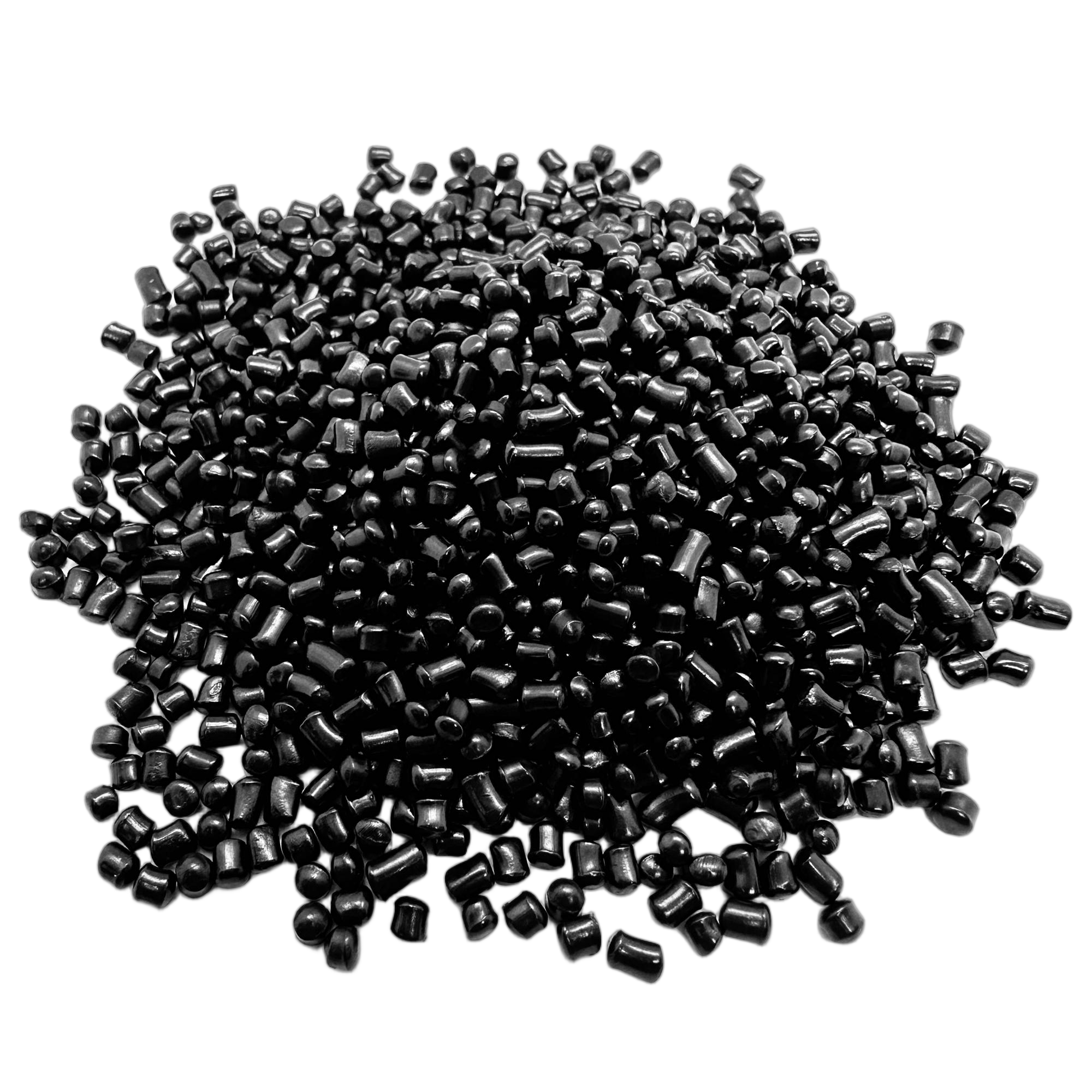
Environmentally Friendly FDA approved & food grade Black Masterbatch WM70E2-WM70E2
Environmentally Friendly FDA approved & food grade Black Masterbatch WM70E2
Introduction WM70E2 is produced by unique process in which carbon black is pre-dispersed, then compounded with the basic resin through plastication. It is widely used in injection (both general and thin wall injection), blow molding and extrusion sh...
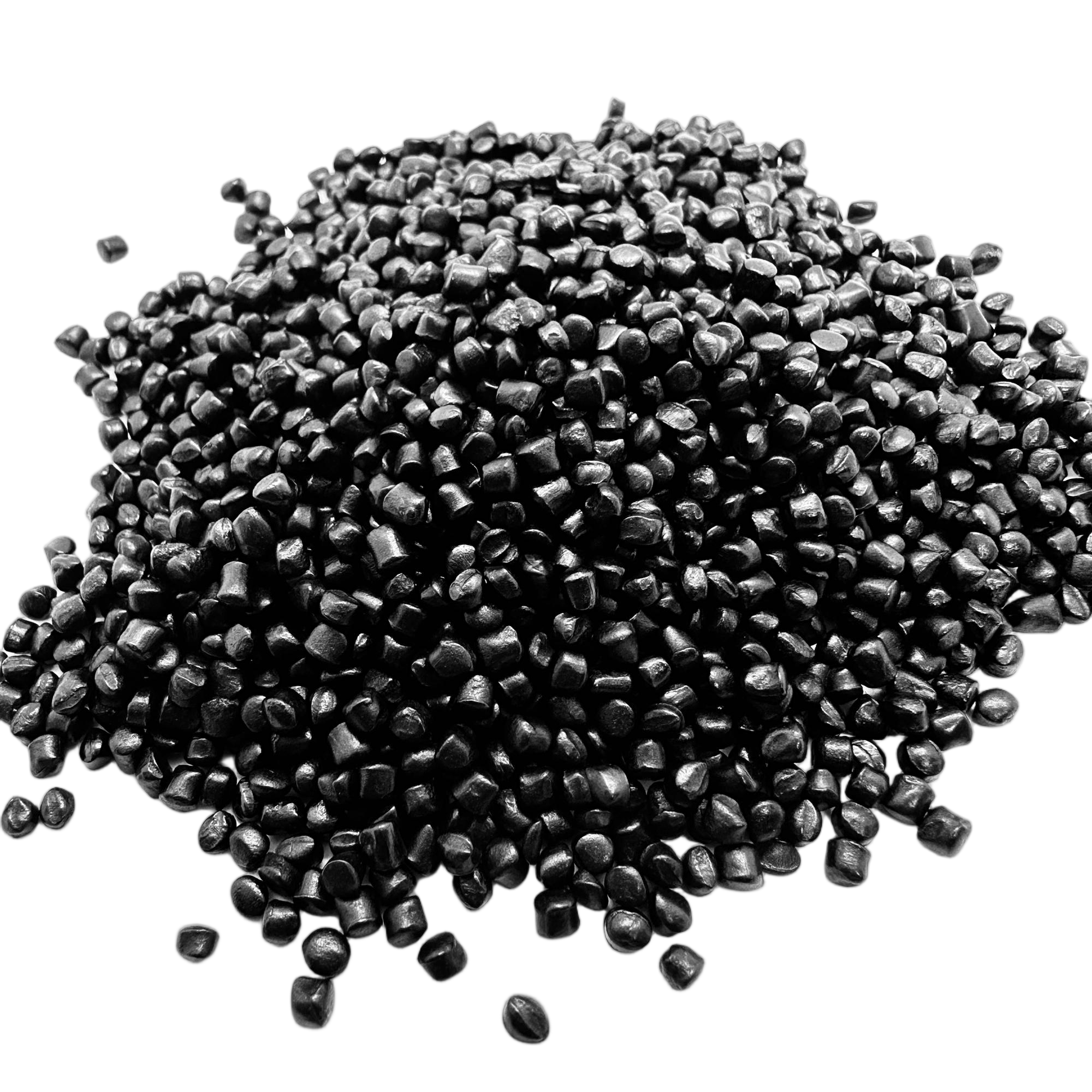
Low Volatile & High Concentration Environmentally Friendly Filled Black Masterbatch WM261YF-WM261YF
Low Volatile & High Concentration Environmentally Friendly Filled Black Masterbatch WM261YF
Introduction WM261YF is produced by unique process in which carbon black is pre-dispersed, then compounded with the basic resin through plastication. It is widely used in injection and modified compounding applications. Suitable for PP PE materials....
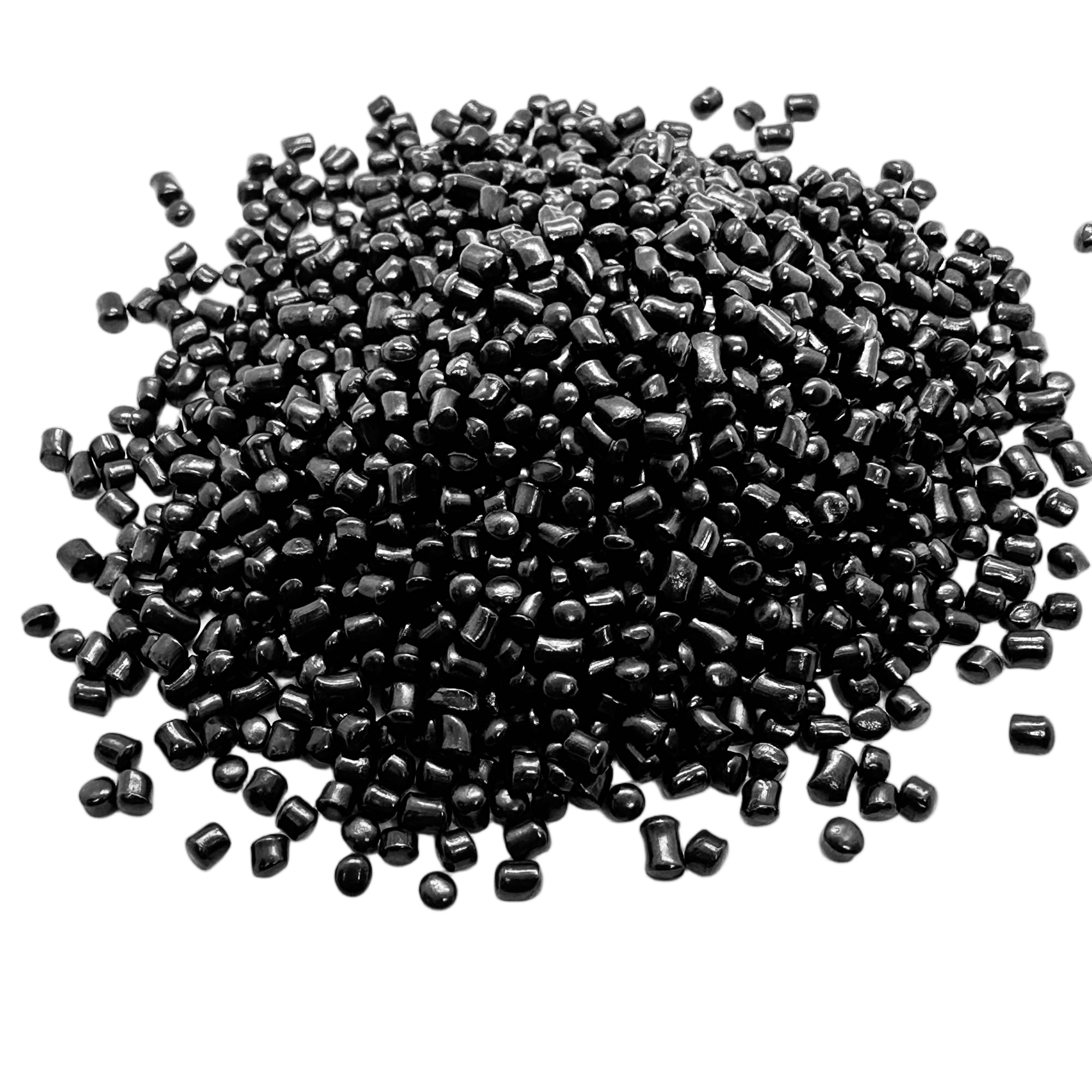
Environmentally Resistant Black Masterbatch WM3F-WM3F
Environmentally Resistant Black Masterbatch WM3F
Introduction WM3F is produced by unique process in which carbon black is pre-dispersed, then compounded with the basic resin through plastication. It is widely used in water supply pipe,drip irrigation pipe,corrugated pipe and film blowing applicati...
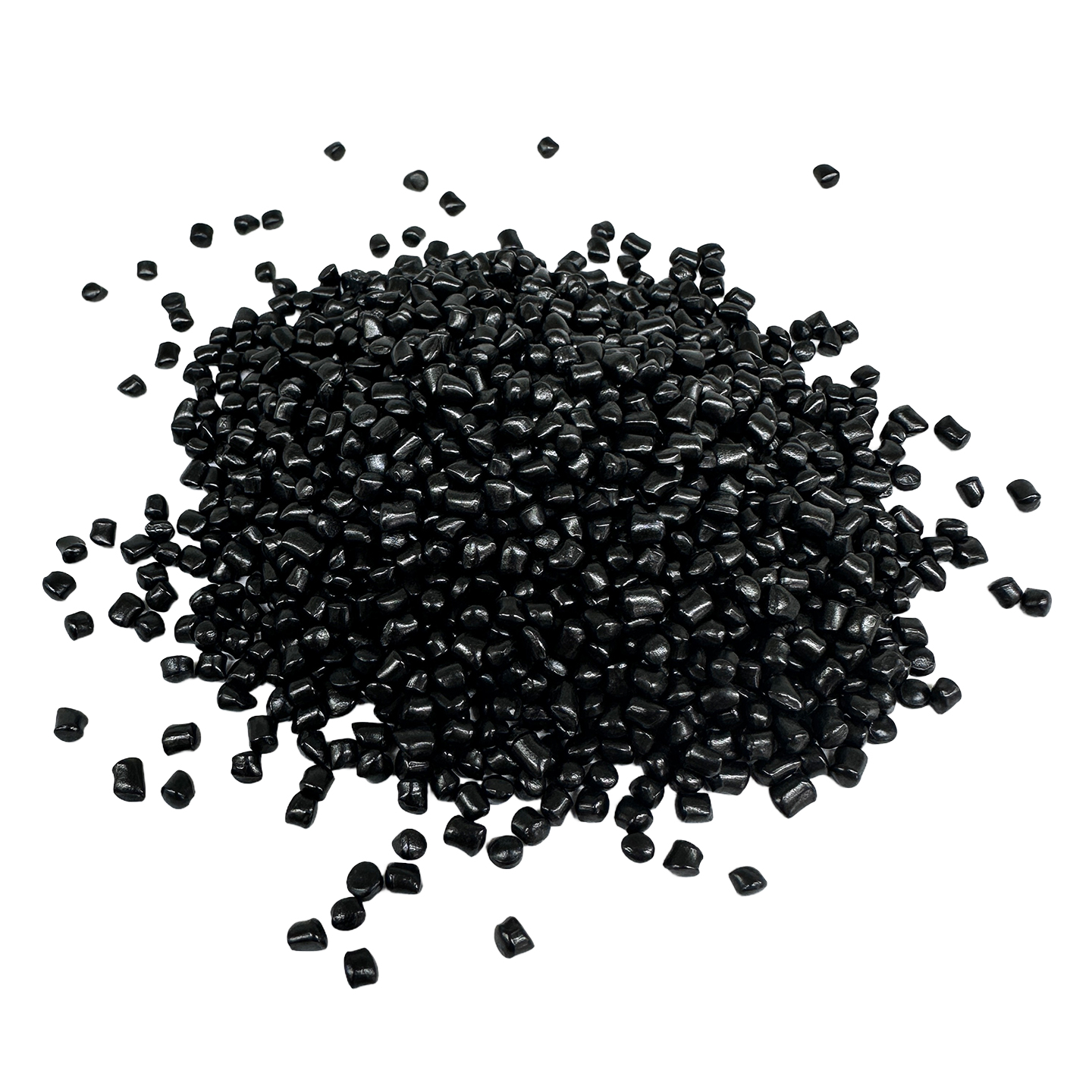
General Low Carbon Black Masterbatch WME1-WME1
General Low Carbon Black Masterbatch WME1
Introduction WME1 is produced by unique process in which carbon black is pre-dispersed, then compounded with the polymer additive through plastication. It is widely used in injection, extrusion pipe and blow film applications. It features low dosage...
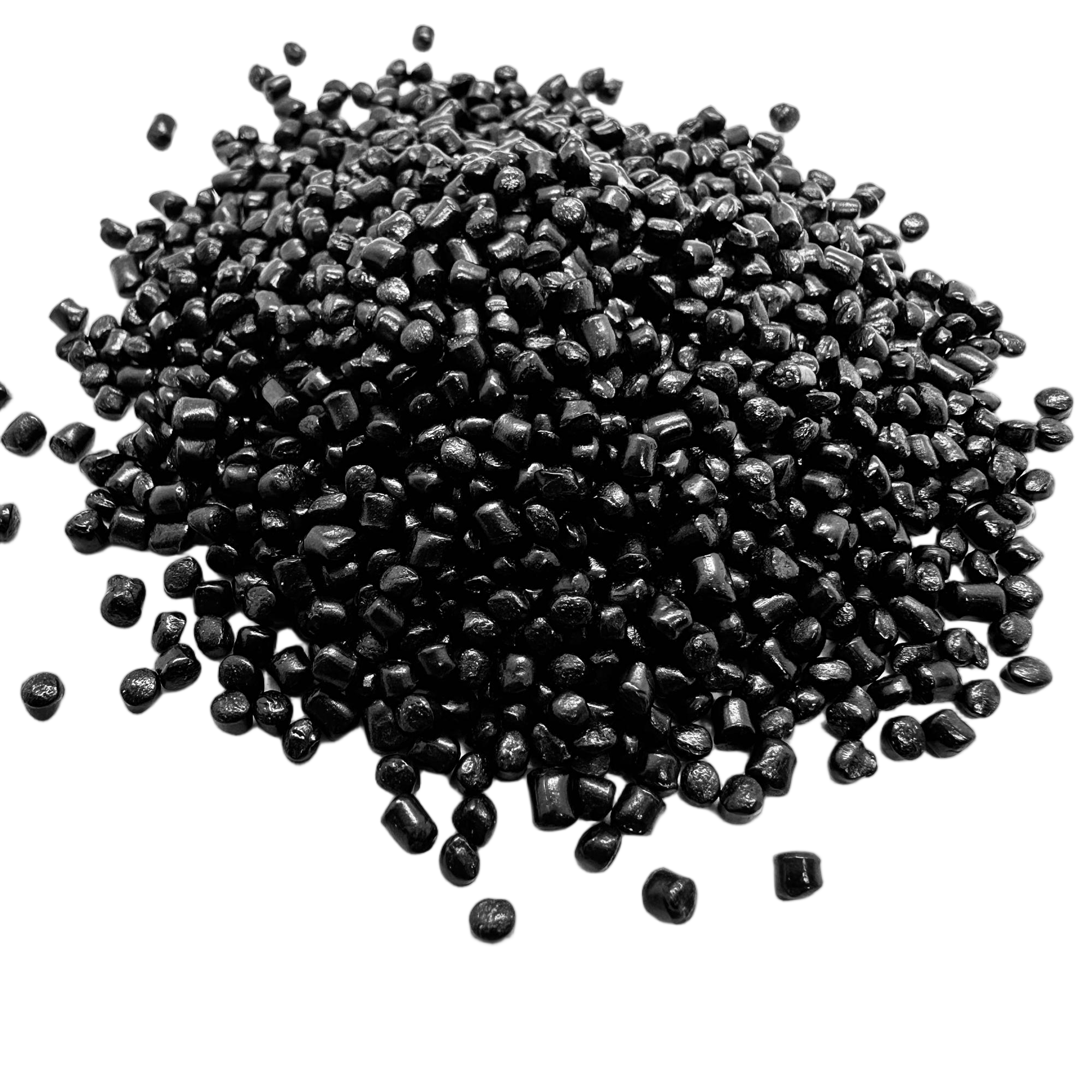
Weather-Resistant Black Filler Masterbatch WM307-WM307
Weather-Resistant Black Filler Masterbatch WM307
Introduction WM307 is produced by unique process in which carbon black is pre-dispersed, then compounded with the basic resin through plastication. It is widely used in injection, blow film and compounding applications. Suitable for PP, PE material...
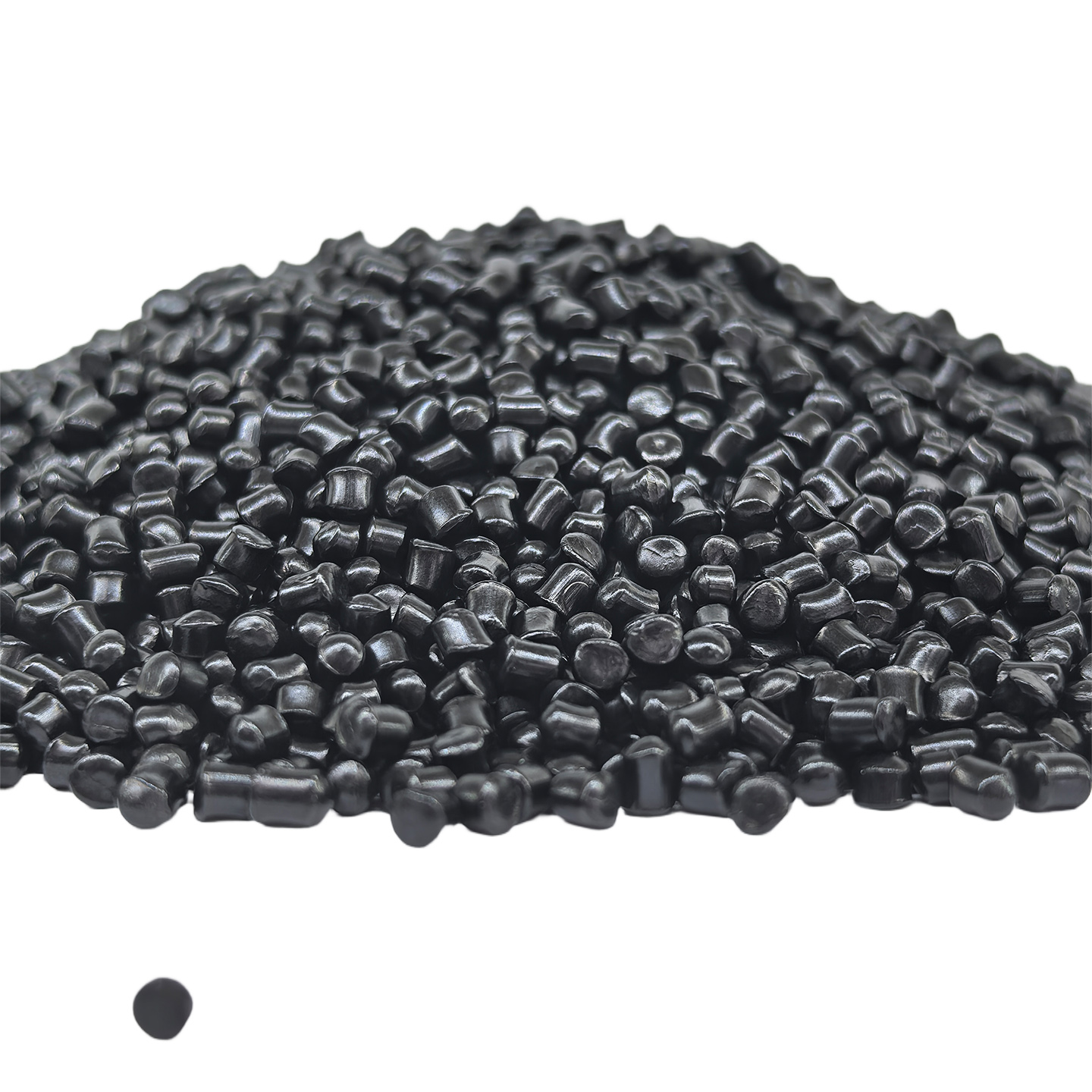
Durable Black Environmentally Friendly Functional Masterbatch WM30-WM30
Durable Black Environmentally Friendly Functional Masterbatch WM30
Introduction WM30 is produced by unique process in which carbon black is pre-dispersed, then compounded with the basic resin through plastication. It is widely used in injection, modified compounding, pipe & sheet applications. Suitable for PP ,PE a...
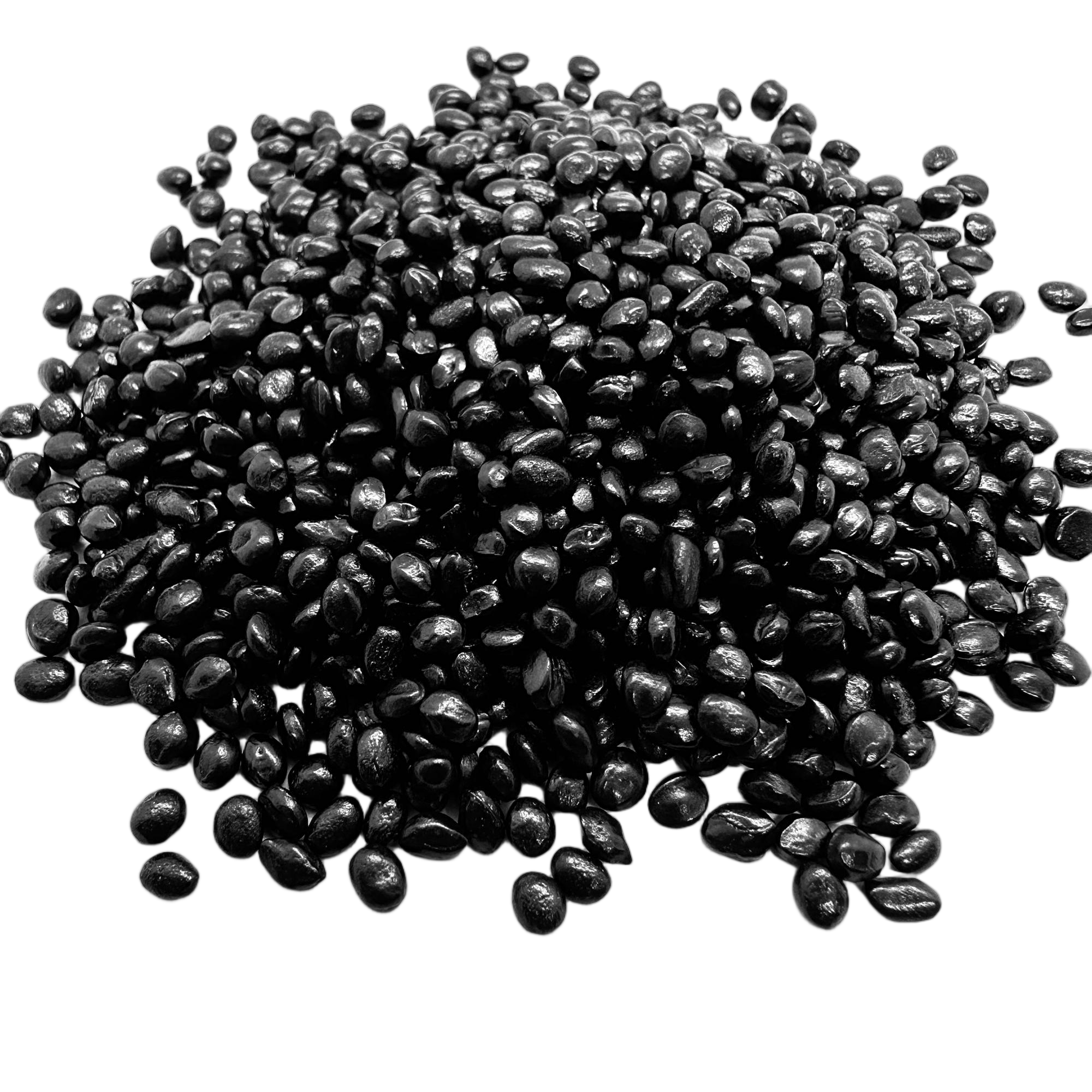
Environmentally Friendly Black Masterbatch WM101-WM101
Environmentally Friendly Black Masterbatch WM101
Introduction WM101 is produced by polymer additive with pre-dispersed carbon black , then compounded with the basic resin through plastication. It is widely used in injection, pipe, blow film applications. It features low dosage, high blackness, goo...
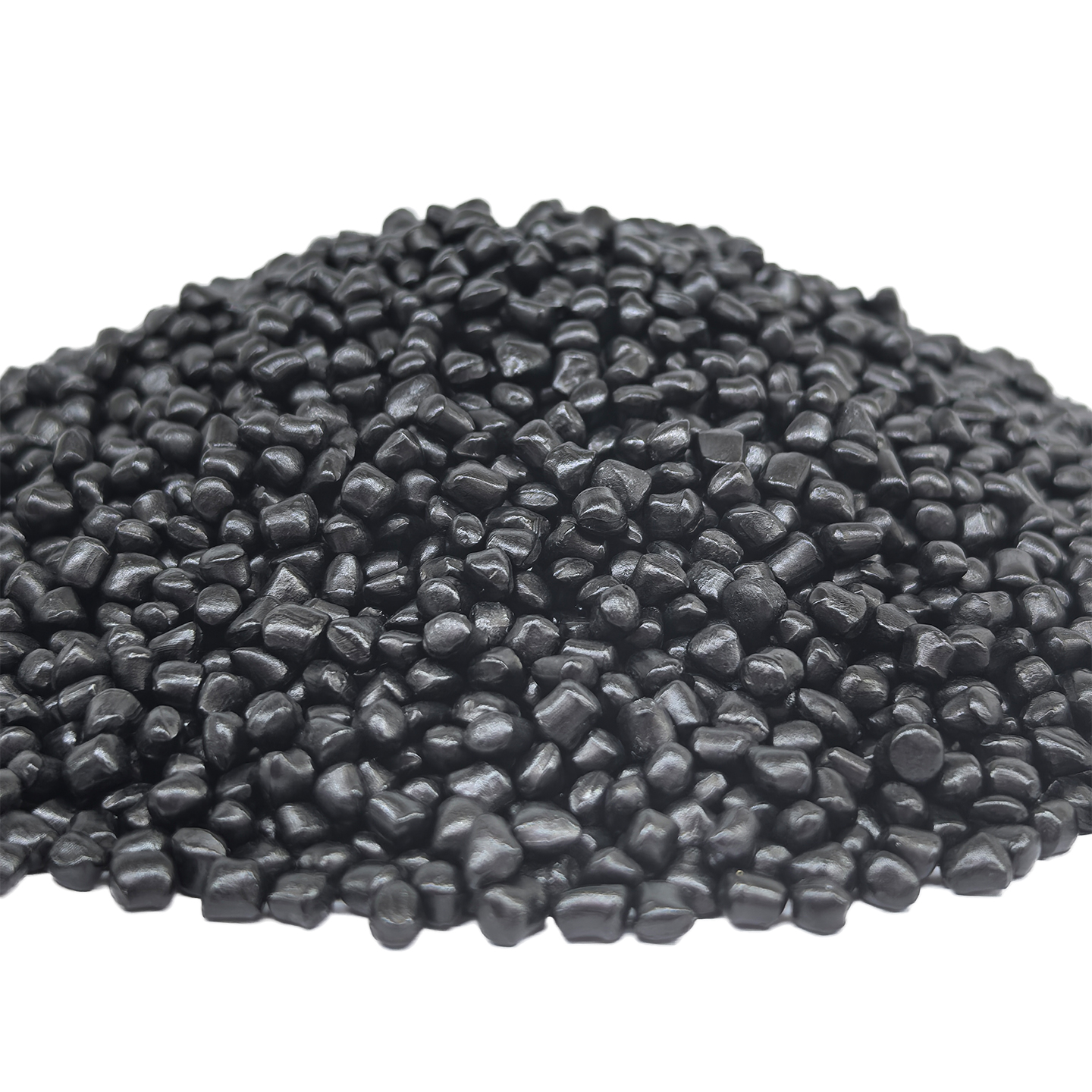
High Concentration Environmentally Friendly Filled Black Masterbatch WM8E-WM8E
High Concentration Environmentally Friendly Filled Black Masterbatch WM8E
Introduction WM8E is produced by unique process in which carbon black is pre-dispersed, then compounded with the basic resin through plastication. It is widely used in film blowing , blowing plastic and injection applications. Suitable for PP and PE...
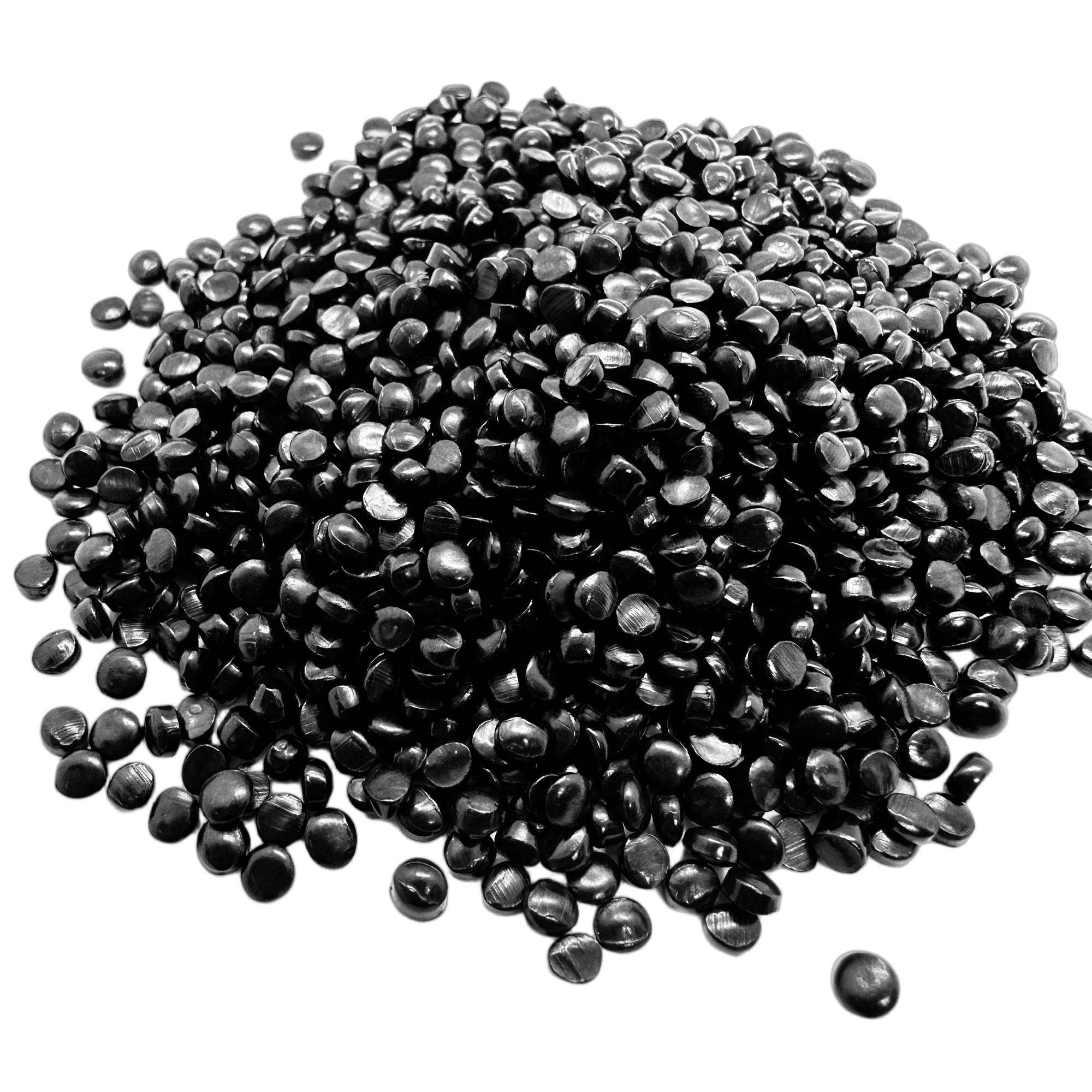
Universal Courier bag Extrusion Black Masterbatch WM2ADM-WM2ADM
Universal Courier bag Extrusion Black Masterbatch WM2ADM
Introduction WM2ADM is produced by unique process in which carbon black is pre-dispersed, then compounded with the basic resin through plastication. It is widely used in film blowing , blowing plastic and fiber applications. Suitable for PP and PE m...
Stable Dispersion & Excellent Hiding Concentrated Mulch Black Masterbatch WMULCH-1-WMULCH-1
Stable Dispersion & Excellent Hiding Concentrated Mulch Black Masterbatch WMULCH-1
Introduction Mulch film is judged in the field, not in the warehouse. By the time a roll reaches the bed former, three things have already decided how the film will behave for the rest of the season: how much carbon black is genuinely in the film, ...
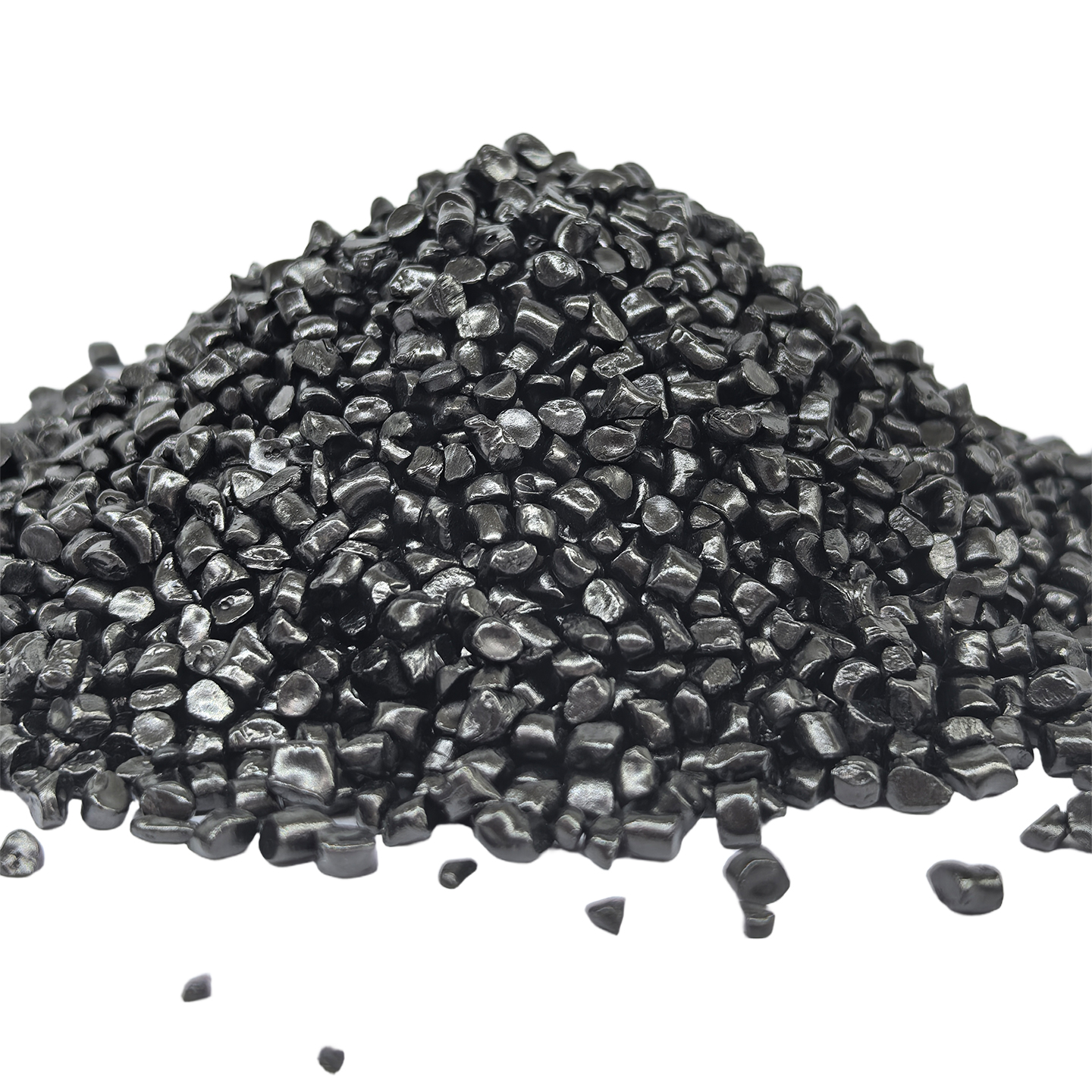
High Concentration Carrier-Free Black Masterbatch WMB34-WMB34
High Concentration Carrier-Free Black Masterbatch WMB34
Introduction WMB34 is produced by unique process in which carbon black is pre-dispersed, then compounded with the basic resin through plastication. It is widely used in injection and modified compounding applications. Suitable for PP PE ABS PA+GF...
Strong And High Pigment Black Masterbatch WM913-WM913
Strong And High Pigment Black Masterbatch WM913
Introduction WM913 is produced by pre-dispersed carbon black with polymer additive, then compounded through plastication. It is widely used in modified compounding applications. Suitable for PP PE ABS PPR ABS HIPS materials. It features low dosage...
BPA Free & Low Volatile Environmentally Friendly Interior Black Masterbatch WMEG11-WMEG11
BPA Free & Low Volatile Environmentally Friendly Interior Black Masterbatch WMEG11
Introduction WMEG11 is produced by unique process in which carbon black is pre-dispersed, then compounded with the basic resin through plastication. It is widely used in modified compounding and injection applications. Suitable for PP and PE materi...
BPA Free & LFGB Approved food grade Black Masterbatch WMB56-WMB56
BPA Free & LFGB Approved food grade Black Masterbatch WMB56
Introduction WMB56, a low-odour black masterbatch for ABS, AS and PC appliance housings WMB56 is produced by unique process in which carbon black is pre-dispersed, then compounded with the basic resin through plastication. It is widely used in inje...
Strong And High Pigment PP Black Masterbatch WM785D-WM785D
Strong And High Pigment PP Black Masterbatch WM785D
Introduction WM785D is produced by unique process in which carbon black is pre-dispersed, then compounded with the basic resin through plastication. It is widely used in modified compounding and injection applications. Suitable for PP and PE materia...
Injection Molding Reinforced Black Masterbatch WM16H (UN2014) -WM16H
Injection Molding Reinforced Black Masterbatch WM16H (UN2014)
Introduction WM16H is produced by pre-dispered carbon black, and then compounded with basic resin. It is widely used in ABS, PC/AS high glossy injection and modifiled compounding applications. Suitable for PP PE PC/ABS GPPS POM GPPS PA+GF materials....
Structure-Enhanced SAN Black Masterbatch WM2A-WM2A
Structure-Enhanced SAN Black Masterbatch WM2A
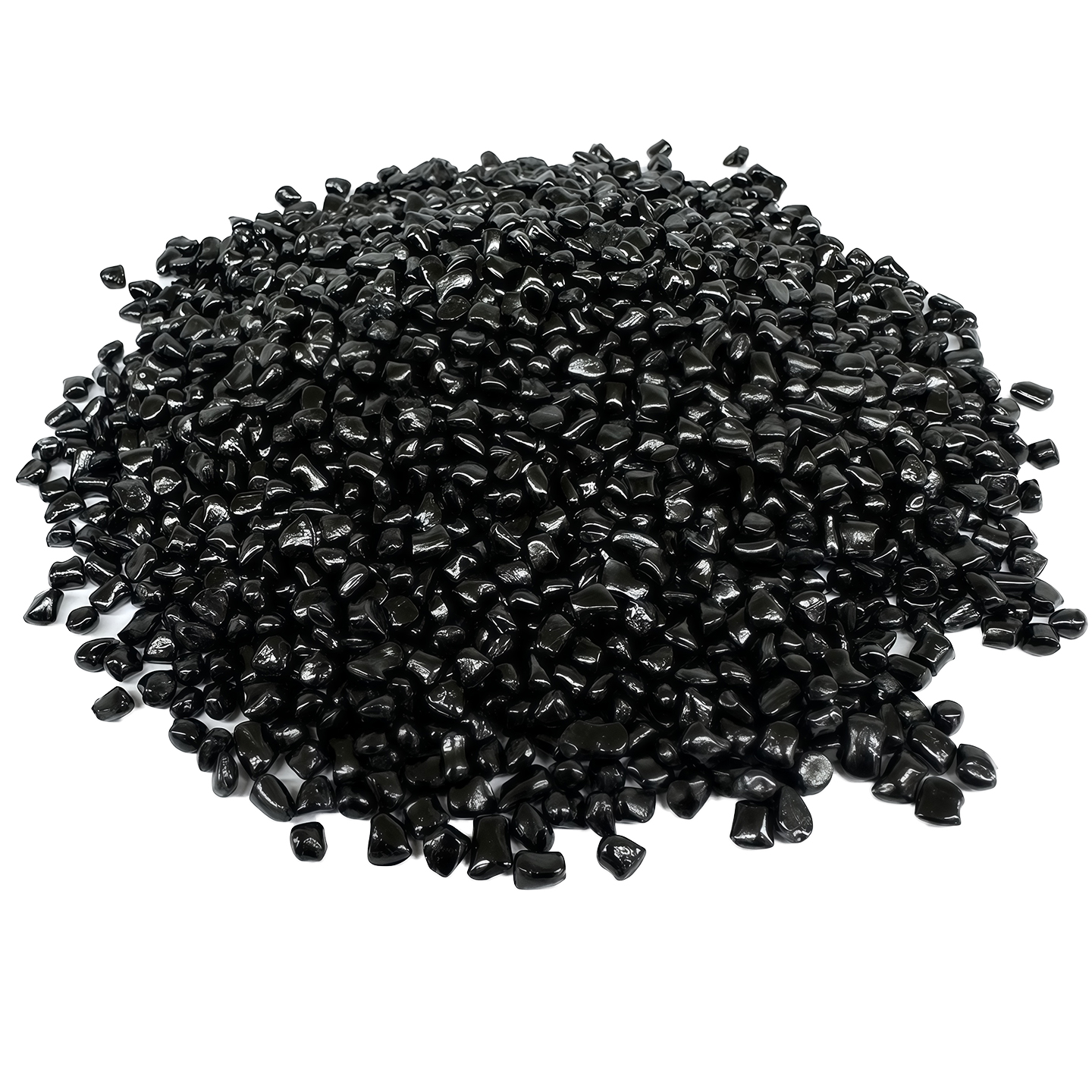
Introduction WM2A is produced by high-pigment carbon black with AS as carrier and special dispersion agent. Its carbon black is stable and blue-shape grade. Suitable for ABS PC high glossy injection materials, also PPO PPS PA PET etc. thermoplasti...
Structure-Enhanced PS Black Masterbatch WM626-WM626
Structure-Enhanced PS Black Masterbatch WM626
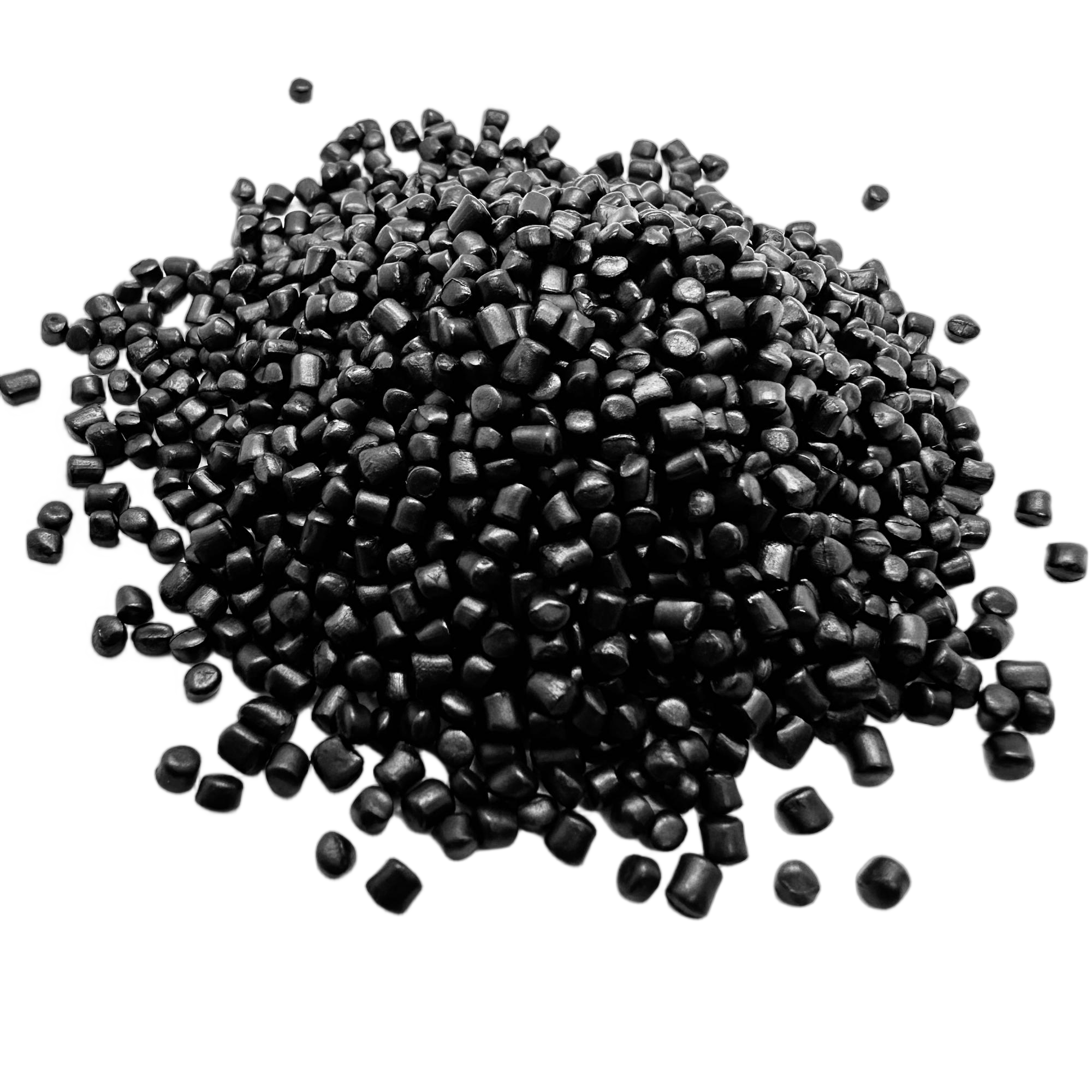
Introduction WM626 is produced by unique process in which carbon black is pre-dispersed, then compounded with the basic resin through plastication. It is widely used in extrusion and injection applications. Suitable for HIPS materials. It features lo...
Structure-Enhanced PC Black Masterbatch WM6245-WM6245
Structure-Enhanced PC Black Masterbatch WM6245
Introduction WM6245 is produced by unique process in which carbon black is pre-dispersed, then compounded with the basic resin through plastication. It is widely used in extrusion and high glossy injection applications. Suitable for PC ABS/PC materia...
Universal Environmentally Resistant Black Masterbatch WM72-WM72
Universal Environmentally Resistant Black Masterbatch WM72
Introduction WM72 is produced by unique process in which carbon black is pre-dispersed, then compounded with the basic resin through plastication. It is widely used in film blowing and injection applications. Suitable for PP and PE materials. It fea...
Environmentally Friendly FDA approved & food grade Black Masterbatch WM70E2-WM70E2
Environmentally Friendly FDA approved & food grade Black Masterbatch WM70E2
Introduction WM70E2 is produced by unique process in which carbon black is pre-dispersed, then compounded with the basic resin through plastication. It is widely used in injection (both general and thin wall injection), blow molding and extrusion sh...
Low Volatile & High Concentration Environmentally Friendly Filled Black Masterbatch WM261YF-WM261YF
Low Volatile & High Concentration Environmentally Friendly Filled Black Masterbatch WM261YF
Introduction WM261YF is produced by unique process in which carbon black is pre-dispersed, then compounded with the basic resin through plastication. It is widely used in injection and modified compounding applications. Suitable for PP PE materials....
Environmentally Resistant Black Masterbatch WM3F-WM3F
Environmentally Resistant Black Masterbatch WM3F
Introduction WM3F is produced by unique process in which carbon black is pre-dispersed, then compounded with the basic resin through plastication. It is widely used in water supply pipe,drip irrigation pipe,corrugated pipe and film blowing applicati...
General Low Carbon Black Masterbatch WME1-WME1
General Low Carbon Black Masterbatch WME1
Introduction WME1 is produced by unique process in which carbon black is pre-dispersed, then compounded with the polymer additive through plastication. It is widely used in injection, extrusion pipe and blow film applications. It features low dosage...
Weather-Resistant Black Filler Masterbatch WM307-WM307
Weather-Resistant Black Filler Masterbatch WM307
Introduction WM307 is produced by unique process in which carbon black is pre-dispersed, then compounded with the basic resin through plastication. It is widely used in injection, blow film and compounding applications. Suitable for PP, PE material...
Durable Black Environmentally Friendly Functional Masterbatch WM30-WM30
Durable Black Environmentally Friendly Functional Masterbatch WM30
Introduction WM30 is produced by unique process in which carbon black is pre-dispersed, then compounded with the basic resin through plastication. It is widely used in injection, modified compounding, pipe & sheet applications. Suitable for PP ,PE a...
Get Your Free Sample Now
Submit this form and our sales representative will contact you soon.

Contact Us
Tel: +86 757 8118 6668/+86 139 2320 6383
Sales Hotline: +86 139 2320 6383
Address: No. 55, Yong'an Avenue, Guanyao, Shishan Town, Nanhai District, Foshan City, Guangdong Province, China.
Inquire
Copyright © 2026 Guangdong Jolink Technology Co., Ltd.