
SEARCH WHAT YOU WANT
Enhanced UV Protection Black Masterbatch WM3F
 |
 |
Introduction
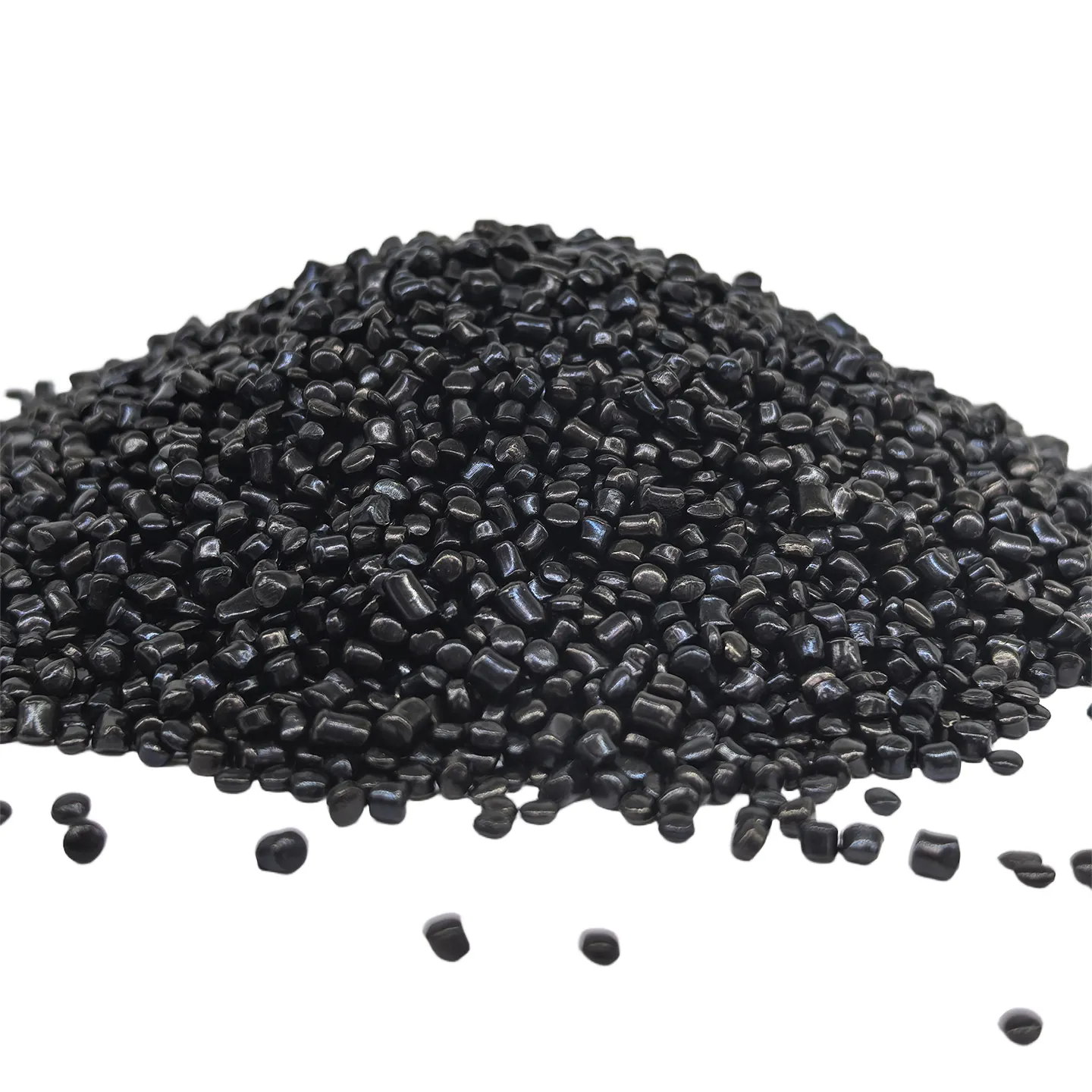
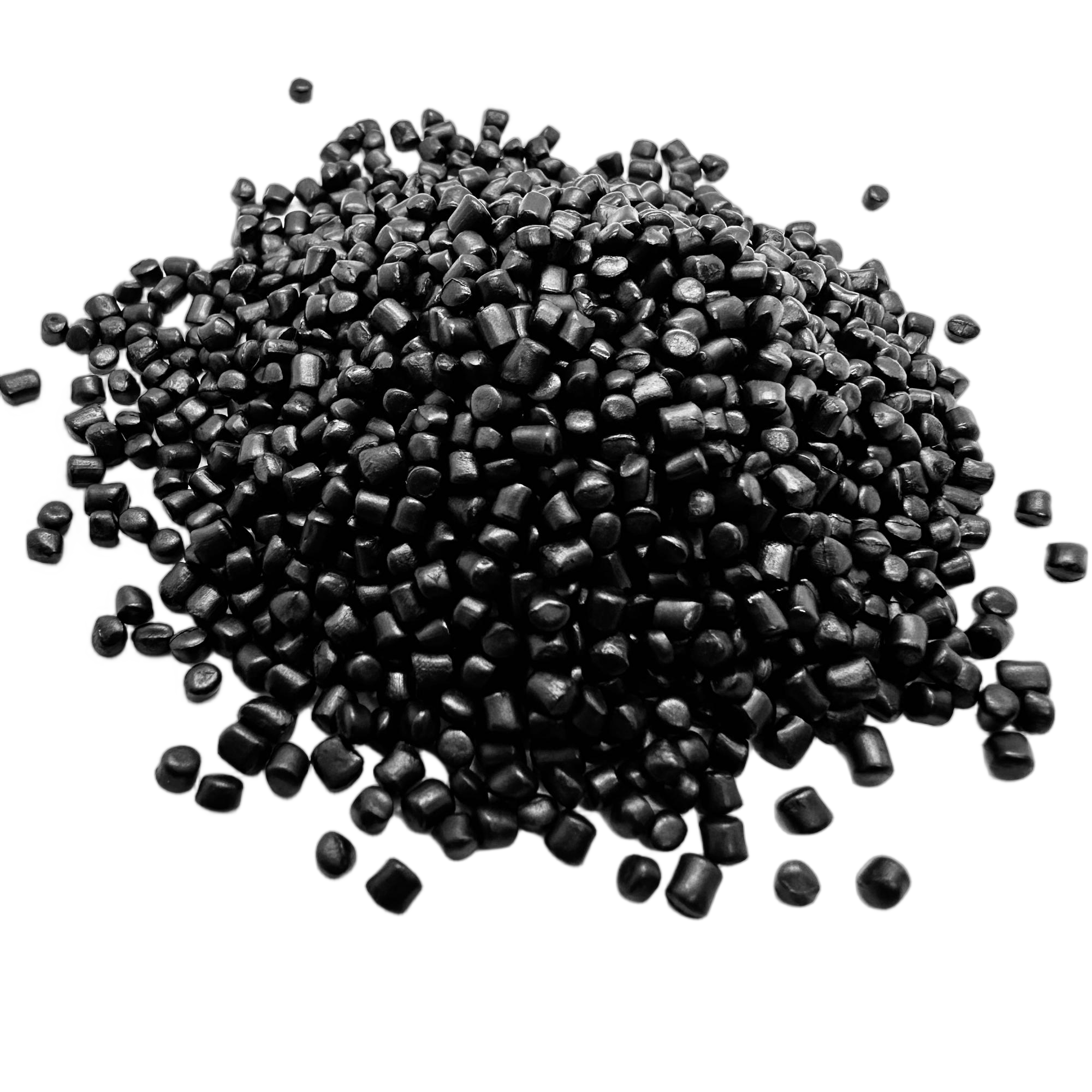
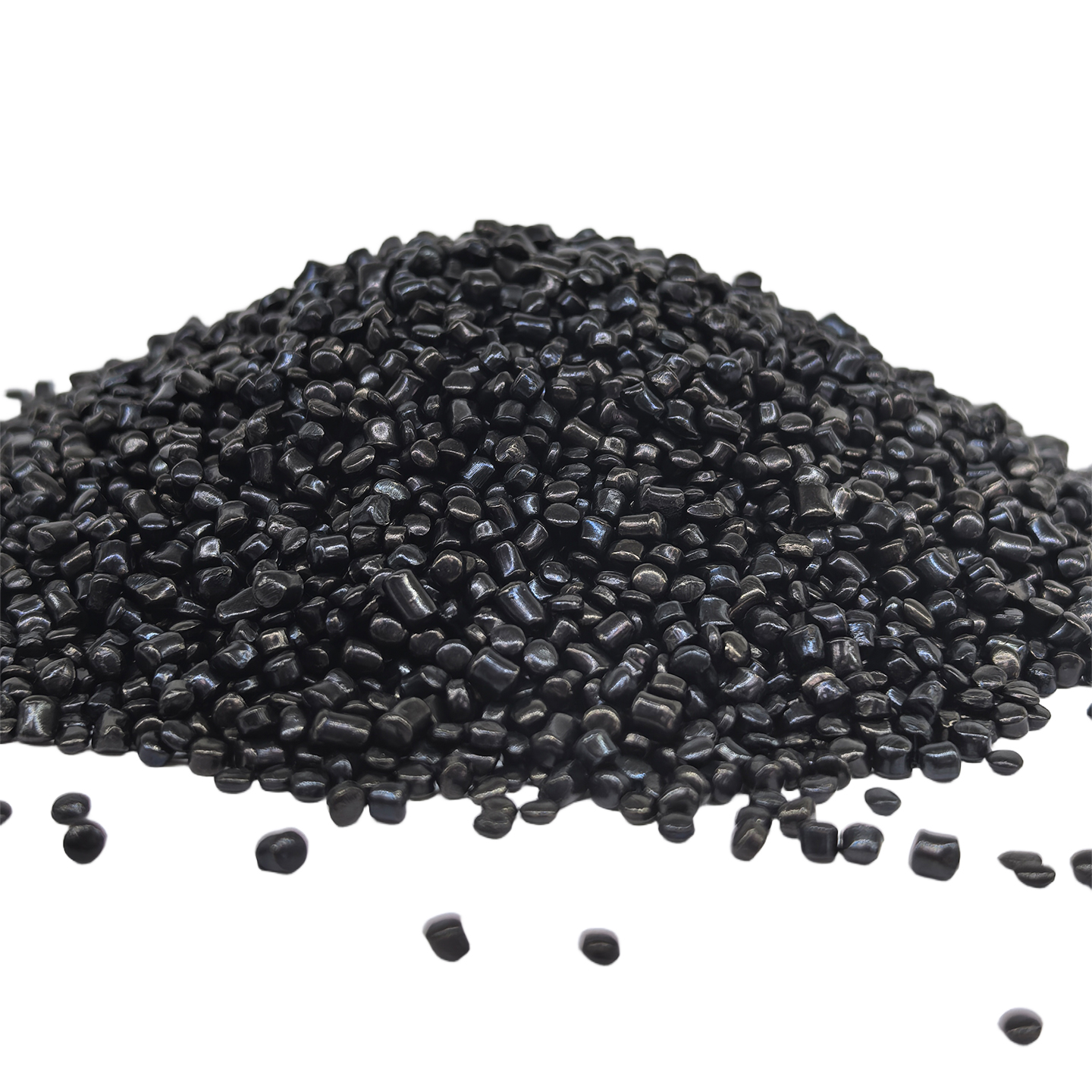
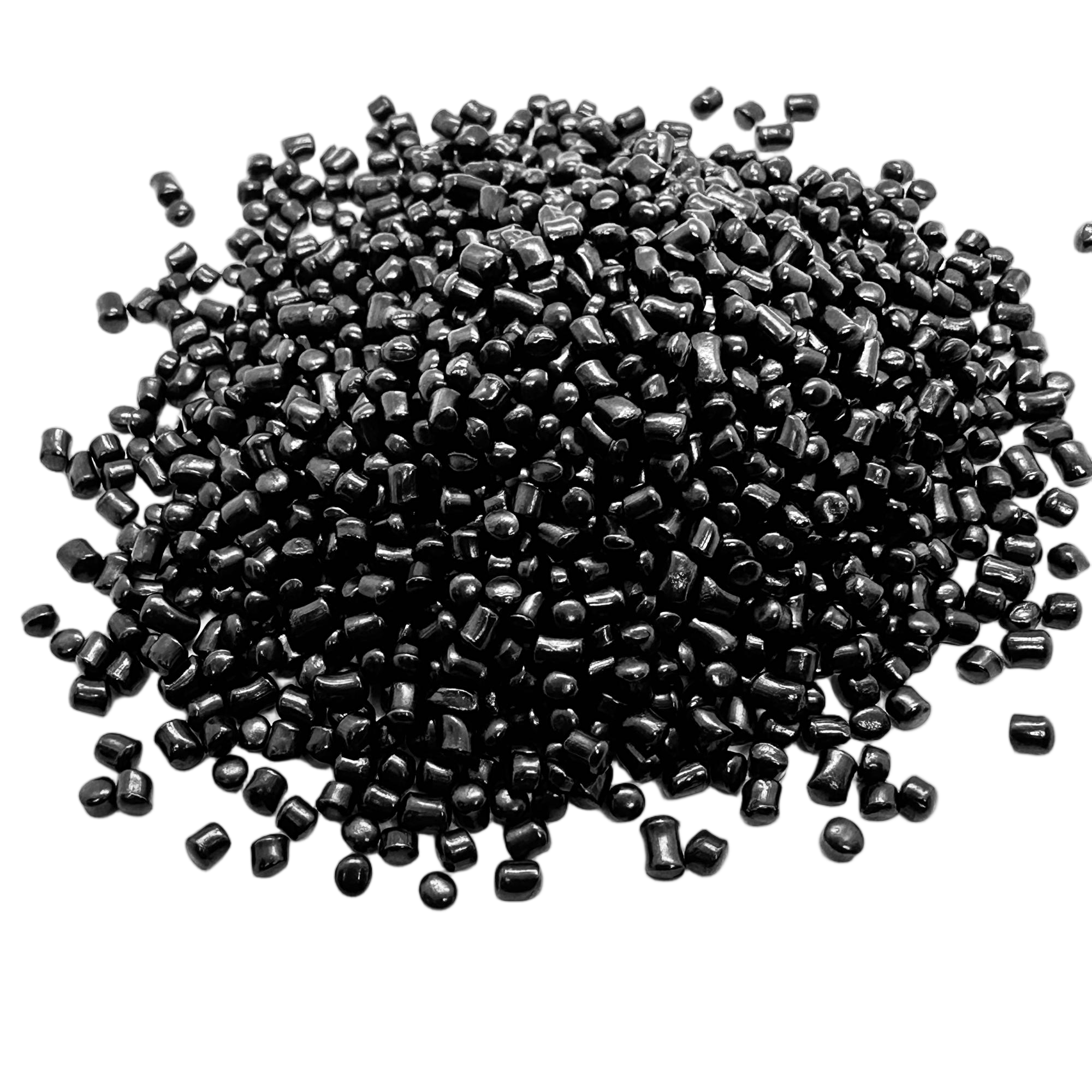
WM3F is produced by unique process in which carbon black is pre-dispersed, then compounded with the basic resin through plastication. It is widely used in water supply pipe,drip irrigation pipe,corrugated pipe and film blowing applications. Suitable for PP and PE materials. It features low dosage, high blackness, good brightness, excellent heat resistance, outstanding dispersibility and tinting power, minimal impact on the physical properties of the final product.
Technical Parameter
| Carbon Content | 44-46.5% | Pre-dispersed carbon black and compounded by plastication |
| Carrier | PE | Compatible with PE、PP base materials |
| MFI | 1-10 (g/ 10min(190℃ 10kg) | ISO 1133 F, 190 °C/ 10 kg |
| Moisture | ≤0.15% | Measured as delivered and sealed packaging |
| Dispersion | Excellent (≤ Level 2.5) | ISO 18553 (lower grade indicates better dispersion) |
| Compliance | RoHS,PAHs,REACH | Declarations supplied on request |
| Application | Water supply pipe/Drip tape/Corrugated Pipes Blow film (courier bags) | Only one grade across multiple production lines |
| Dosage Advice | Film blowing: 4.0–8.0% Extrusion: 1.0–4.0% | Adjusted to the carbon black target of the finished pipe /Blown film, courier bags and similar thin-wall products |
| OEM | Accepted | Carbon black content and carrier specified per request |
Pre-dispersed carbon black, engineered for single-screw pipe extruders
Pipe producution lines are single-screw extruders with short residence time and limited mixing intensity. Carbon black remains in colloidal form even when molten,
so how wellit was dispersed before it reached your hopper largely determines what happened at the die.
The carbon black of WM3F is pre-dispersed and compounded with the carrier resin by plastication,
which is why the grade provide high blackness and strong tinting power at low dosage rather than relying on your screw to finish the job.
Moisture stay at ≤0.15%
Water vapor in masterbatch flashes to steam inside the extruder barrel. The result is micro-voids, pinholes and silver streaks in the pipe wall , defects sitting directly in the load path of the pressurized pipe.
WM3F keep <0.15% moisture in the sealed 25 kg bags, well below the <0.50% ceiling commonly quoted on pipe grade datasheets. Under normal storage no pre-drying is required.
One grade across pipe, drip tape, corrugated pipe and blown film
WM3F is compatible with both PE and PP, so a converter running water supply pipe, drip irrigation tape, corrugated pipe and blown film can hold with the single grade in stock and adjust dosage per product instead of changing material.
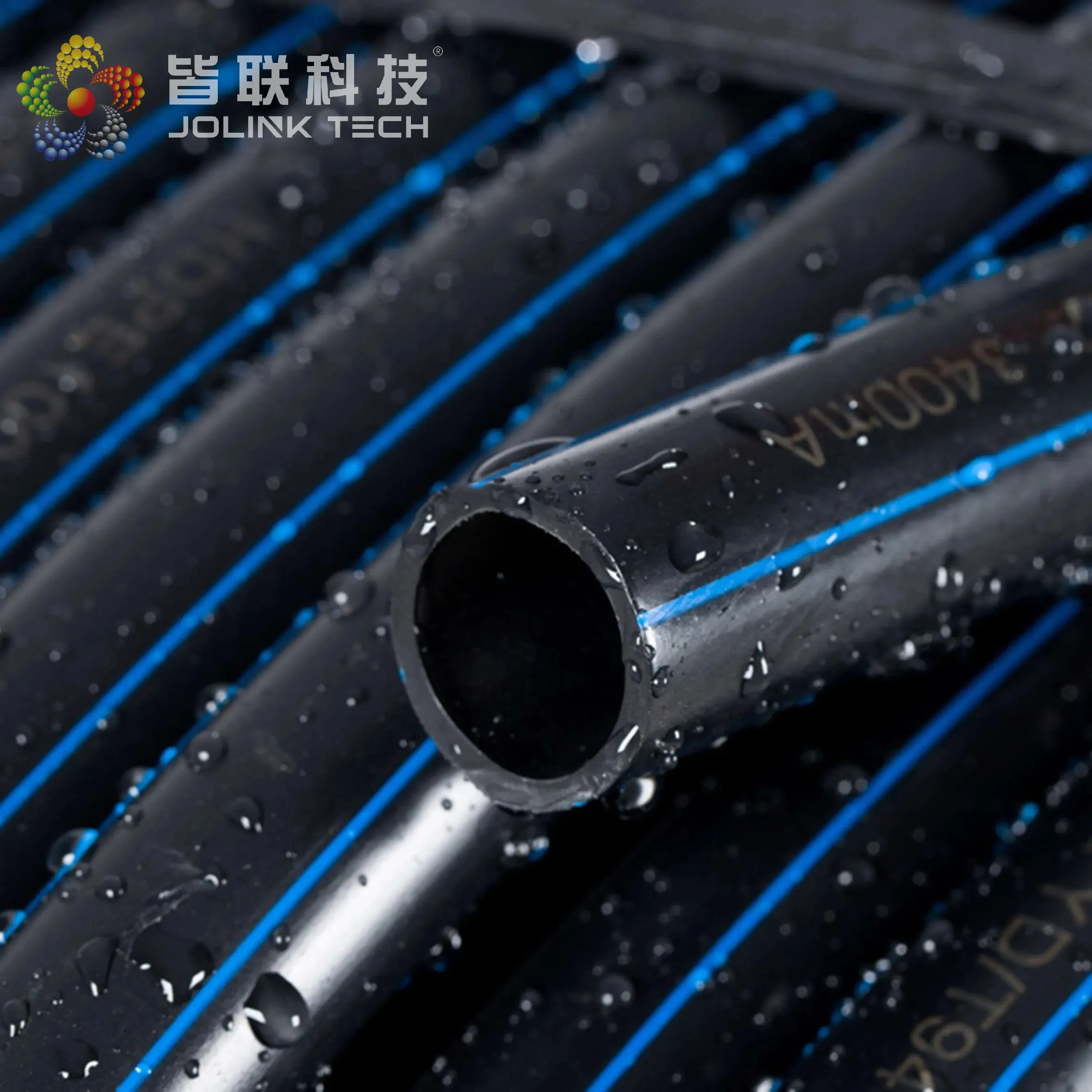
Why WM3F Is Specified for Water Supply Pipe ?
Dispersion is specified as a number, not an adjective, masterbatch can look perfectly black and still fail in pressure pipe. The parameter that decides whether carbon black
protects the pipe wall or damages it is dispersion. WM3F is specified at ≤Level 2.5 on the ISO 18553 scale , inside the≤ grade 3 limit that ISO 4427 and EN 12201 set for black PE compounds.
Undispersed carbon black agglomerates act as stress concentration points that can initiate slow crack growth under sustained internal pressure, so we publish the
measured grade instead of describing dispersion as "good" only, you can read more from our technical guide about water supply pipe
Dosage and Carbon Black Content in the Finished Pipe
ISO 4427 and EN 12201 require black PE water pipe compounds to contain 2.0-2.5% carbon black by mass, tested to ISO 6964, with a dispersion grade of 3 or better.
ISO 8779 applies the same carbon black window to PE irrigation pipe. How much WM3F you need depends on how much carbon black your base resin already carries.
| WM3F dosage in the compound | Carbon black introduced into the pipe wall |
| 1.0% | 0.45% |
| 2.0% | 0.90% |
| 3.0% | 1.35% |
| 4.0% | 1.80% |
| 4.5% | 2.03% |
| 5.0% | 2.25% |
| 5.5% | 2.48% |
Calculating at 45% carbon black, the nominal mid point of the 44-46.5% specification.
Read together: across the 1.0-4.0% extrusion dosage range WM3F provides coloring and partial UV protection , the right level when the base resin already supplies part of the carbon black load.
Where a natural, carbon-black-free base resin must reach the 2.0-2.5% specification, WM3F is added at approximately 4.5-5.6%.
Two points worth keeping in mind. Carbon black above roughly 3% by mass brings no further UV benefit and raises the risk of agglomeration and loss of impact strength, more masterbatch is not more protection.
And oxidation induction time (OIT, ISO 11357-6) is governed mainly by the antioxidant package in your base compound rather than by the masterbatch itself.
Send us your base resin grade and datasheet, also the standard you are working to, we will calculate the exact addition rate for your line.
How Carbon Black Protects PE Pipe Wall from UV Degradation
1st : UV absorption
Carbon black absorbs UV-A and UV-B radiation across the 280-400 nm band and dissipates the energy as heat. Intercepting photons before they reach the polymer chain prevents the free-radical chain scission
that causes surfacechalking, embrittlement and loss of elongation.
2nd : Radical scavenging
Surface functional groupson the carbon black particles intercept free radicals that form below the fully shielded outer layer, extending protection into the sub-surface zone rather than relying on a single absorbing
skin.
3rd : Thermal buffering
Pipe stored outdoors in direct sun reaches surface temperatures far above ambient. Carbon black's thermal absorption and radical scavenging moderate photo-oxidative and thermal degradation at the same time,
which matters during the weeks or months a pipe spends in open storage before installation.
Note that buried pipe still spends a long period above ground before backfilling, so UV shielding is specified for the whole service life rather than only for the exposed sections.
ProcessingWM3F in Pipe Extrusion
| Process parameter | Guidance |
| Barrel temperature | 190-220 °C, the standard HDPE pipe compound window |
| Feeding | Hopper dry-blend; a gravimetric feeder holds dosage accuracy across long runs and shift changes |
| Dosage at the 2.25% carbon black target | 50 kg WM3F per 1,000 kg compound— introduces 22.5kg carbon black and 27.5 kg PE carrier per tonne of pipe |
| Screen pack and die | No die modification required; pre-dispersed carbon black passes standard pipe screen packs without pressure instability |
| Pre-drying | Not required as delivered (<0.15% moisture). If opened bags have been stored above 70% RH for an extended period, pre-dry at 70 °C for 2 hours |
| Color verification | Cut a cross-section chip at the start of each run and confirm uniform black through the wall before committing to full production |
| Purging | Standard PE purge; the PE carrier clears from screw and die within a normal pipe-length purge |
Compliance, Quality and Supply
WM3F is RoHS, REACH and PAHs compliant black masterbatch. Technical data sheet, safety data sheet, batch test data and compliance declarations are issued with your order as request.
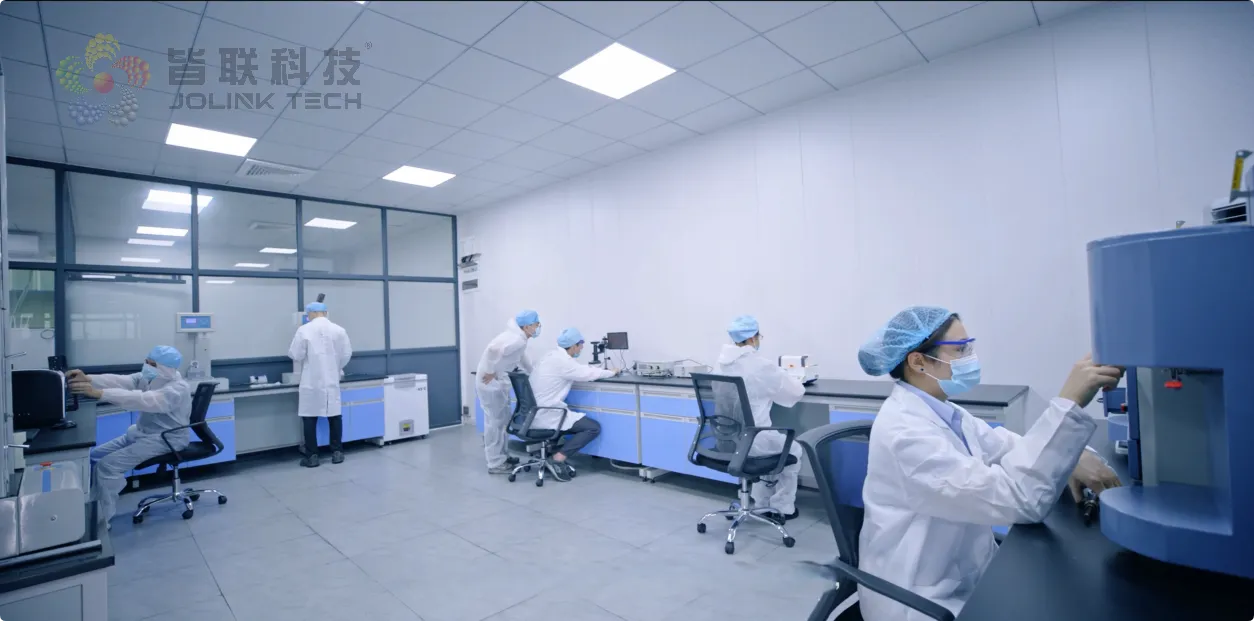
Jolink has manufacturing carbon black masterbatch for over 30 years from a 20,000 m² facility with 30,000 tonnes of annual capacity,
exporting to more than 20 countries.The product range is covered by 40+ patents.
WM3F is classified under HS code 32064990.00.
FAQ — Black Masterbatch for Water Supply Pipe
How much WM3F is needed to reach 2.0–2.5% carbon black in the HDPE water pipe?
At 45% carbon black content, WM3F is added at approximately 4.5–5.6% when the base resin contains no carbon black of its own.
If your PE 80 or PE 100 base compound is already partly black, deduct its carbon black contribution first.
Send us the base resin data sheet and the standard you are working to — ISO 4427, EN 12201, ISO 8779 or a national equivalent , we will return the exact addition rate.
Does WM3F meet the dispersion requirement of ISO 4427 and EN 12201?
Both standards require black PE compounds to reach dispersion grade of 3 or better on the ISO 18553 scale, where lower number means better dispersion.
WM3F is specified at ≤ Level 2.5.
Note that these requirements apply to the finished compound, so dispersion should also be verified on your extruded pipe through your own routine testing.
We supply masterbatch dispersion data to support your incoming inspection.
Can WM3F be used for PP pipe and drip irrigation tape as well as HDPE?
Yes but need to test by your own equipment.
WM3F is compatible with PE and PP and is used in water supply pipe, drip irrigation tape, corrugated pipe and blown film.
Recommended dosage in blown film is 4.0–8.0%; in pipe and profile extrusion 1.0–4.0%, adjusted to your carbon black target.
The data sheet quotes melt flow index at 190 °C / 10 kg. How should I read that figure?
Melt flow index is only comparable at the same temperature and load.
WM3F is quoted under ISO 1133 Condition F (190 °C / 10 kg).
A figure measured at 190 °C / 21.6 kg (Condition G) or 190 °C / 2.16 kg (Condition D) will be very different for the same polymer,
because the higher load drives faster flow. Always confirm the test condition before comparing grades.
If your incoming inspection uses different condition, tell us which one and we will supply the matching test data.
Do you accept OEM orders and custom specifications?
Yes. Carbon black content, carrier resin and additive package are set per grade.
Tell us your target pipe grade and the standard you are working to, and we will confirm what is available. OEM and private-label packaging are accepted.
Packing and Storage
25kg/bag, PE or Composite Paper bag
Stored under dry, enclosed and cool conditions, protected from UV rays and/or direct sunlight. After used, the opened packaging must be resealed properly to prevent the product from absorbing moisture, which could affect its performance.
Note
The technical results are typical values and are provided for customer reference only. They are not to be regarded as a guarantee of minimum or maximum quality specifications.
|
Introduction
WM3F is produced by unique process in which carbon black is pre-dispersed, then compounded with the basic resin through plastication. It is widely used in water supply pipe,drip irrigation pipe,corrugated pipe and film blowing applications. Suitable for PP and PE materials. It features low dosage, high blackness, good brightness, excellent heat resistance, outstanding dispersibility and tinting power, minimal impact on the physical properties of the final product.
Technical Parameter
| Carbon Content | 44-46.5% | Pre-dispersed carbon black and compounded by plastication |
| Carrier | PE | Compatible with PE、PP base materials |
| MFI | 1-10 (g/ 10min(190℃ 10kg) | ISO 1133 F, 190 °C/ 10 kg |
| Moisture | ≤0.15% | Measured as delivered and sealed packaging |
| Dispersion | Excellent (≤ Level 2.5) | ISO 18553 (lower grade indicates better dispersion) |
| Compliance | RoHS,PAHs,REACH | Declarations supplied on request |
| Application | Water supply pipe/Drip tape/Corrugated Pipes Blow film (courier bags) | Only one grade across multiple production lines |
| Dosage Advice | Film blowing: 4.0–8.0% Extrusion: 1.0–4.0% | Adjusted to the carbon black target of the finished pipe /Blown film, courier bags and similar thin-wall products |
| OEM | Accepted | Carbon black content and carrier specified per request |
Pre-dispersed carbon black, engineered for single-screw pipe extruders
Pipe producution lines are single-screw extruders with short residence time and limited mixing intensity. Carbon black remains in colloidal form even when molten,
so how wellit was dispersed before it reached your hopper largely determines what happened at the die.
The carbon black of WM3F is pre-dispersed and compounded with the carrier resin by plastication,
which is why the grade provide high blackness and strong tinting power at low dosage rather than relying on your screw to finish the job.
Moisture stay at ≤0.15%
Water vapor in masterbatch flashes to steam inside the extruder barrel. The result is micro-voids, pinholes and silver streaks in the pipe wall , defects sitting directly in the load path of the pressurized pipe.
WM3F keep <0.15% moisture in the sealed 25 kg bags, well below the <0.50% ceiling commonly quoted on pipe grade datasheets. Under normal storage no pre-drying is required.
One grade across pipe, drip tape, corrugated pipe and blown film
WM3F is compatible with both PE and PP, so a converter running water supply pipe, drip irrigation tape, corrugated pipe and blown film can hold with the single grade in stock and adjust dosage per product instead of changing material.
Why WM3F Is Specified for Water Supply Pipe ?
Dispersion is specified as a number, not an adjective, masterbatch can look perfectly black and still fail in pressure pipe. The parameter that decides whether carbon black
protects the pipe wall or damages it is dispersion. WM3F is specified at ≤Level 2.5 on the ISO 18553 scale , inside the≤ grade 3 limit that ISO 4427 and EN 12201 set for black PE compounds.
Undispersed carbon black agglomerates act as stress concentration points that can initiate slow crack growth under sustained internal pressure, so we publish the
measured grade instead of describing dispersion as "good" only.
Dosage and Carbon Black Content in the Finished Pipe
ISO 4427 and EN 12201 require black PE water pipe compounds to contain 2.0-2.5% carbon black by mass, tested to ISO 6964, with a dispersion grade of 3 or better.
ISO 8779 applies the same carbon black window to PE irrigation pipe. How much WM3F you need depends on how much carbon black your base resin already carries.
| WM3F dosage in the compound | Carbon black introduced into the pipe wall |
| 1.0% | 0.45% |
| 2.0% | 0.90% |
| 3.0% | 1.35% |
| 4.0% | 1.80% |
| 4.5% | 2.03% |
| 5.0% | 2.25% |
| 5.5% | 2.48% |
Calculating at 45% carbon black, the nominal mid point of the 44-46.5% specification.
Read together: across the 1.0-4.0% extrusion dosage range WM3F provides coloring and partial UV protection , the right level when the base resin already supplies part of the carbon black load.
Where a natural, carbon-black-free base resin must reach the 2.0-2.5% specification, WM3F is added at approximately 4.5-5.6%.
Two points worth keeping in mind. Carbon black above roughly 3% by mass brings no further UV benefit and raises the risk of agglomeration and loss of impact strength, more masterbatch is not more protection.
And oxidation induction time (OIT, ISO 11357-6) is governed mainly by the antioxidant package in your base compound rather than by the masterbatch itself.
Send us your base resin grade and datasheet, also the standard you are working to, we will calculate the exact addition rate for your line. https://www.jolink-masterbatches.com/contact-us
How Carbon Black Protects PE Pipe Wall from UV Degradation
1st : UV absorption
Carbon black absorbs UV-A and UV-B radiation across the 280-400 nm band and dissipates the energy as heat. Intercepting photons before they reach the polymer chain prevents the free-radical chain scission
that causes surfacechalking, embrittlement and loss of elongation.
2nd : Radical scavenging
Surface functional groupson the carbon black particles intercept free radicals that form below the fully shielded outer layer, extending protection into the sub-surface zone rather than relying on a single absorbing
skin.
3rd : Thermal buffering
Pipe stored outdoors in direct sun reaches surface temperatures far above ambient. Carbon black's thermal absorption and radical scavenging moderate photo-oxidative and thermal degradation at the same time,
which matters during the weeks or months a pipe spends in open storage before installation.
Note that buried pipe still spends a long period above ground before backfilling, so UV shielding is specified for the whole service life rather than only for the exposed sections.
Processing WM3F in Pipe Extrusion
| Process parameter | Guidance |
| Barrel temperature | 190-220 °C, the standard HDPE pipe compound window |
| Feeding | Hopper dry-blend; a gravimetric feeder holds dosage accuracy across long runs and shift changes |
| Dosage at the 2.25% carbon black target | 50 kg WM3F per 1,000 kg compound— introduces 22.5kg carbon black and 27.5 kg PE carrier per tonne of pipe |
| Screen pack and die | No die modification required; pre-dispersed carbon black passes standard pipe screen packs without pressure instability |
| Pre-drying | Not required as delivered (<0.15% moisture). If opened bags have been stored above 70% RH for an extended period, pre-dry at 70 °C for 2 hours |
| Color verification | Cut a cross-section chip at the start of each run and confirm uniform black through the wall before committing to full production |
| Purging | Standard PE purge; the PE carrier clears from screw and die within a normal pipe-length purge |
Compliance, Quality and Supply
WM3F is RoHS, REACH and PAHs compliant black masterbatch. Technical data sheet, safety data sheet, batch test data and compliance declarations are issued with your order as request.
Jolink has manufacturing carbon black masterbatch for over 30 years from a 20,000 m² facility with 30,000 tonnes of annual capacity,
exporting to more than 20 countries.The product range is covered by 40+ patents.
WM3F is classified under HS code 32064990.00.
FAQ — Black Masterbatch for Water Supply Pipe
How much WM3F is needed to reach 2.0–2.5% carbon black in the HDPE water pipe?
At 45% carbon black content, WM3F is added at approximately 4.5–5.6% when the base resin contains no carbon black of its own.
If your PE 80 or PE 100 base compound is already partly black, deduct its carbon black contribution first.
Send us the base resin data sheet and the standard you are working to — ISO 4427, EN 12201, ISO 8779 or a national equivalent , we will return the exact addition rate. https://www.jolink-masterbatches.com/contact-us
Does WM3F meet the dispersion requirement of ISO 4427 and EN 12201?
Both standards require black PE compounds to reach dispersion grade of 3 or better on the ISO 18553 scale, where lower number means better dispersion.
WM3F is specified at ≤ Level 2.5.
Note that these requirements apply to the finished compound, so dispersion should also be verified on your extruded pipe through your own routine testing.
We supply masterbatch dispersion data to support your incoming inspection.https://www.jolink-masterbatches.com/support
Can WM3F be used for PP pipe and drip irrigation tape as well as HDPE?
Yes but need to test by your own equipment.
WM3F is compatible with PE and PP and is used in water supply pipe, drip irrigation tape, corrugated pipe and blown film.
Recommended dosage in blown film is 4.0–8.0%; in pipe and profile extrusion 1.0–4.0%, adjusted to your carbon black target.
The data sheet quotes melt flow index at 190 °C / 10 kg. How should I read that figure?
Melt flow index is only comparable at the same temperature and load.
WM3F is quoted under ISO 1133 Condition F (190 °C / 10 kg).
A figure measured at 190 °C / 21.6 kg (Condition G) or 190 °C / 2.16 kg (Condition D) will be very different for the same polymer,
because the higher load drives faster flow. Always confirm the test condition before comparing grades.
If your incoming inspection uses different condition, tell us which one and we will supply the matching test data.
Do you accept OEM orders and custom specifications?
Yes. Carbon black content, carrier resin and additive package are set per grade.
Tell us your target pipe grade and the standard you are working to, and we will confirm what is available. OEM and private-label packaging are accepted.https://www.jolink-masterbatches.com/service
Packing and Storage
25kg/bag, PE or Composite Paper bag
Stored under dry, enclosed and cool conditions, protected from UV rays and/or direct sunlight. After used, the opened packaging must be resealed properly to prevent the product from absorbing moisture, which could affect its performance.
Note
The technical results are typical values and are provided for customer reference only. They are not to be regarded as a guarantee of minimum or maximum quality specifications.
Previous: No more data
Related Products
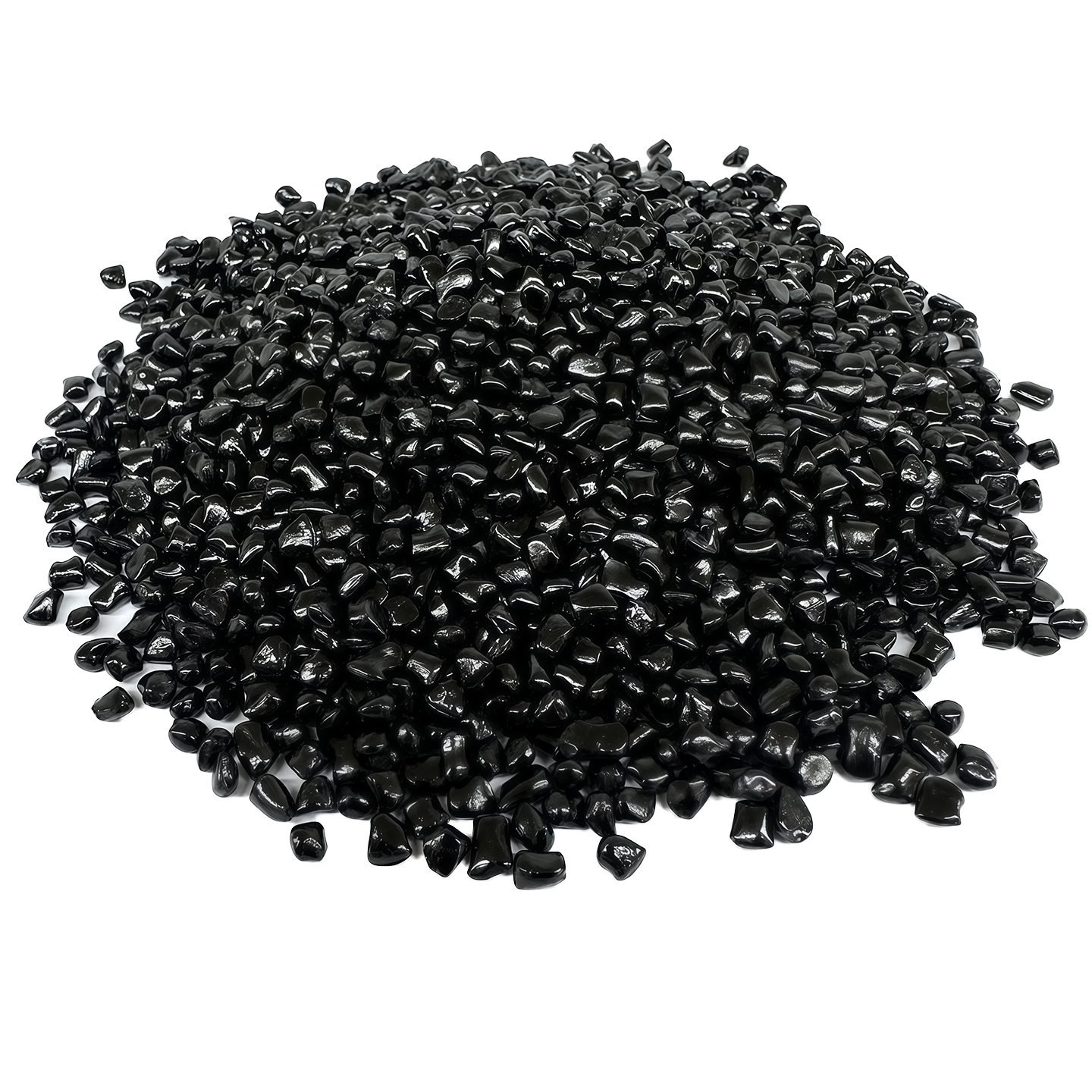
Structure-Enhanced SAN Black Masterbatch WM2A-WM2A
Structure-Enhanced SAN Black Masterbatch WM2A
Introduction WM2A is produced by high-pigment carbon black with AS as carrier and special dispersion agent. Its carbon black is stable and blue-shape grade. Suitable for ABS PC high glossy injection materials, also PPO PPS PA PET etc. thermoplastic ...
Structure-Enhanced PS Black Masterbatch WM626-WM626
Structure-Enhanced PS Black Masterbatch WM626
Introduction WM626 is produced by unique process in which carbon black is pre-dispersed, then compounded with the basic resin through plastication. It is widely used in extrusion and injection applications. Suitable for HIPS materials. It features lo...
Structure-Enhanced PC Black Masterbatch WM6245-WM6245
Structure-Enhanced PC Black Masterbatch WM6245
Introduction WM6245 is produced by unique process in which carbon black is pre-dispersed, then compounded with the basic resin through plastication. It is widely used in extrusion and high glossy injection applications. Suitable for PC ABS/PC materia...
Universal Environmentally Resistant Black Masterbatch WM72-WM72
Universal Environmentally Resistant Black Masterbatch WM72
Introduction WM72 is produced by unique process in which carbon black is pre-dispersed, then compounded with the basic resin through plastication. It is widely used in film blowing and injection applications. Suitable for PP and PE materials. It fea...
Enhanced UV Protection Black Masterbatch WM3F-WM3F
Enhanced UV Protection Black Masterbatch WM3F
Introduction WM3F is produced by unique process in which carbon black is pre-dispersed, then compounded with the basic resin through plastication. It is widely used in water supply pipe,drip irrigation pipe,corrugated pipe and film blowing applicati...
Environmentally Resistant Black Masterbatch WM3E-WM3E
Environmentally Resistant Black Masterbatch WM3E
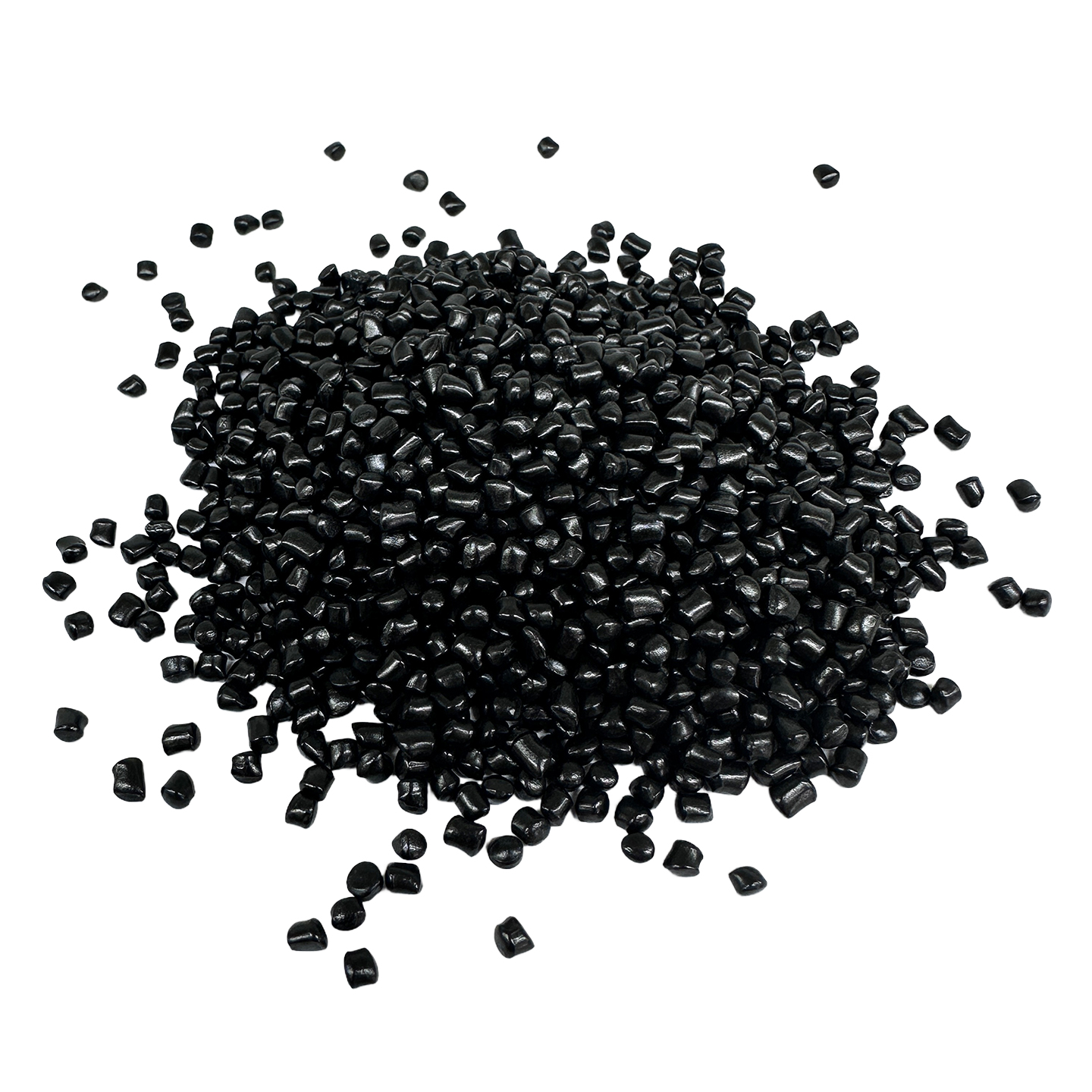
Introduction WM3E is produced by unique process in which carbon black is pre-dispersed, then compounded with the basic resin through plastication. It is widely used in water supply pipe,drip irrigation pipe,corrugated pipe and film blowing applicati...
General Low Carbon Black Masterbatch WME1-WME1
General Low Carbon Black Masterbatch WME1
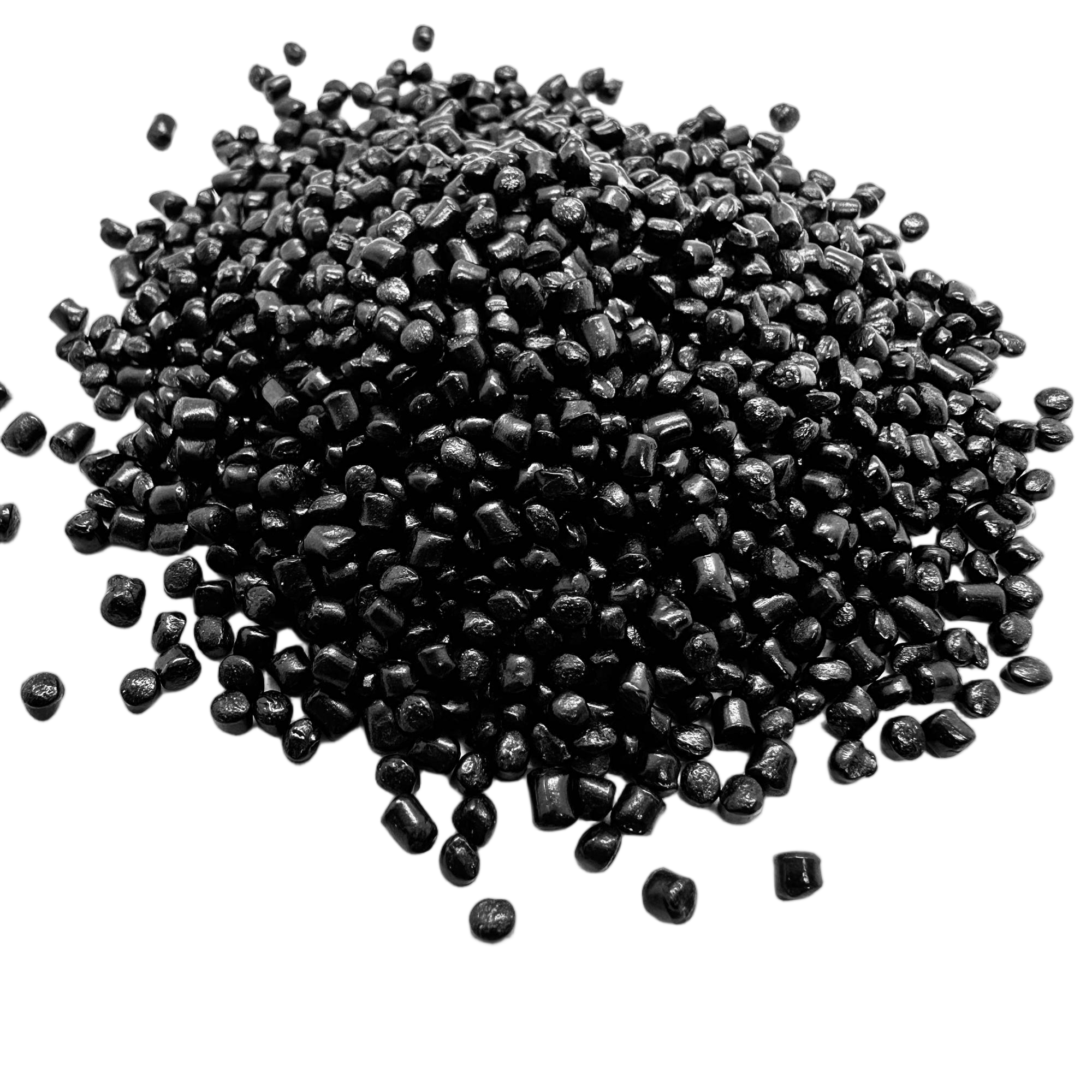
Introduction WME1 is produced by unique process in which carbon black is pre-dispersed, then compounded with the polymer additive through plastication. It is widely used in injection, extrusion pipe and blow film applications. It features low dosage...
Weather-Resistant Black Filler Masterbatch WM307-WM307
Weather-Resistant Black Filler Masterbatch WM307
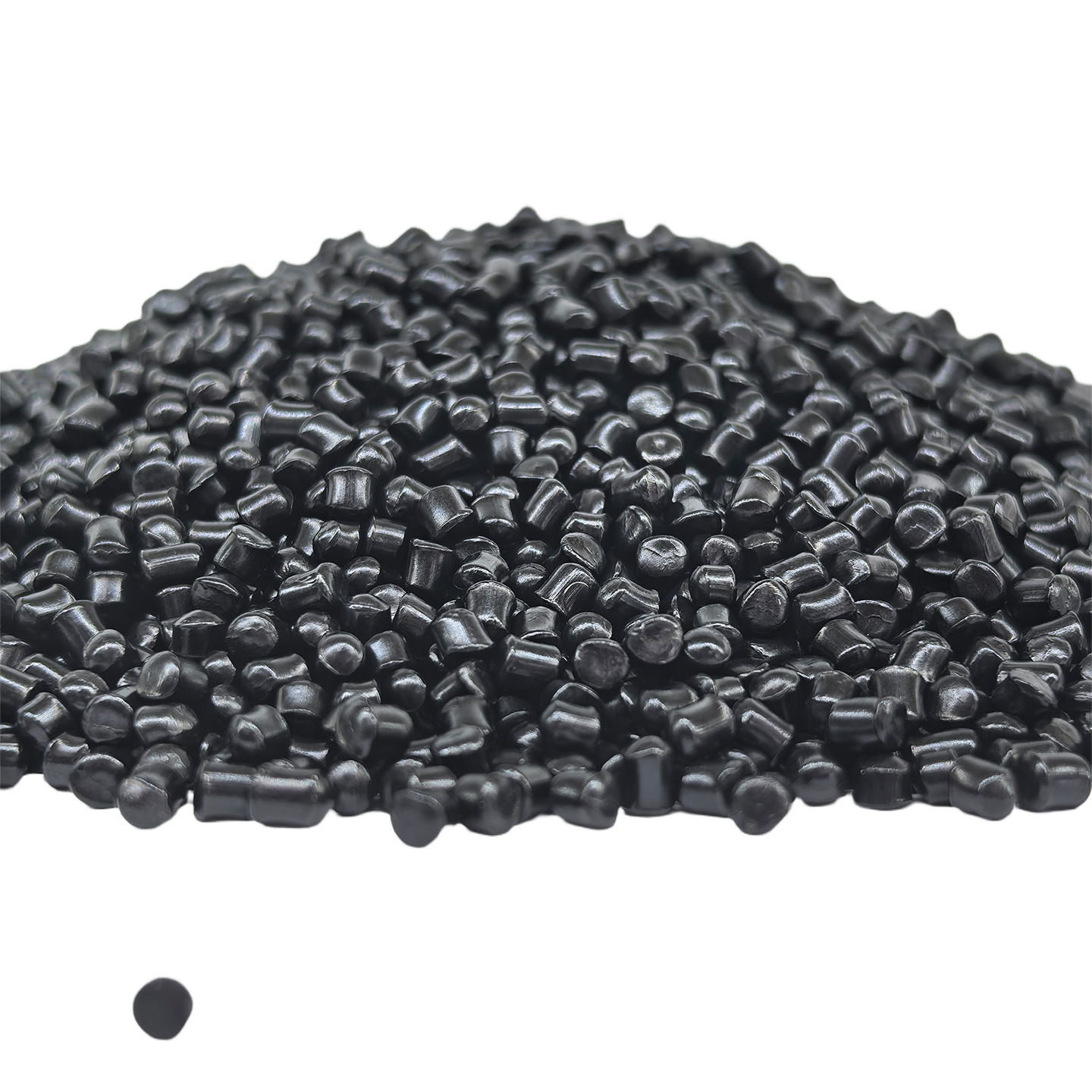
Introduction WM307 is produced by unique process in which carbon black is pre-dispersed, then compounded with the basic resin through plastication. It is widely used in injection, blow film and compounding applications. Suitable for PP, PE materials...
Durable Black Environmentally Friendly Functional Masterbatch WM30-WM30
Durable Black Environmentally Friendly Functional Masterbatch WM30
Introduction WM30 is produced by unique process in which carbon black is pre-dispersed, then compounded with the basic resin through plastication. It is widely used in injection, modified compounding, pipe & sheet applications. Suitable for PP ,PE a...
Environmentally Friendly Black Masterbatch WM101-WM101
Environmentally Friendly Black Masterbatch WM101
Introduction WM101 is produced by polymer additive with pre-dispersed carbon black , then compounded with the basic resin through plastication. It is widely used in injection, pipe, blow film applications. It features low dosage, high blackness, goo...
Black Masterbatch WMF3-WMF3
Black Masterbatch WMF3
Product Original Image Grade: Black Masterbatch WMF3 Carbon: 27-30% Carrier: PE Dispersion: Good Compliance: RoHS, REACH Original Image of Finished Product Applications: Blow Film(garbage bags)/ Conduit/ Injection parts / Extrusion parts Color...
High Concentration Environmentally Friendly Filled Black Masterbatch WM8E-WM8E
High Concentration Environmentally Friendly Filled Black Masterbatch WM8E
Introduction WM8E is produced by unique process in which carbon black is pre-dispersed, then compounded with the basic resin through plastication. It is widely used in film blowing , blowing plastic and injection applications. Suitable for PP and PE...
Universal Courier bag Extrusion Black Masterbatch WM2ADM-WM2ADM
Universal Courier bag Extrusion Black Masterbatch WM2ADM
Introduction WM2ADM is produced by unique process in which carbon black is pre-dispersed, then compounded with the basic resin through plastication. It is widely used in film blowing , blowing plastic and fiber applications. Suitable for PP and PE m...
Stable Dispersion & Excellent Hiding Concentrated Mulch Black Masterbatch WMULCH-1-WMULCH-1
Stable Dispersion & Excellent Hiding Concentrated Mulch Black Masterbatch WMULCH-1
Introduction Mulch film is judged in the field, not in the warehouse. By the time a roll reaches the bed former, three things have already decided how the film will behave for the rest of the season: how much carbon black is genuinely in the film, ...
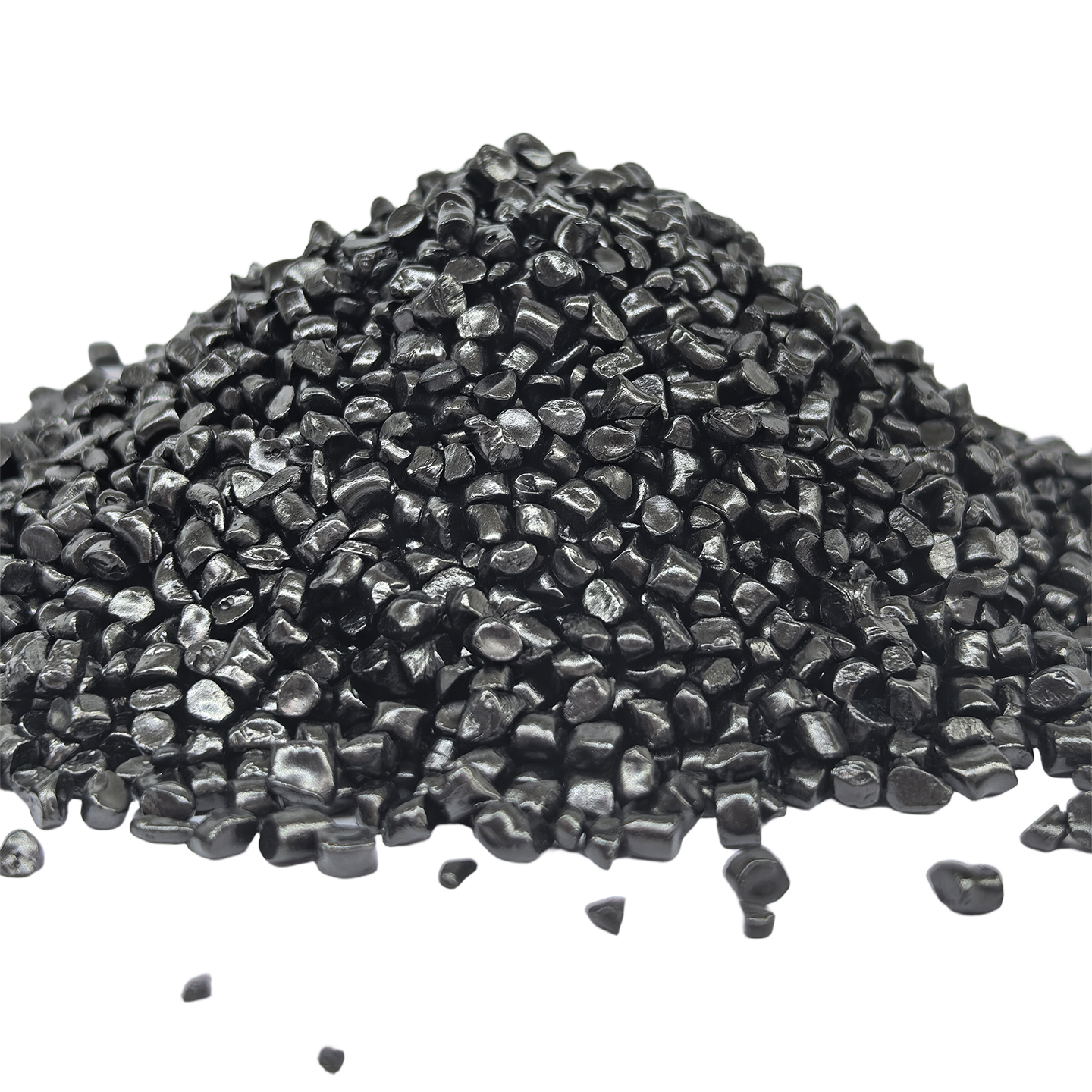
High Concentration Carrier-Free Black Masterbatch WMB34-WMB34
High Concentration Carrier-Free Black Masterbatch WMB34
Introduction WMB34 is produced by unique process in which carbon black is pre-dispersed, then compounded with the basic resin through plastication. It is widely used in injection and modified compounding applications. Suitable for PP PE ABS PA+GF...
Strong And High Pigment Black Masterbatch WM913-WM913
Strong And High Pigment Black Masterbatch WM913
Introduction WM913 is produced by pre-dispersed carbon black with polymer additive, then compounded through plastication. It is widely used in modified compounding applications. Suitable for PP PE ABS PPR ABS HIPS materials. It features low dosage...
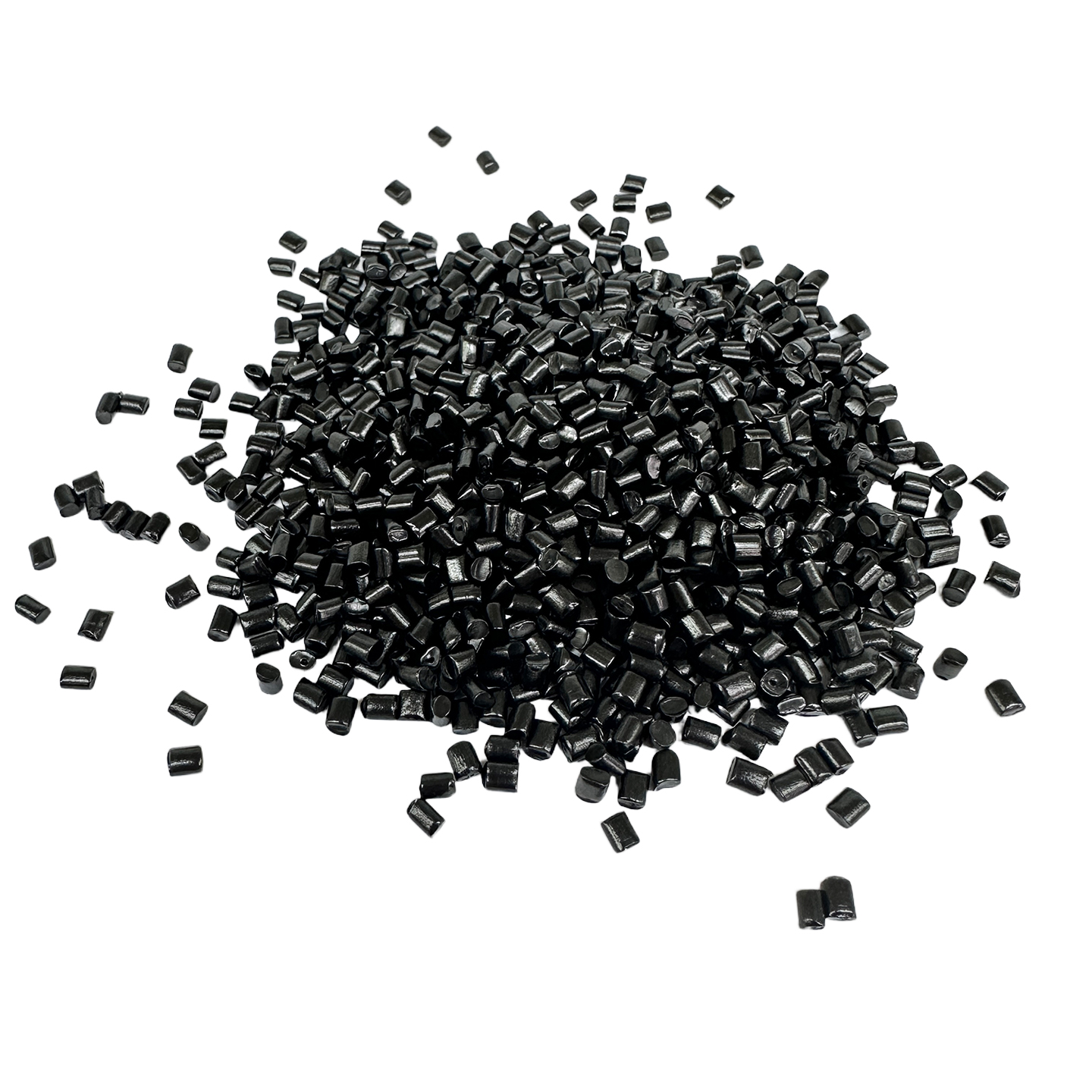
BPA Free & Low Volatile Environmentally Friendly Interior Black Masterbatch WMEG11-WMEG11
BPA Free & Low Volatile Environmentally Friendly Interior Black Masterbatch WMEG11
Introduction WMEG11 is produced by unique process in which carbon black is pre-dispersed, then compounded with the basic resin through plastication. It is widely used in modified compounding and injection applications. Suitable for PP and PE materi...
BPA Free & LFGB Approved food grade Black Masterbatch WMB56-WMB56
BPA Free & LFGB Approved food grade Black Masterbatch WMB56
Introduction WMB56 is produced by unique process in which carbon black is pre-dispersed, then compounded with the basic resin through plastication. It is widely used in injection and extrusion sheet applications. Suitable for ABS AS and PC materials...
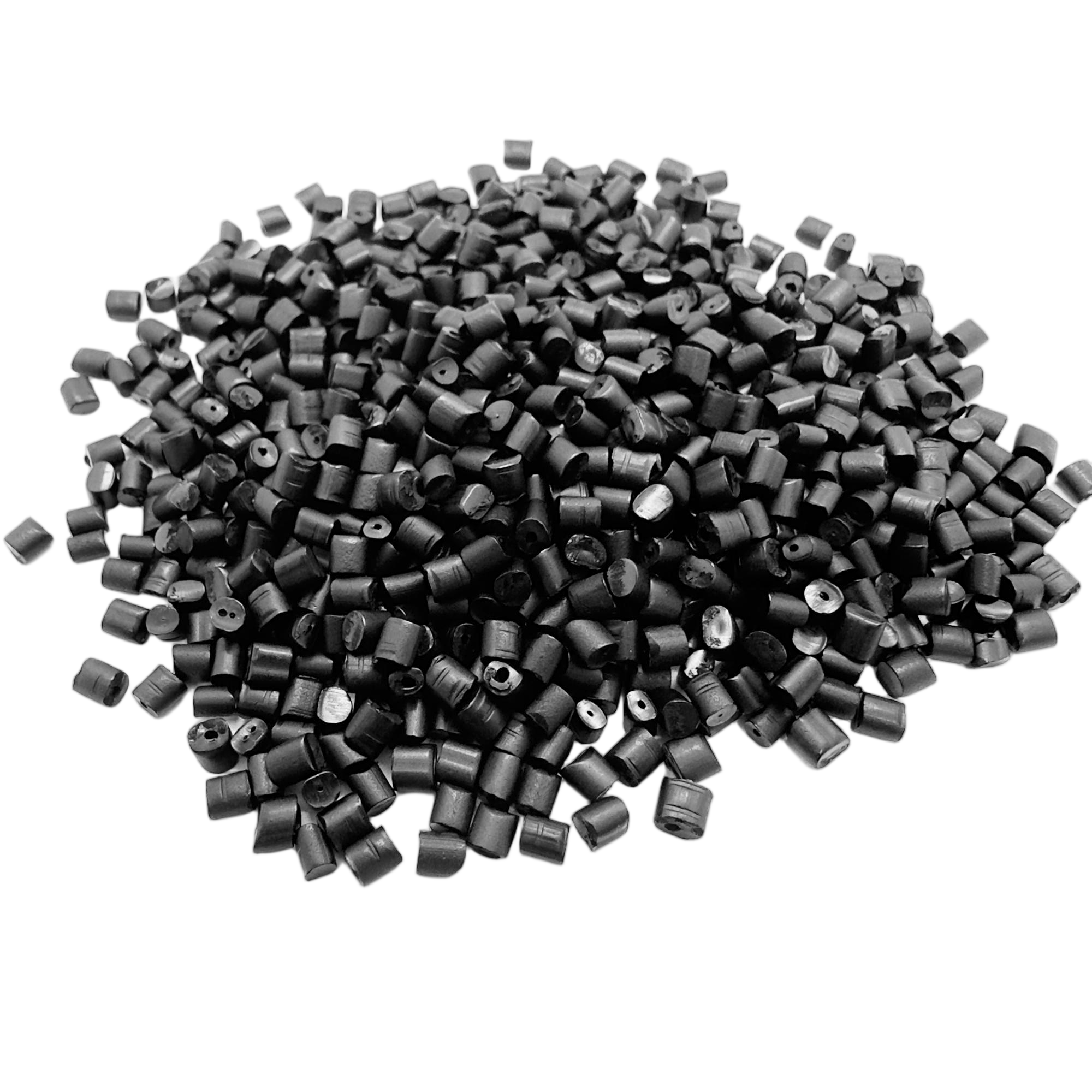
Strong And High Pigment PP Black Masterbatch WM785D-WM785D
Strong And High Pigment PP Black Masterbatch WM785D
Introduction WM785D is produced by unique process in which carbon black is pre-dispersed, then compounded with the basic resin through plastication. It is widely used in modified compounding and injection applications. Suitable for PP and PE materia...
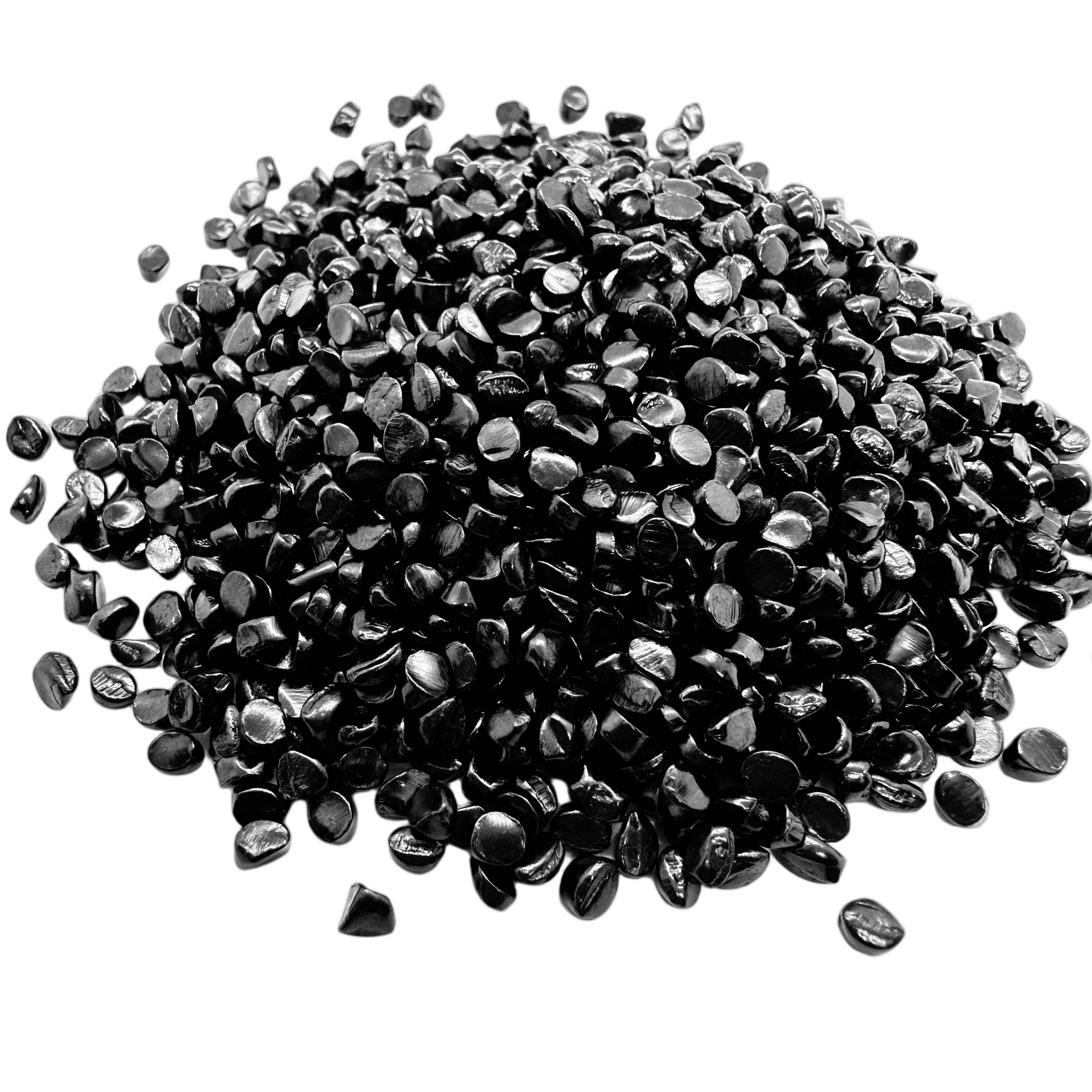
Injection Molding Reinforced Black Masterbatch WM16H (UN2014) -WM16H
Injection Molding Reinforced Black Masterbatch WM16H (UN2014)
Introduction WM16H is produced by pre-dispered carbon black, and then compounded with basic resin. It is widely used in ABS, PC/AS high glossy injection and modifiled compounding applications. Suitable for PP PE PC/ABS GPPS POM GPPS PA+GF materials....
Structure-Enhanced SAN Black Masterbatch WM2A-WM2A
Structure-Enhanced SAN Black Masterbatch WM2A
Introduction WM2A is produced by high-pigment carbon black with AS as carrier and special dispersion agent. Its carbon black is stable and blue-shape grade. Suitable for ABS PC high glossy injection materials, also PPO PPS PA PET etc. thermoplastic ...
Structure-Enhanced PS Black Masterbatch WM626-WM626
Structure-Enhanced PS Black Masterbatch WM626
Introduction WM626 is produced by unique process in which carbon black is pre-dispersed, then compounded with the basic resin through plastication. It is widely used in extrusion and injection applications. Suitable for HIPS materials. It features lo...
Structure-Enhanced PC Black Masterbatch WM6245-WM6245
Structure-Enhanced PC Black Masterbatch WM6245
Introduction WM6245 is produced by unique process in which carbon black is pre-dispersed, then compounded with the basic resin through plastication. It is widely used in extrusion and high glossy injection applications. Suitable for PC ABS/PC materia...
Universal Environmentally Resistant Black Masterbatch WM72-WM72
Universal Environmentally Resistant Black Masterbatch WM72
Introduction WM72 is produced by unique process in which carbon black is pre-dispersed, then compounded with the basic resin through plastication. It is widely used in film blowing and injection applications. Suitable for PP and PE materials. It fea...
Enhanced UV Protection Black Masterbatch WM3F-WM3F
Enhanced UV Protection Black Masterbatch WM3F
Introduction WM3F is produced by unique process in which carbon black is pre-dispersed, then compounded with the basic resin through plastication. It is widely used in water supply pipe,drip irrigation pipe,corrugated pipe and film blowing applicati...
Environmentally Resistant Black Masterbatch WM3E-WM3E
Environmentally Resistant Black Masterbatch WM3E
Introduction WM3E is produced by unique process in which carbon black is pre-dispersed, then compounded with the basic resin through plastication. It is widely used in water supply pipe,drip irrigation pipe,corrugated pipe and film blowing applicati...
General Low Carbon Black Masterbatch WME1-WME1
General Low Carbon Black Masterbatch WME1
Introduction WME1 is produced by unique process in which carbon black is pre-dispersed, then compounded with the polymer additive through plastication. It is widely used in injection, extrusion pipe and blow film applications. It features low dosage...
Weather-Resistant Black Filler Masterbatch WM307-WM307
Weather-Resistant Black Filler Masterbatch WM307
Introduction WM307 is produced by unique process in which carbon black is pre-dispersed, then compounded with the basic resin through plastication. It is widely used in injection, blow film and compounding applications. Suitable for PP, PE materials...
Get Your Free Sample Now
Submit this form and our sales representative will contact you soon.

Contact Us
Tel: +86 757 8118 6668/+86 139 2320 6383
Sales Hotline: +86 139 2320 6383
Address: No. 55, Yong'an Avenue, Guanyao, Shishan Town, Nanhai District, Foshan City, Guangdong Province, China.
Inquire
Copyright © 2026 Guangdong Jolink Technology Co., Ltd.