
SEARCH WHAT YOU WANT
Customized
 |
 |
OEM ODM SERVICE AVAILABLE
Off-the-shelf black masterbatch covers most jobs, and we would rather sell you one of those than develop a grade you do not need.
This page is for the cases it does not cover: a filled or glass-reinforced resin that will not wet out, a wall thin enough that dispersion shows,
a colour your buyer measures against a Pantone number, or a compliance market that rules out the obvious formulation.
We develop the grade around your resin, your machine and your colour target, and every batch is held to the same test values before it ships.
Jolink Tech has compounded masterbatch since 1995, with capacity over 30,000 tonnes a year.
What we develop
Black masterbatch, built around your carrier
Carrier choice decides more than the colour does. A PE-carried black that runs cleanly in blown film disperses differently in a PP homopolymer, and in a glass-filled PA it may not wet out.
We match the carrier to your polymer and set the carbon black loading, from about 20% to 50%,
so your normal let-down ratio reaches the blackness you need. Pipe, film, injection, cable and compounding grades already exist, so most briefs start from something we make.
Browse the black masterbatch range. [→ inline link]
Colour masterbatch, matched to a number you can defend
Send a Pantone reference, a physical chip, or a reading taken from a part you already sell.
Matching starts in the lab and is confirmed on a moulded or extruded sample, because a colour that agrees on a plaque can drift on a thin section or under a different cooling rate.
Results are reported as ΔE, so your QC and ours work from the same number. See the colour masterbatch range. [→ inline link]
Functional and regulated requirements
Custom work often turns on what the part has to survive, whether that is years outdoors, heat cycles, odour in a closed cabin, or static on a tray that carries circuit boards.
We build UV stabilisation into outdoor pipe and irrigation tube grades, low-odour, low-VOC systems for automotive interiors and appliance housings,
antistatic and conductive grades for ESD packaging, and food-contact formulations that meet FDA or European requirements.
Where the application is regulated, we settle the compliance route before we touch the formulation.
How a custom grade gets developed
Brief. Resin and grade, process, colour reference, the let-down your feeders can hold, end use, target market.
Formulation. The lab sets loading or pigment package, carrier and dispersing system, then checks dispersion and melt flow.
Lab sample. A small batch compounded on a twin-screw line, with test data attached for colour difference, melt flow index, dispersion and moisture.
Trial on your machine. This is where the real problems show up: feed bridging at low let-down, plate-out on a die lip, odour after a week in a closed part.
Adjustment and scale-up. One variable at a time, then re-tested. After sign-off, the approved formulation and its process settings go to production, and a retained sample is kept from every batch.
What to send with the enquiry
| What we need | Why it decides the formulation |
| Base resin and grade | Carrier compatibility and wet-out |
| Process | Film, injection, extrusion and cable put different shear on the pigment |
| Colour reference | Pantone number, chip, or a reading from an existing part |
| Let-down ratio | Your feeders set the range; the loading is calculated back from it |
| Your feeders set the range; the loading is calculated back from it | Thin sections show dispersion faults that thick ones hide |
| Compliance market | FDA, EU food contact, RoHS or REACH |
| Volume and packing | Trial quantity, bulk quantity, bag format |
Vague briefs produce vague samples.
What keeps a custom grade stable at volume
- Every batch is tested in our own lab before release, for colour difference, melt flow index, dispersion, filtration pressure value and moisture. A batch that fails on any of them does not leave the plant.
- Screw configurations are set for each formulation, so a recipe sees the same shear history every run. [→ link: What actually happens inside a twin-screw extruder]
- The pelletising route suits the resin. High loadings and heat-sensitive systems go through underwater or water-ring cutting, moisture-sensitive grades through air-ring cutting. Why pellet size stays uniform]
- Retained samples and batch records are kept, so a question raised two years later can still be traced back to its batch
Compliance and documentation
Jolink Tech operates under ISO 9001:2015, ISO 14001 and ISO 45001.
Products pass RoHS, REACH, PAHs, FDA and BPA requirements, and third-party SGS reports cover EN71-3 for toys, FDA, TSCA, SVHC under REACH, halogen content and the Volkswagen-series RoHS specification.
Food-contact and BPA-sensitive work runs in a dedicated clean workshop. See certificates and test reports. [→ inline link]
Tell us the destination market, and we will confirm which documents ship with the order before we sample.
Running a custom grade on your line
Match melt flow, not only colour. A grade with a much lower MFI than your resin sits in the screw and shows up as unmelted specks.
Dry the resin. Masterbatch is normally fed straight from the bag; only moisture-sensitive and conductive systems need drying as well
Meter by weight. At low let-down ratios, a volumetric dosing error is a large share of the total.
Verify the let-down on the machine. Weigh a part and work back to the actual percentage at the start of the run.
Purge before and after black. Black is a one-way colour; agree a routine and write it into the setup sheet.
Frequently asked questions
Can you match a Pantone number or a physical sample? Either one. A physical chip is most reliable, because it carries the surface finish as well as the colour.
How much masterbatch will I need? Let-down ratio is the target carbon black percentage in the finished part divided by the carbon black content of the masterbatch.
A 40% grade added at 2% gives 0.8% in the part. That suits many moulded and extruded parts, but not thin film that has to block light.
Can you work with recycled or PCR resin? Yes, and it is a common brief. Recycled feedstock varies in shade and melt flow, so the masterbatch usually has to cover a moving base colour.
Do you supply compliance documents for our market? Yes, if you tell us the market at the brief stage. Europe and the United States treat food contact differently, and toy applications carry their own requirements under EN71-3.
Is this only for black? Black is the core of the business. Colour work runs on the same lines, covering white and single-colour grades for film, extrusion and moulded parts.
Packaging and storage
Standard packing is 25 kg paper-plastic composite bags, palletised for shipment. Store sealed in a cool, dry place, out of direct sunlight, and rotate stock first in, first out.
Tell us what you are trying to make
Send the resin, the process and the colour reference. If you have a part that failed on another supplier's grade, send that too, because it usually saves a trial round.
Our engineers will come back with a proposed formulation and a sampling plan.
← Related reading: How masterbatch is produced [→ link]
|
OEM ODM SERVICE AVAILABLE
Off-the-shelf black masterbatch covers most jobs, and we would rather sell you one of those than develop a grade you do not need.
This page is for the cases it does not cover: a filled or glass-reinforced resin that will not wet out, a wall thin enough that dispersion shows,
a colour your buyer measures against a Pantone number, or a compliance market that rules out the obvious formulation.
We develop the grade around your resin, your machine and your colour target, and every batch is held to the same test values before it ships.
Jolink Tech has compounded masterbatch since 1995, with capacity over 30,000 tonnes a year.
What we develop
Black masterbatch, built around your carrier
Carrier choice decides more than the colour does. A PE-carried black that runs cleanly in blown film disperses differently in a PP homopolymer, and in a glass-filled PA it may not wet out.
We match the carrier to your polymer and set the carbon black loading, from about 20% to 50%,
so your normal let-down ratio reaches the blackness you need. Pipe, film, injection, cable and compounding grades already exist, so most briefs start from something we make.
Browse the black masterbatch range. [→ inline link]
Colour masterbatch, matched to a number you can defend
Send a Pantone reference, a physical chip, or a reading taken from a part you already sell.
Matching starts in the lab and is confirmed on a moulded or extruded sample, because a colour that agrees on a plaque can drift on a thin section or under a different cooling rate.
Results are reported as ΔE, so your QC and ours work from the same number. See the colour masterbatch range. [→ inline link]
Functional and regulated requirements
Custom work often turns on what the part has to survive, whether that is years outdoors, heat cycles, odour in a closed cabin, or static on a tray that carries circuit boards.
We build UV stabilisation into outdoor pipe and irrigation tube grades, low-odour, low-VOC systems for automotive interiors and appliance housings,
antistatic and conductive grades for ESD packaging, and food-contact formulations that meet FDA or European requirements.
Where the application is regulated, we settle the compliance route before we touch the formulation.
How a custom grade gets developed
Brief. Resin and grade, process, colour reference, the let-down your feeders can hold, end use, target market.
Formulation. The lab sets loading or pigment package, carrier and dispersing system, then checks dispersion and melt flow.
Lab sample. A small batch compounded on a twin-screw line, with test data attached for colour difference, melt flow index, dispersion and moisture.
Trial on your machine. This is where the real problems show up: feed bridging at low let-down, plate-out on a die lip, odour after a week in a closed part.
Adjustment and scale-up. One variable at a time, then re-tested. After sign-off, the approved formulation and its process settings go to production, and a retained sample is kept from every batch.
What to send with the enquiry
| What we need | Why it decides the formulation |
| Base resin and grade | Carrier compatibility and wet-out |
| Process | Film, injection, extrusion and cable put different shear on the pigment |
| Colour reference | Pantone number, chip, or a reading from an existing part |
| Let-down ratio | Your feeders set the range; the loading is calculated back from it |
| Your feeders set the range; the loading is calculated back from it | Thin sections show dispersion faults that thick ones hide |
| Compliance market | FDA, EU food contact, RoHS or REACH |
| Volume and packing | Trial quantity, bulk quantity, bag format |
Vague briefs produce vague samples.
What keeps a custom grade stable at volume
- Every batch is tested in our own lab before release, for colour difference, melt flow index, dispersion, filtration pressure value and moisture. A batch that fails on any of them does not leave the plant.
- Screw configurations are set for each formulation, so a recipe sees the same shear history every run. [→ link: What actually happens inside a twin-screw extruder]
- The pelletising route suits the resin. High loadings and heat-sensitive systems go through underwater or water-ring cutting, moisture-sensitive grades through air-ring cutting. Why pellet size stays uniform]
- Retained samples and batch records are kept, so a question raised two years later can still be traced back to its batch
Compliance and documentation
Jolink Tech operates under ISO 9001:2015, ISO 14001 and ISO 45001.
Products pass RoHS, REACH, PAHs, FDA and BPA requirements, and third-party SGS reports cover EN71-3 for toys, FDA, TSCA, SVHC under REACH, halogen content and the Volkswagen-series RoHS specification.
Food-contact and BPA-sensitive work runs in a dedicated clean workshop. See certificates and test reports. [→ inline link]
Tell us the destination market, and we will confirm which documents ship with the order before we sample.
Running a custom grade on your line
- Match melt flow, not only colour. A grade with a much lower MFI than your resin sits in the screw and shows up as unmelted specks.
- Dry the resin. Masterbatch is normally fed straight from the bag; only moisture-sensitive and conductive systems need drying as well.
- Meter by weight. At low let-down ratios, a volumetric dosing error is a large share of the total.
- Verify the let-down on the machine. Weigh a part and work back to the actual percentage at the start of the run.
- Purge before and after black. Black is a one-way colour; agree a routine and write it into the setup sheet.
Frequently asked questions
Can you match a Pantone number or a physical sample? Either one. A physical chip is most reliable, because it carries the surface finish as well as the colour.
How much masterbatch will I need? Let-down ratio is the target carbon black percentage in the finished part divided by the carbon black content of the masterbatch.
A 40% grade added at 2% gives 0.8% in the part. That suits many moulded and extruded parts, but not thin film that has to block light.
Can you work with recycled or PCR resin? Yes, and it is a common brief. Recycled feedstock varies in shade and melt flow, so the masterbatch usually has to cover a moving base colour.
Do you supply compliance documents for our market? Yes, if you tell us the market at the brief stage. Europe and the United States treat food contact differently, and toy applications carry their own requirements under EN71-3.
Is this only for black? Black is the core of the business. Colour work runs on the same lines, covering white and single-colour grades for film, extrusion and moulded parts.
Packaging and storage
Standard packing is 25 kg paper-plastic composite bags, palletised for shipment. Store sealed in a cool, dry place, out of direct sunlight, and rotate stock first in, first out.
Tell us what you are trying to make
Send the resin, the process and the colour reference. If you have a part that failed on another supplier's grade, send that too, because it usually saves a trial round.
Our engineers will come back with a proposed formulation and a sampling plan.
← Related reading: How masterbatch is produced [→ link]
Previous: White Masterbatch WMY116
Next: No more data
Related Products
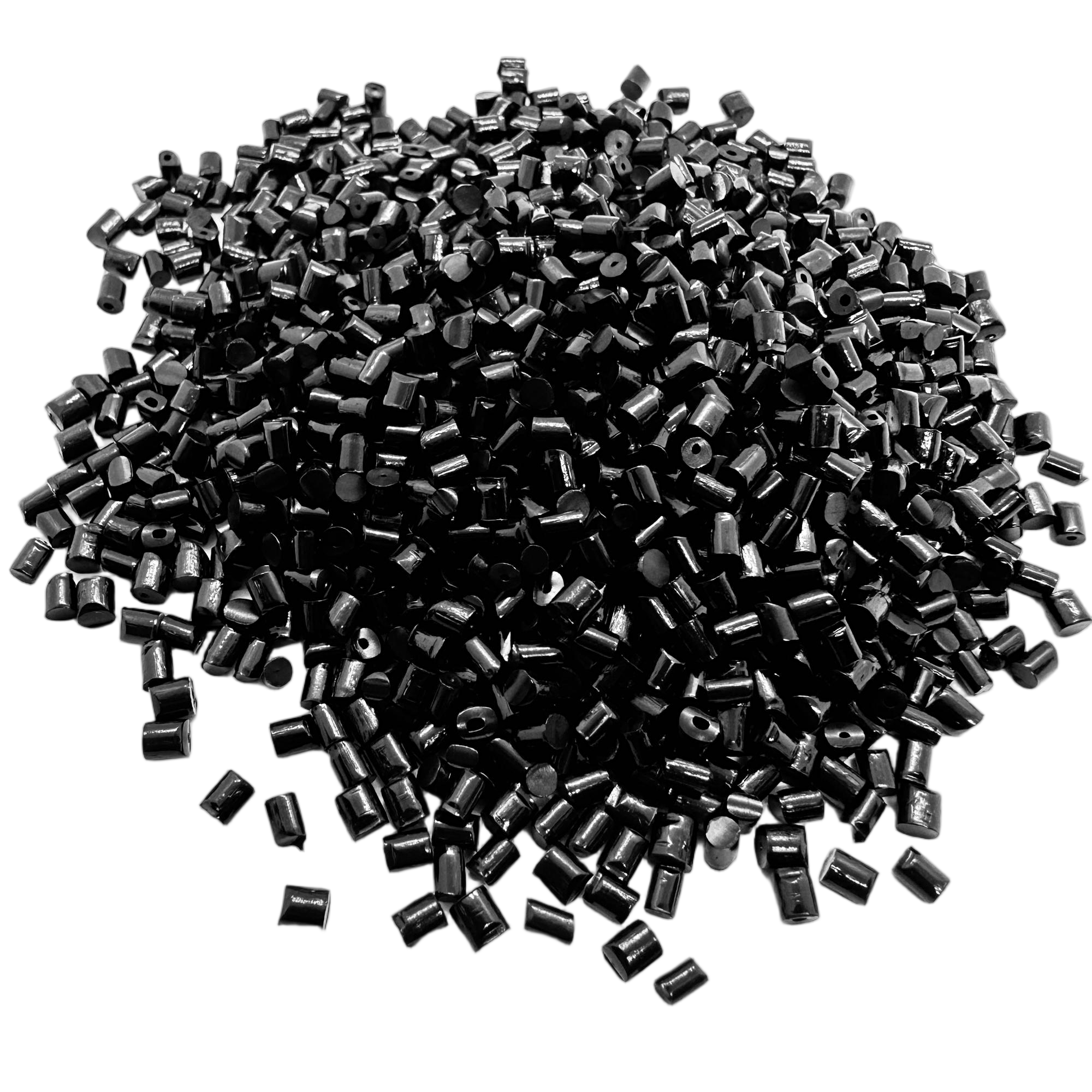
Structure-Enhanced PC Black Masterbatch WM6245-WM6245
Structure-Enhanced PC Black Masterbatch WM6245
Introduction WM6245 is produced by unique process in which carbon black is pre-dispersed, then compounded with the basic resin through plastication. It is widely used in extrusion and high glossy injection applications. Suitable for PC ABS/PC materia...
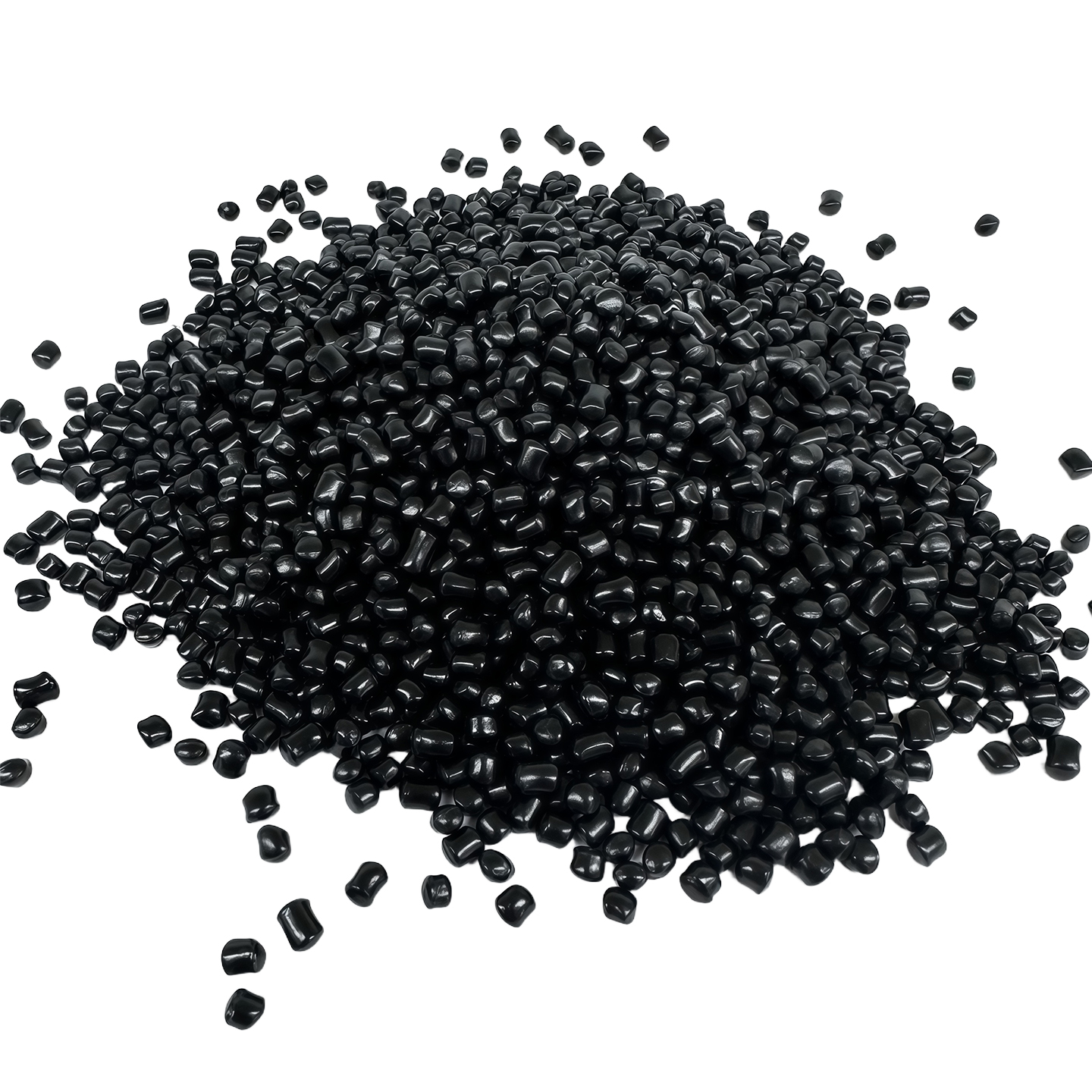
Universal Environmentally Resistant Black Masterbatch WM72-WM72
Universal Environmentally Resistant Black Masterbatch WM72
Introduction WM72 is produced by unique process in which carbon black is pre-dispersed, then compounded with the basic resin through plastication. It is widely used in film blowing and injection applications. Suitable for PP and PE materials. It fea...
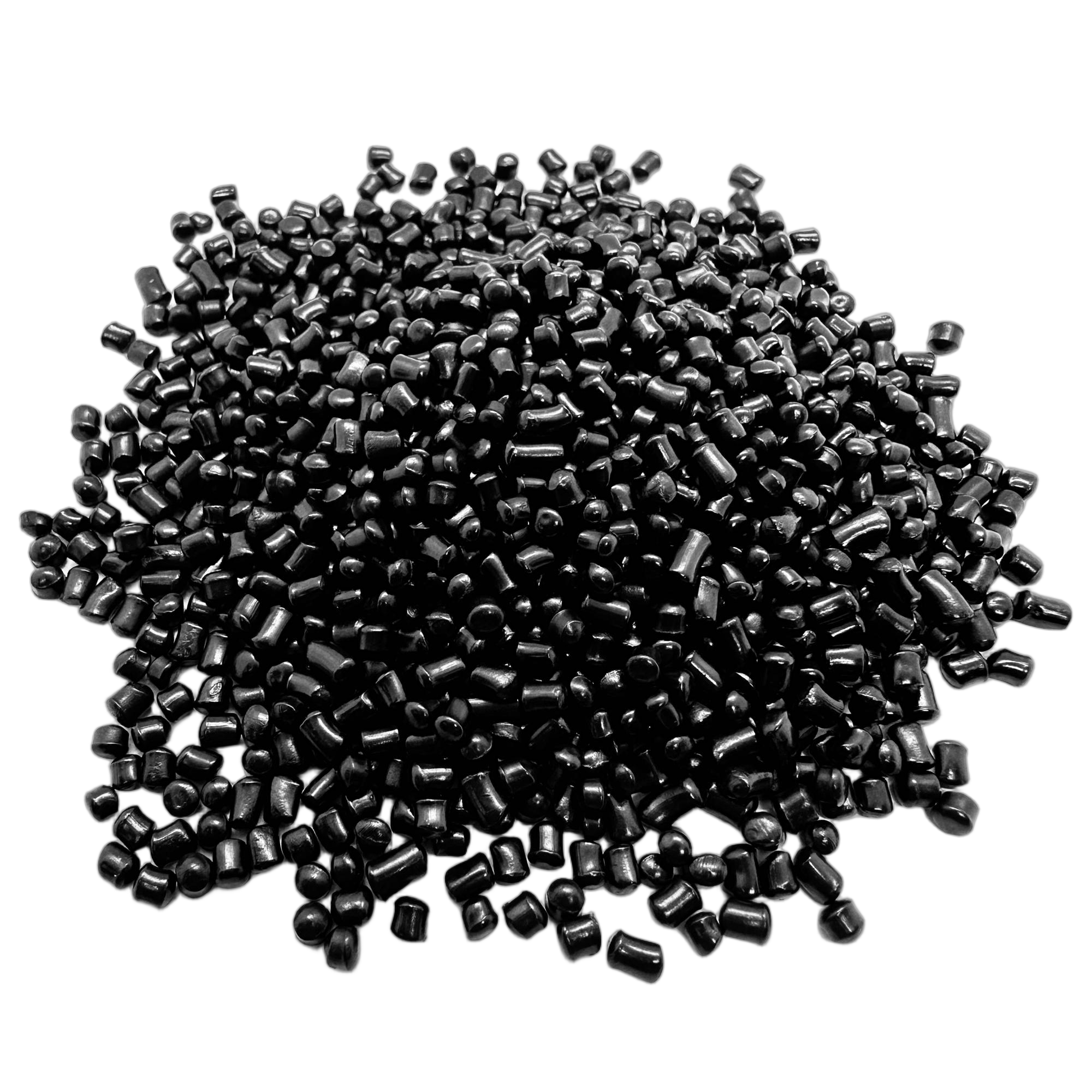
Environmentally Friendly FDA approved & food grade Black Masterbatch WM70E2-WM70E2
Environmentally Friendly FDA approved & food grade Black Masterbatch WM70E2
Introduction WM70E2 is produced by unique process in which carbon black is pre-dispersed, then compounded with the basic resin through plastication. It is widely used in injection (both general and thin wall injection), blow molding and extrusion sh...
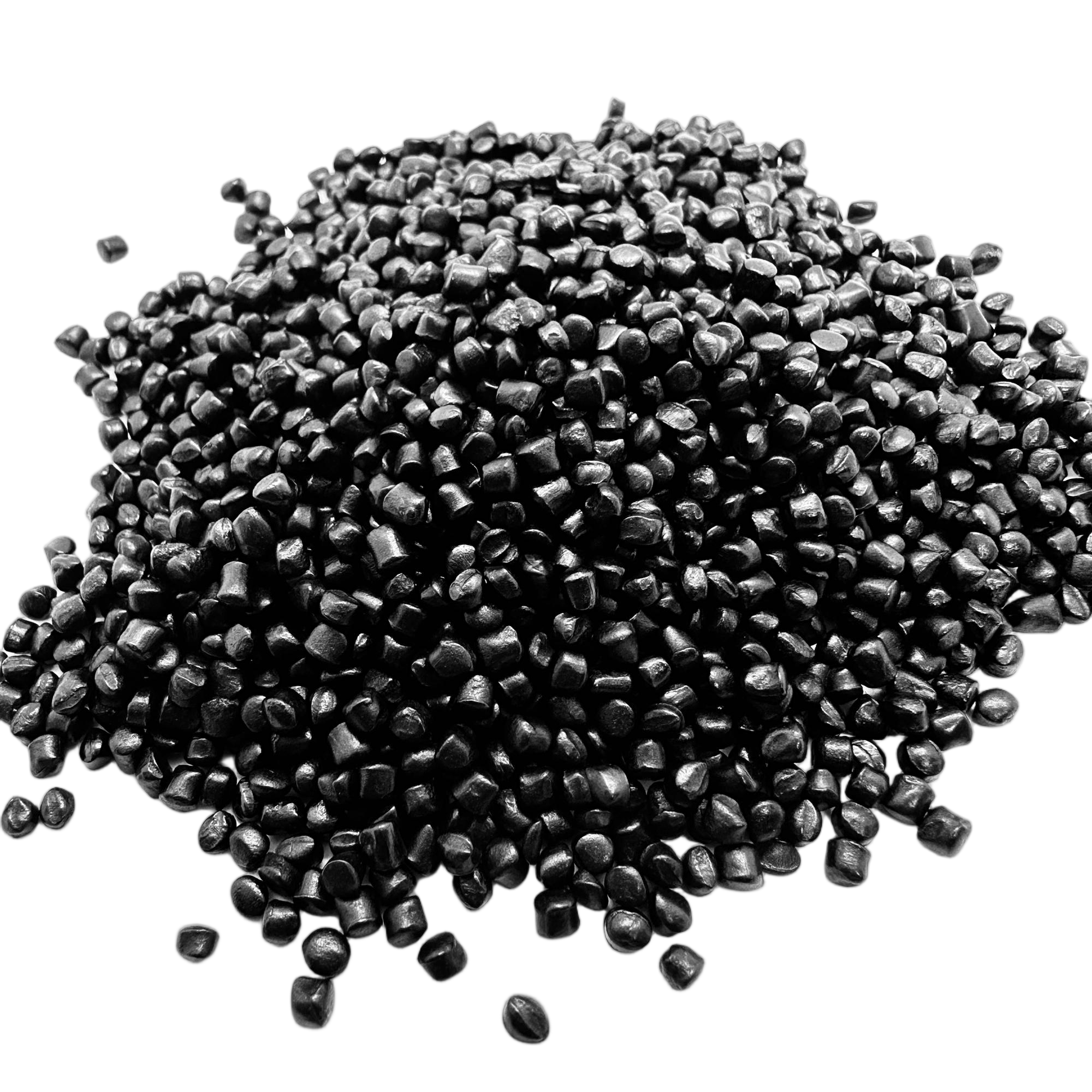
Low Volatile & High Concentration Environmentally Friendly Filled Black Masterbatch WM261YF-WM261YF
Low Volatile & High Concentration Environmentally Friendly Filled Black Masterbatch WM261YF
Introduction WM261YF is produced by unique process in which carbon black is pre-dispersed, then compounded with the basic resin through plastication. It is widely used in injection and modified compounding applications. Suitable for PP PE materials....
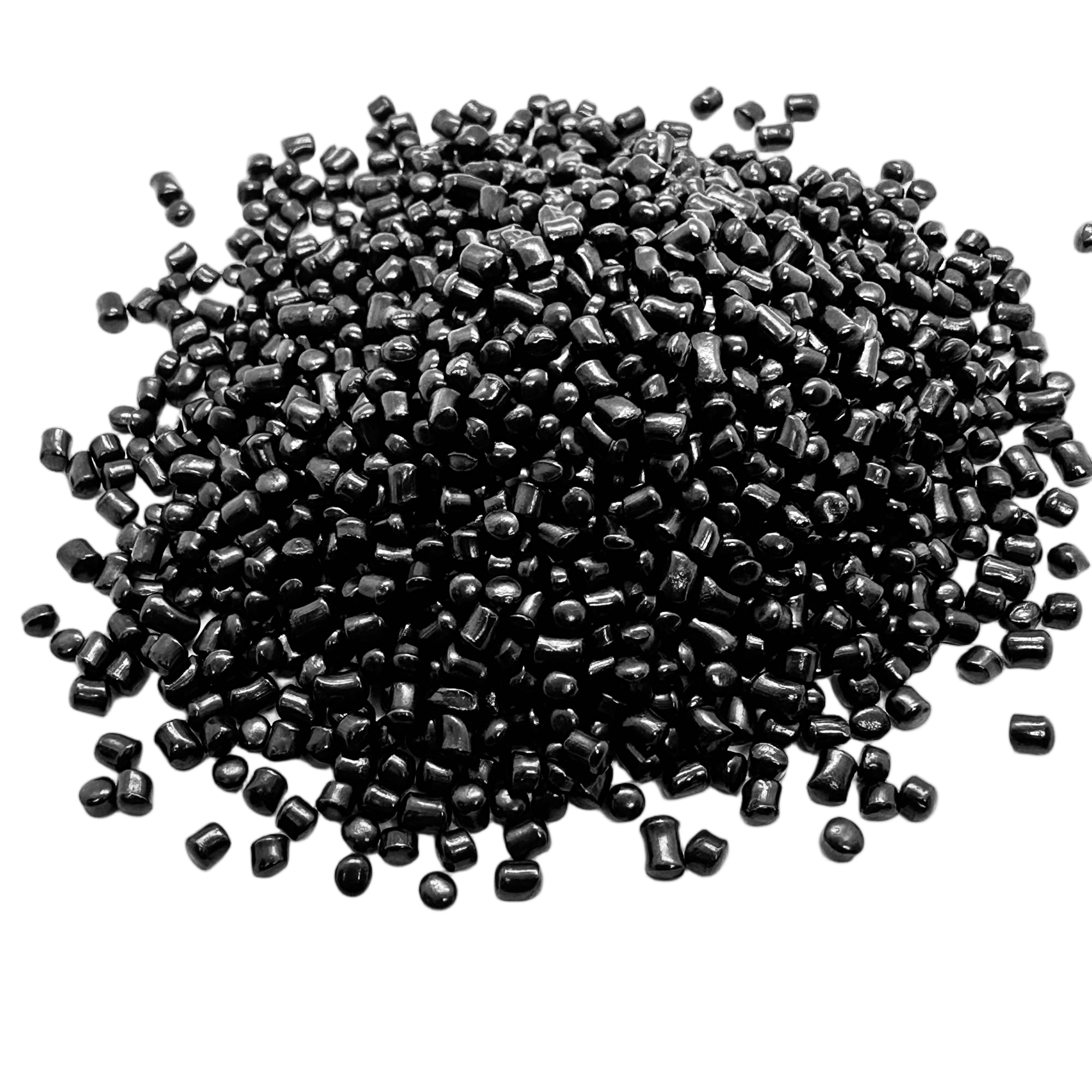
Environmentally Resistant Black Masterbatch WM3F-WM3F
Environmentally Resistant Black Masterbatch WM3F
Introduction WM3F is produced by unique process in which carbon black is pre-dispersed, then compounded with the basic resin through plastication. It is widely used in water supply pipe,drip irrigation pipe,corrugated pipe and film blowing applicati...
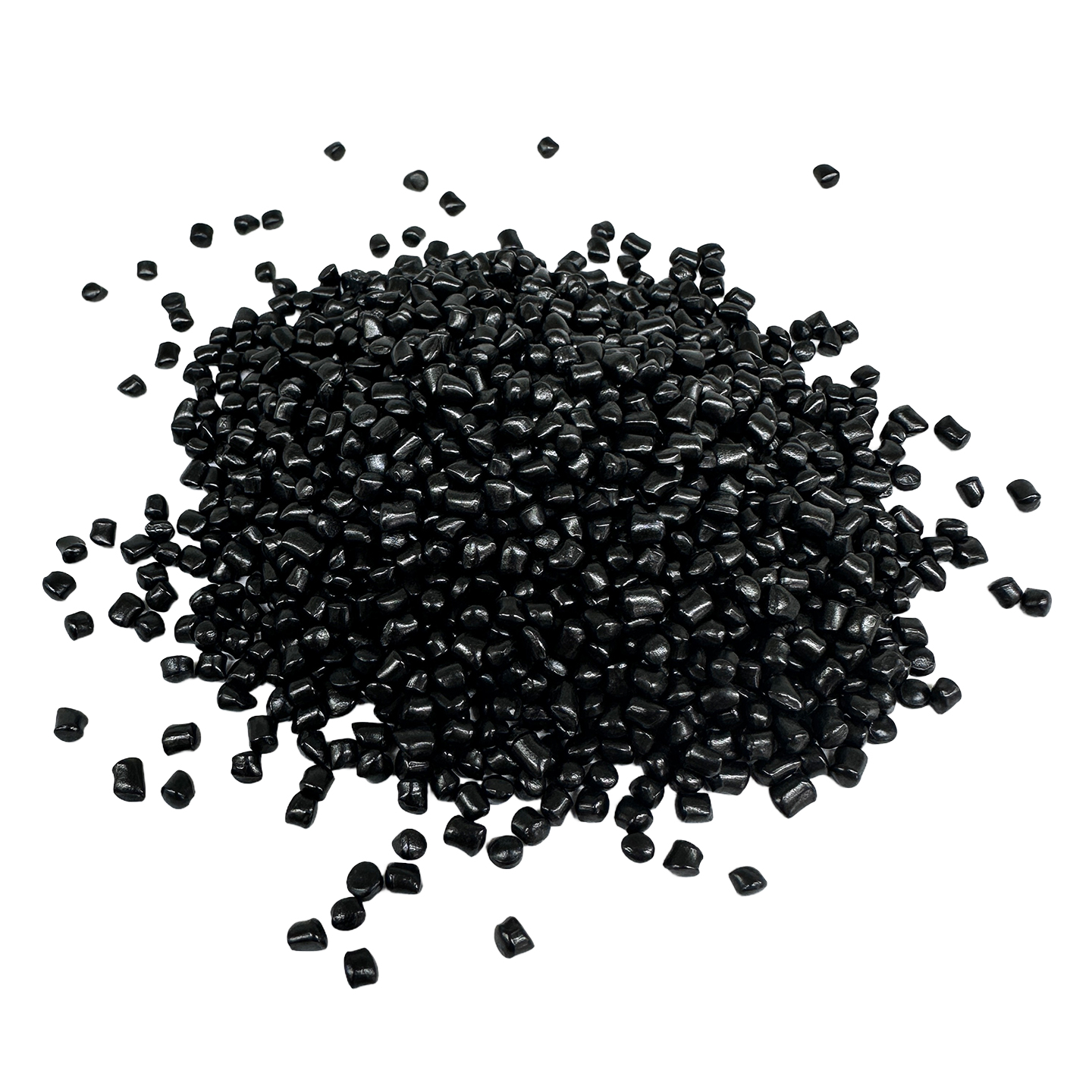
General Low Carbon Black Masterbatch WME1-WME1
General Low Carbon Black Masterbatch WME1
Introduction WME1 is produced by unique process in which carbon black is pre-dispersed, then compounded with the polymer additive through plastication. It is widely used in injection, extrusion pipe and blow film applications. It features low dosage...
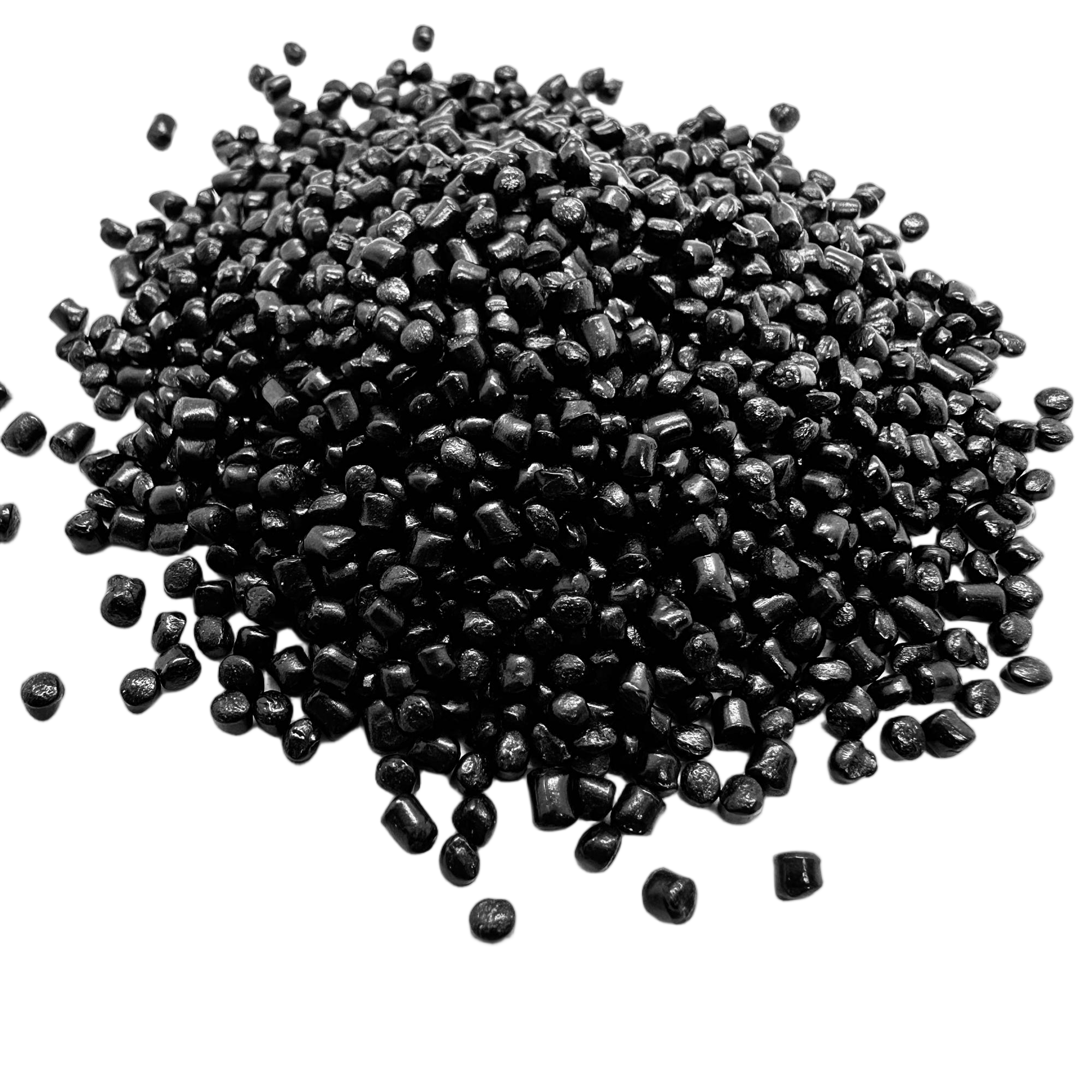
Weather-Resistant Black Filler Masterbatch WM307-WM307
Weather-Resistant Black Filler Masterbatch WM307
Introduction WM307 is produced by unique process in which carbon black is pre-dispersed, then compounded with the basic resin through plastication. It is widely used in injection, blow film and compounding applications. Suitable for PP, PE material...
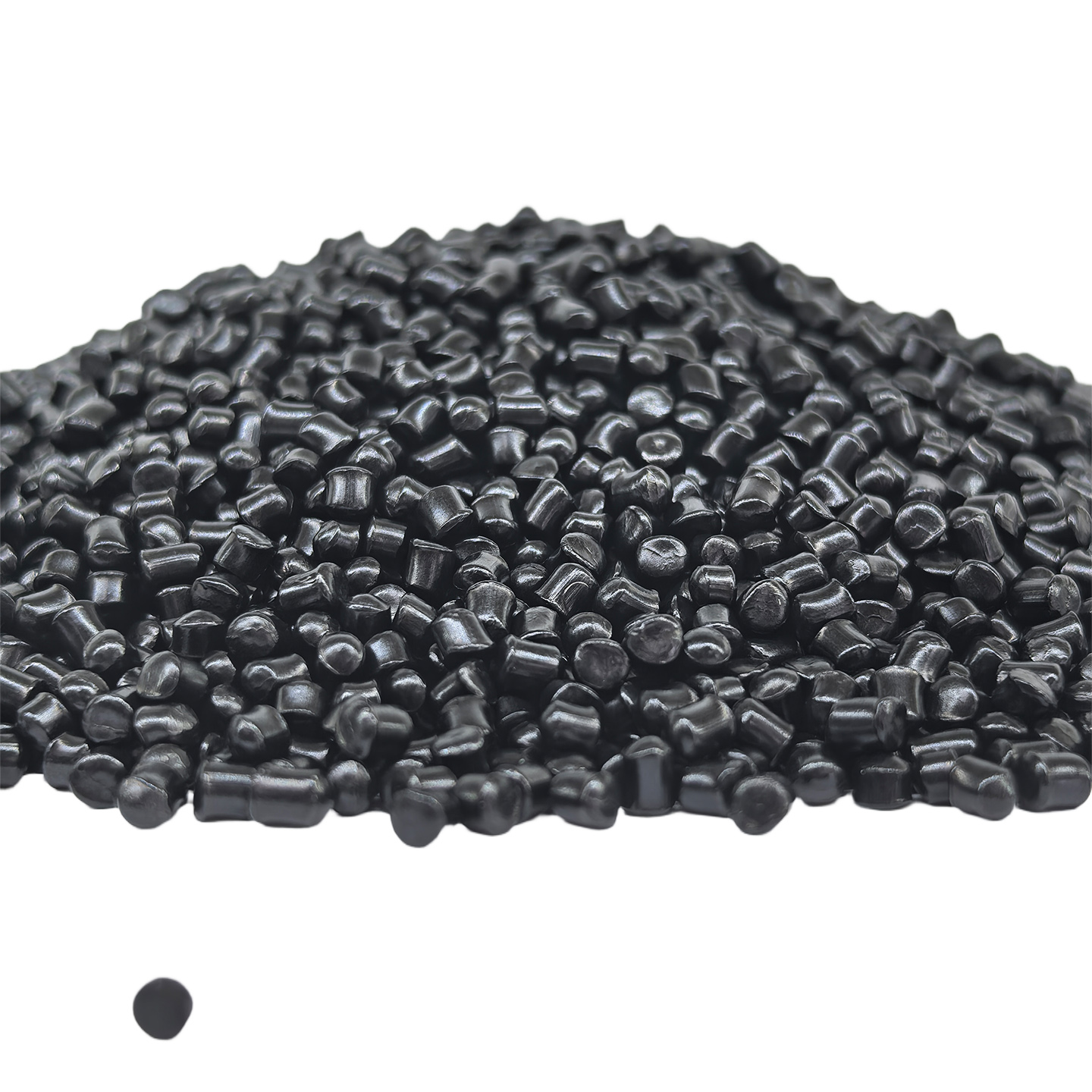
Durable Black Environmentally Friendly Functional Masterbatch WM30-WM30
Durable Black Environmentally Friendly Functional Masterbatch WM30
Introduction WM30 is produced by unique process in which carbon black is pre-dispersed, then compounded with the basic resin through plastication. It is widely used in injection, modified compounding, pipe & sheet applications. Suitable for PP ,PE a...
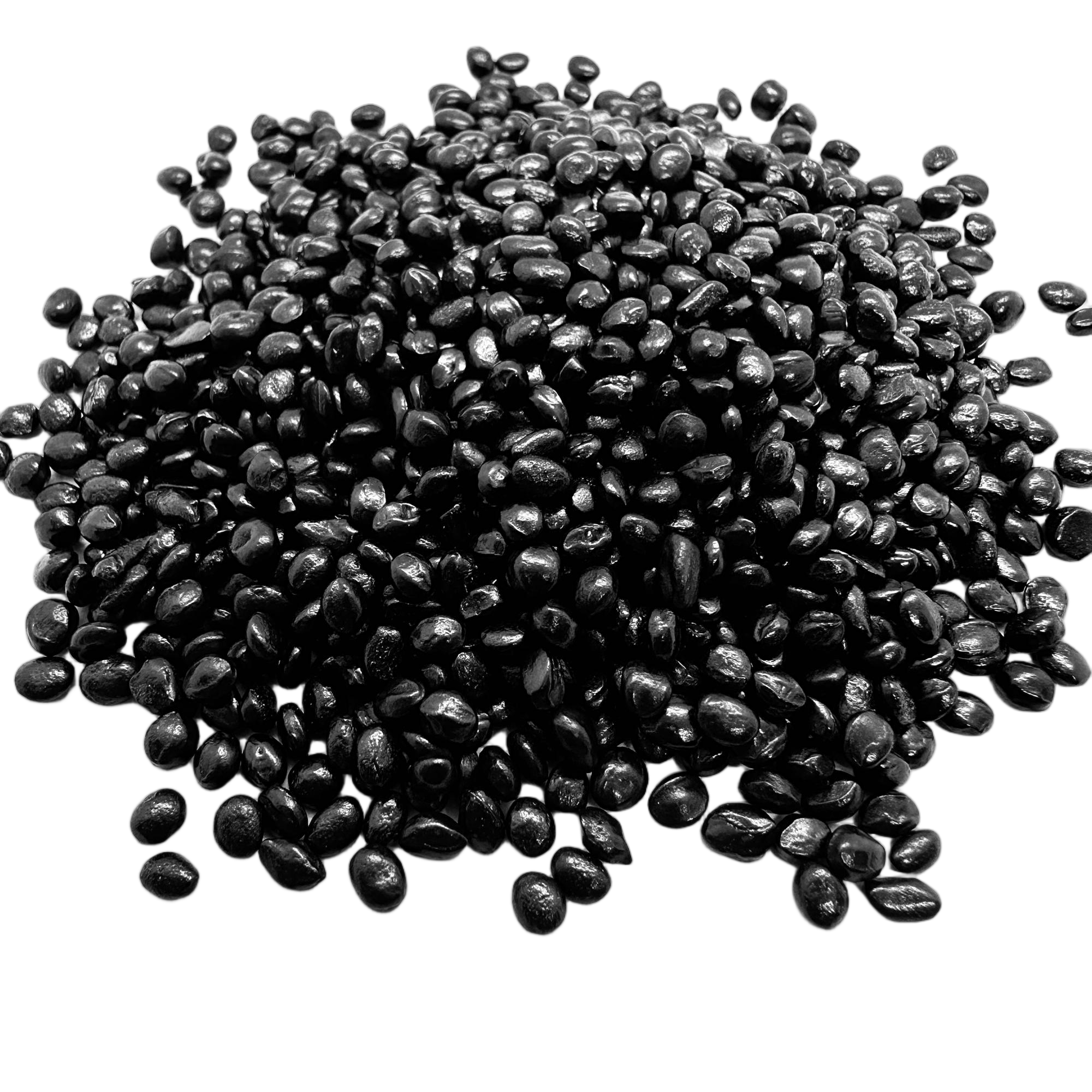
Environmentally Friendly Black Masterbatch WM101-WM101
Environmentally Friendly Black Masterbatch WM101
Introduction WM101 is produced by polymer additive with pre-dispersed carbon black , then compounded with the basic resin through plastication. It is widely used in injection, pipe, blow film applications. It features low dosage, high blackness, goo...
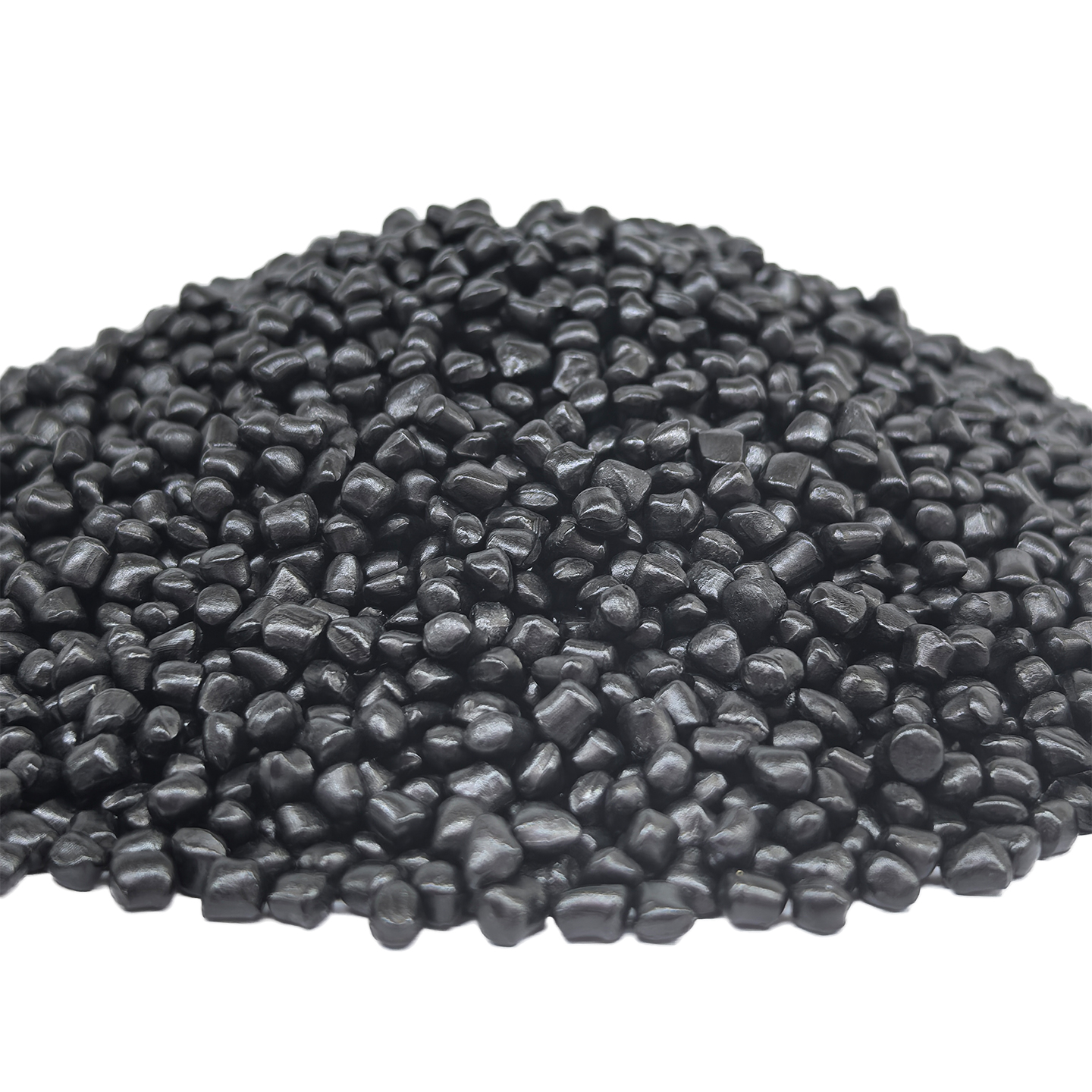
High Concentration Environmentally Friendly Filled Black Masterbatch WM8E-WM8E
High Concentration Environmentally Friendly Filled Black Masterbatch WM8E
Introduction WM8E is produced by unique process in which carbon black is pre-dispersed, then compounded with the basic resin through plastication. It is widely used in film blowing , blowing plastic and injection applications. Suitable for PP and PE...
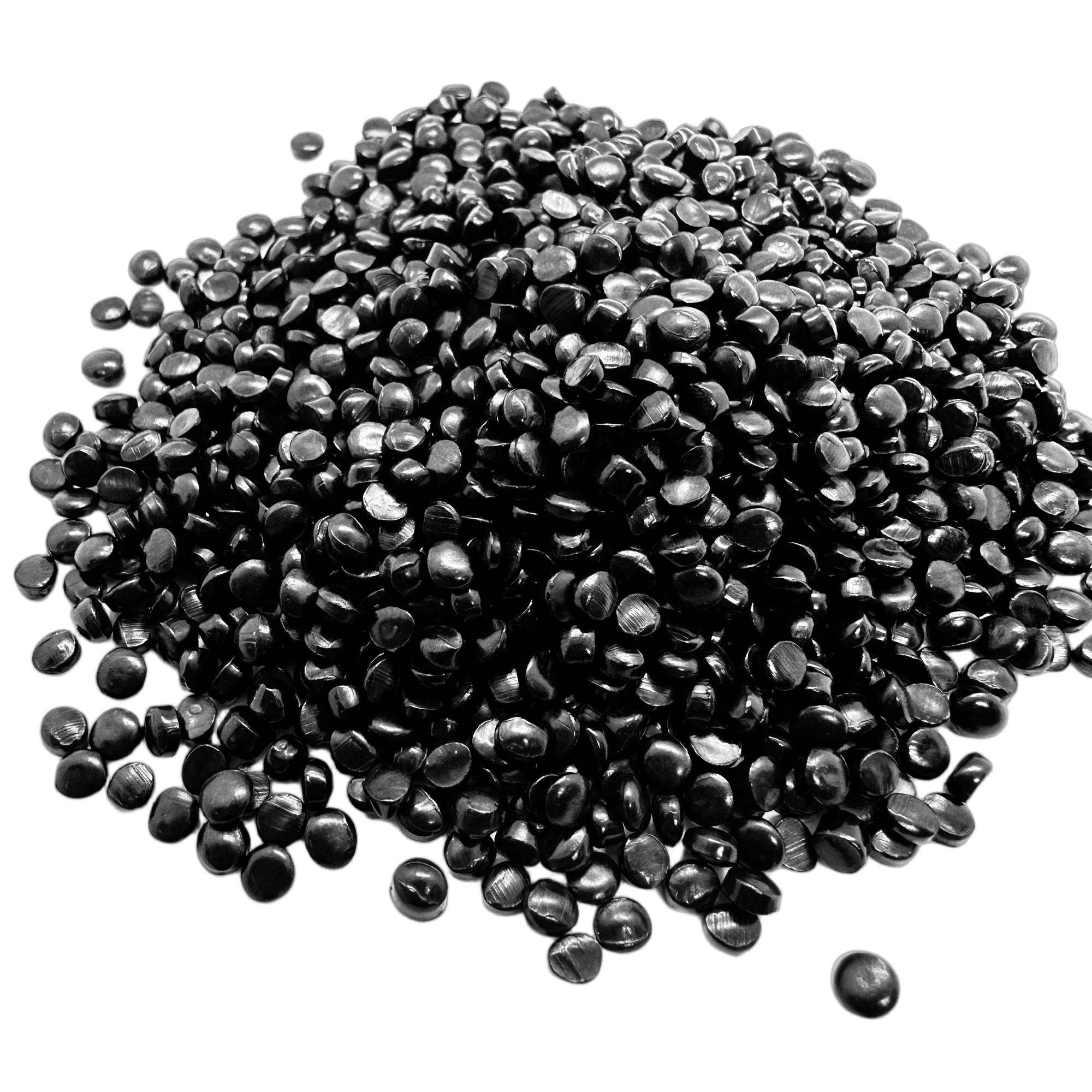
Universal Courier bag Extrusion Black Masterbatch WM2ADM-WM2ADM
Universal Courier bag Extrusion Black Masterbatch WM2ADM
Introduction WM2ADM is produced by unique process in which carbon black is pre-dispersed, then compounded with the basic resin through plastication. It is widely used in film blowing , blowing plastic and fiber applications. Suitable for PP and PE m...
Stable Dispersion & Excellent Hiding Concentrated Mulch Black Masterbatch WMULCH-1-WMULCH-1
Stable Dispersion & Excellent Hiding Concentrated Mulch Black Masterbatch WMULCH-1
Introduction Mulch film is judged in the field, not in the warehouse. By the time a roll reaches the bed former, three things have already decided how the film will behave for the rest of the season: how much carbon black is genuinely in the film, ...
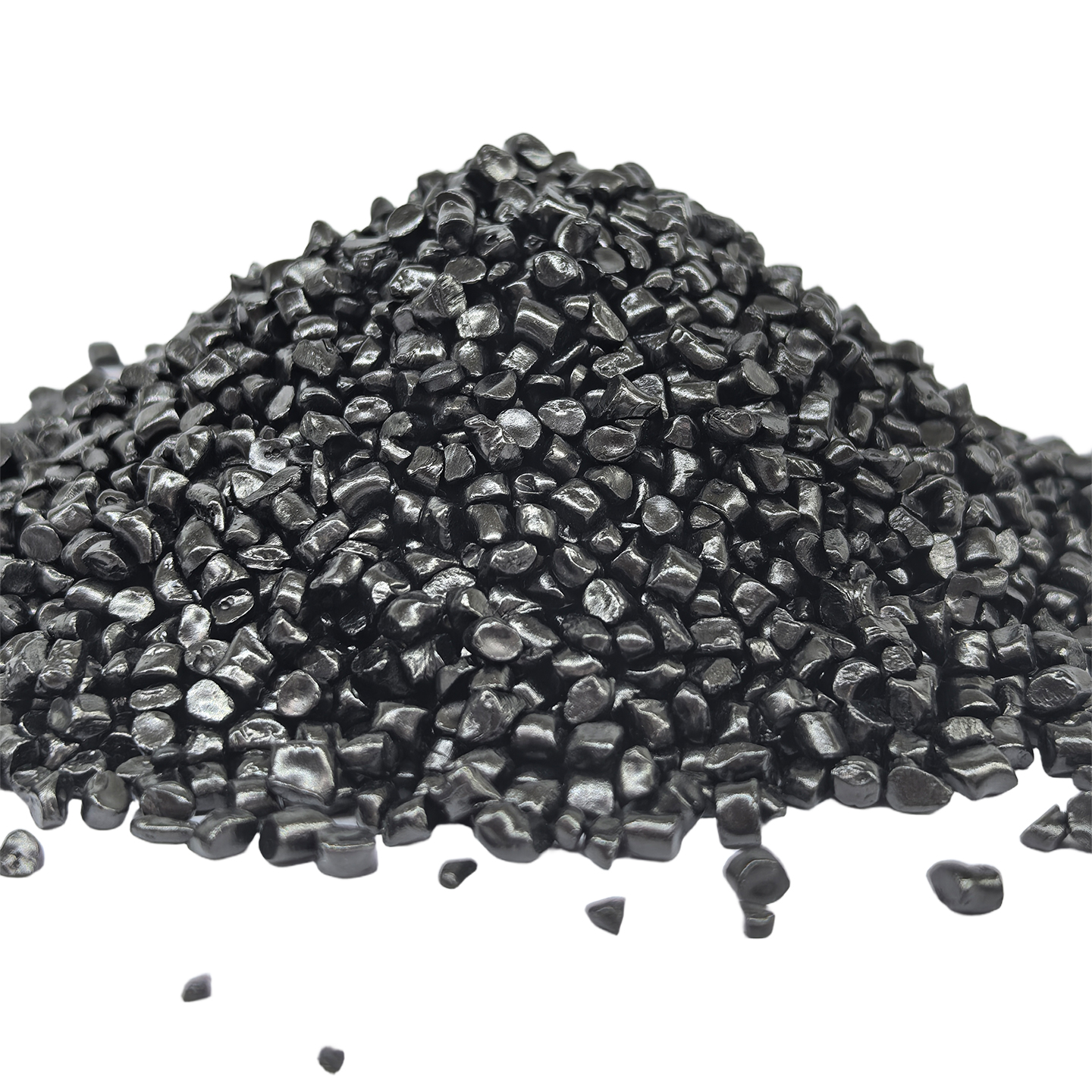
High Concentration Carrier-Free Black Masterbatch WMB34-WMB34
High Concentration Carrier-Free Black Masterbatch WMB34
Introduction WMB34 is produced by unique process in which carbon black is pre-dispersed, then compounded with the basic resin through plastication. It is widely used in injection and modified compounding applications. Suitable for PP PE ABS PA+GF...
Strong And High Pigment Black Masterbatch WM913-WM913
Strong And High Pigment Black Masterbatch WM913
Introduction WM913 is produced by pre-dispersed carbon black with polymer additive, then compounded through plastication. It is widely used in modified compounding applications. Suitable for PP PE ABS PPR ABS HIPS materials. It features low dosage...
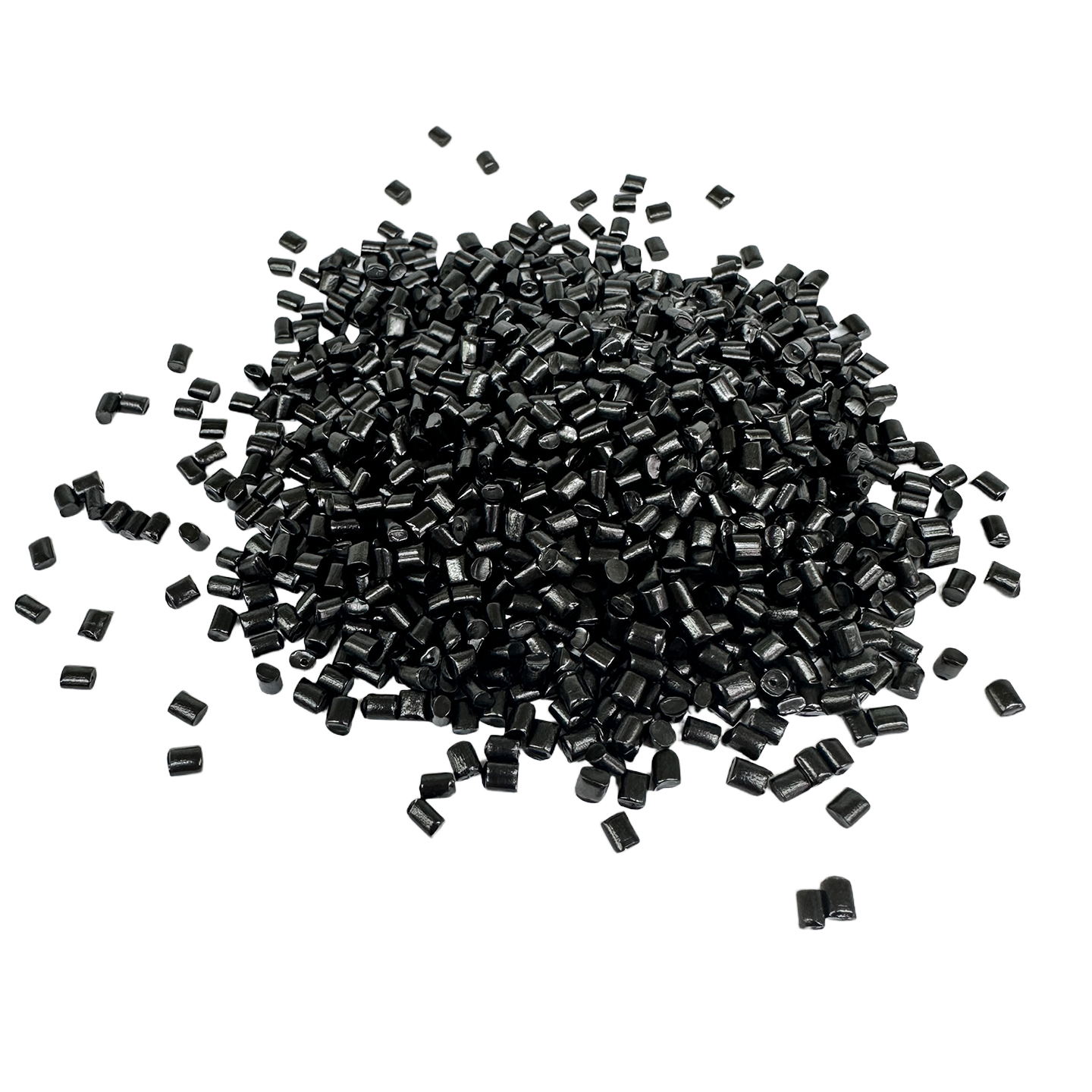
BPA Free & Low Volatile Environmentally Friendly Interior Black Masterbatch WMEG11-WMEG11
BPA Free & Low Volatile Environmentally Friendly Interior Black Masterbatch WMEG11
Introduction WMEG11 is produced by unique process in which carbon black is pre-dispersed, then compounded with the basic resin through plastication. It is widely used in modified compounding and injection applications. Suitable for PP and PE materi...
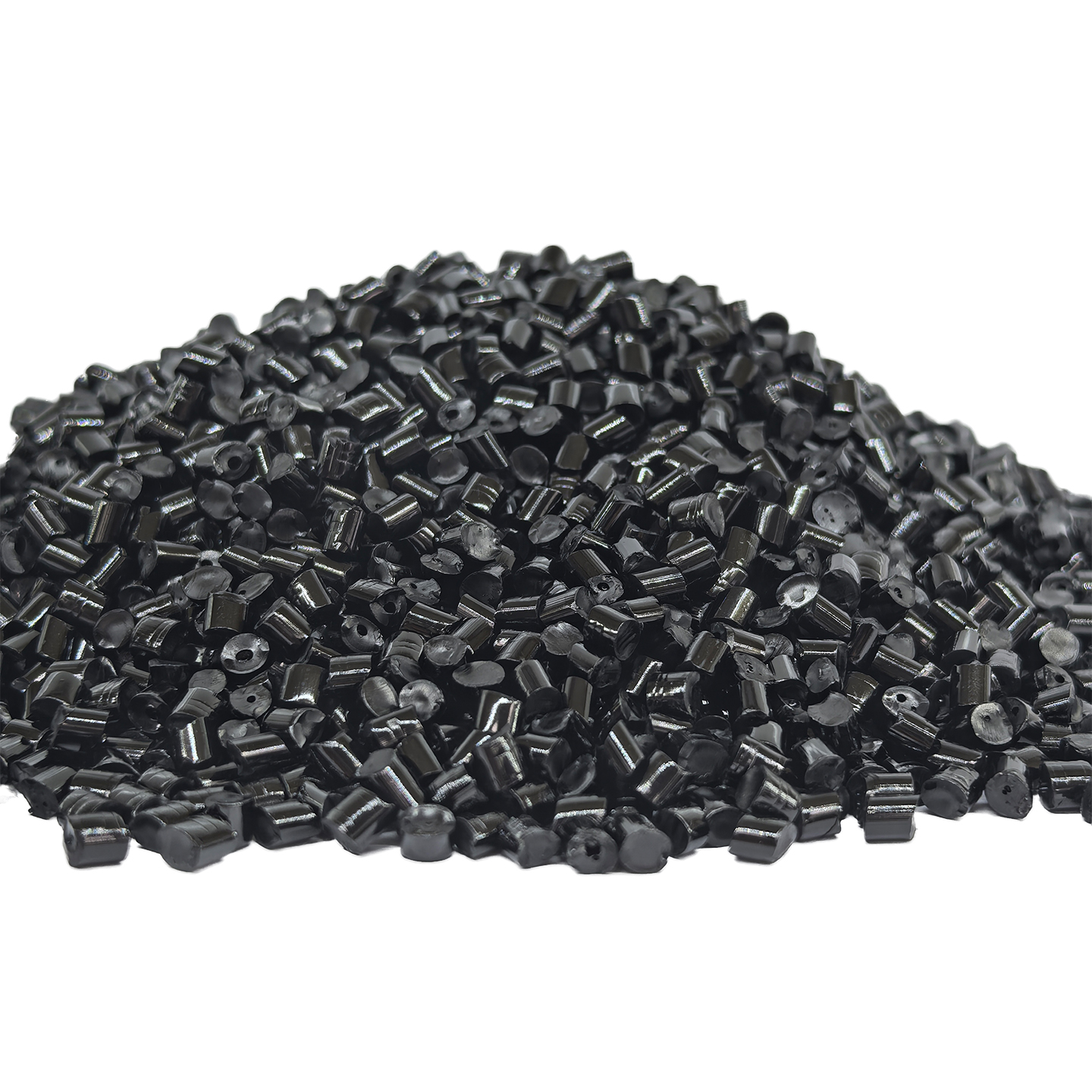
BPA Free & LFGB Approved food grade Black Masterbatch WMB56-WMB56
BPA Free & LFGB Approved food grade Black Masterbatch WMB56
Introduction WMB56, a low-odour black masterbatch for ABS, AS and PC appliance housings WMB56 is produced by unique process in which carbon black is pre-dispersed, then compounded with the basic resin through plastication. It is widely used in inje...
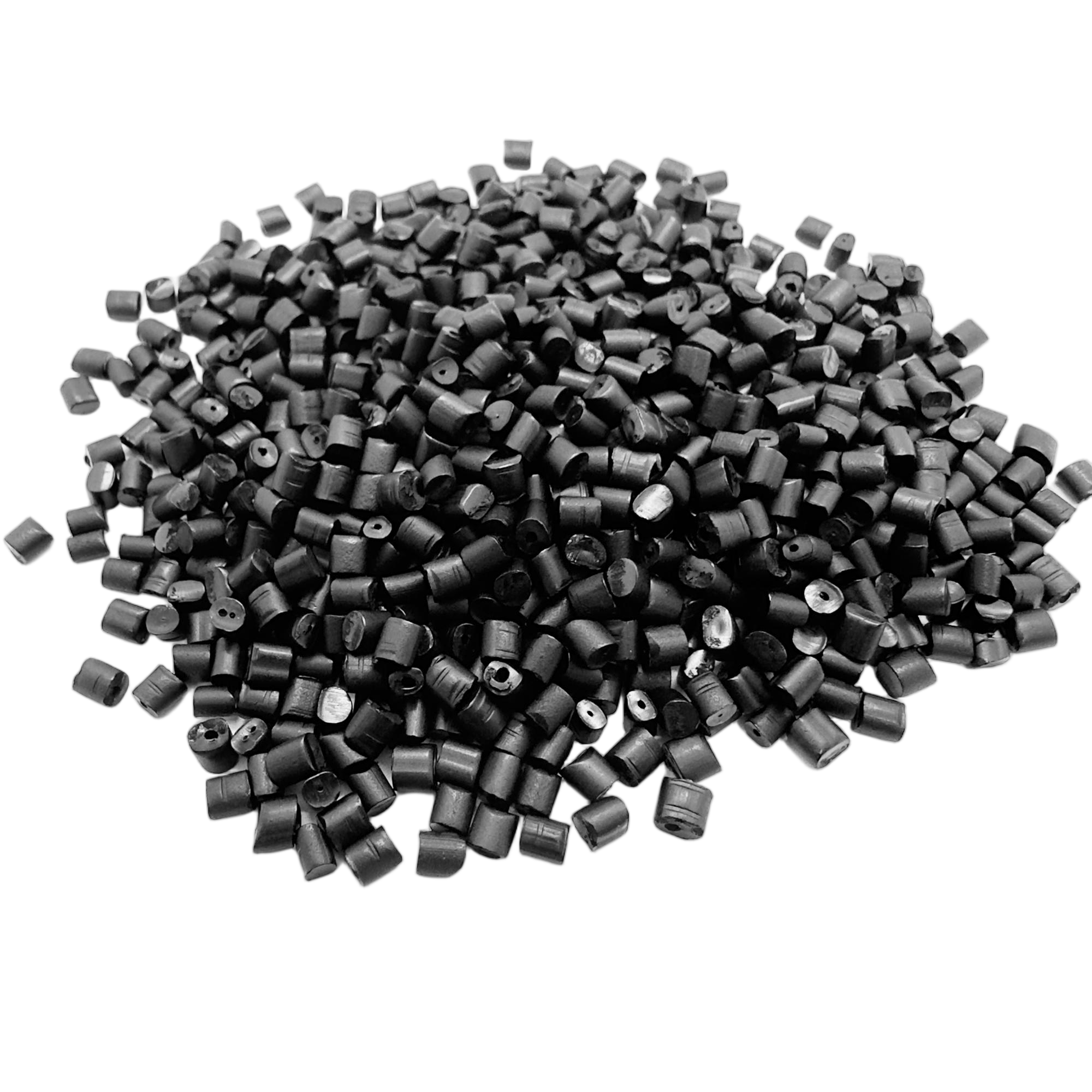
Strong And High Pigment PP Black Masterbatch WM785D-WM785D
Strong And High Pigment PP Black Masterbatch WM785D
Introduction WM785D is produced by unique process in which carbon black is pre-dispersed, then compounded with the basic resin through plastication. It is widely used in modified compounding and injection applications. Suitable for PP and PE materia...
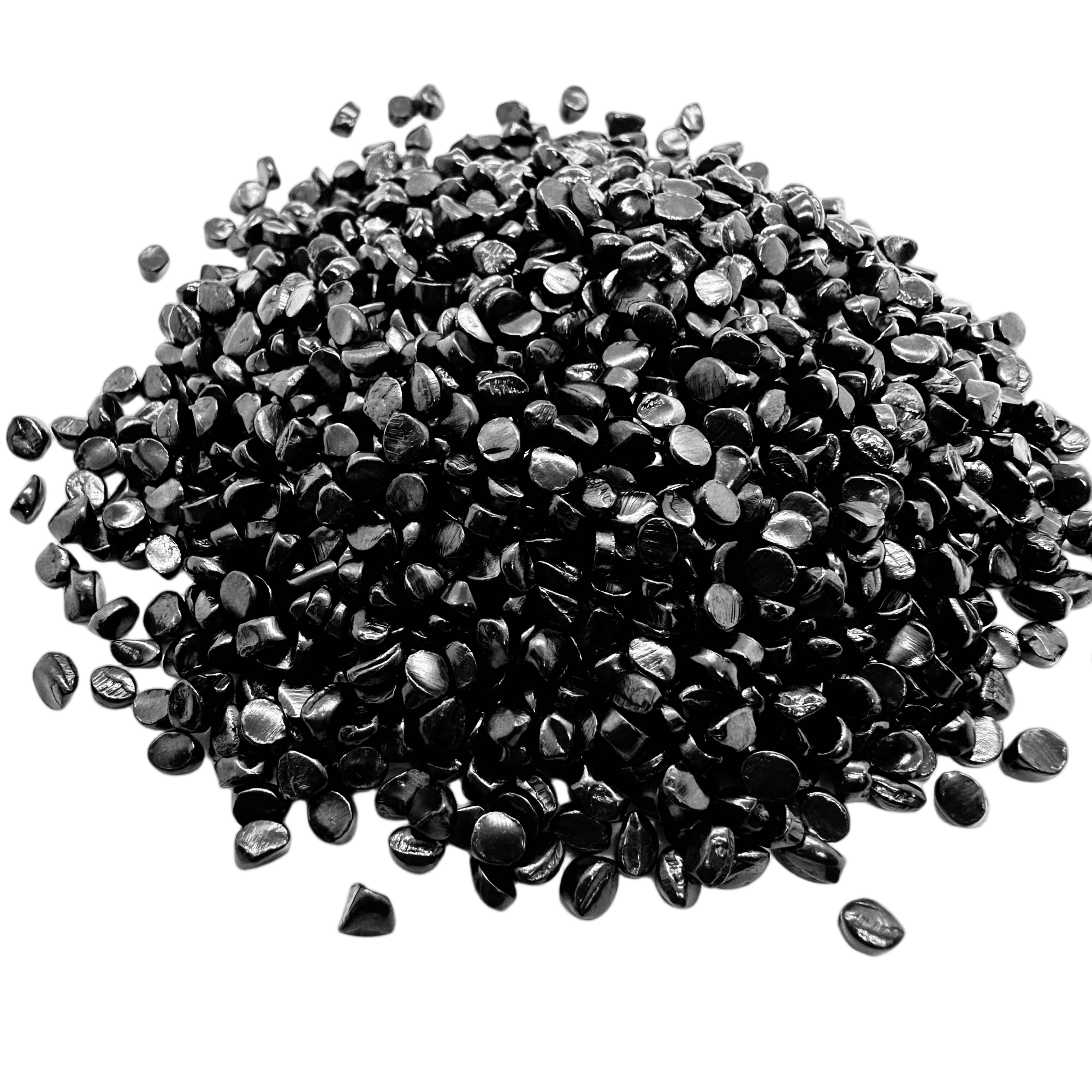
Injection Molding Reinforced Black Masterbatch WM16H (UN2014) -WM16H
Injection Molding Reinforced Black Masterbatch WM16H (UN2014)
Introduction WM16H is produced by pre-dispered carbon black, and then compounded with basic resin. It is widely used in ABS, PC/AS high glossy injection and modifiled compounding applications. Suitable for PP PE PC/ABS GPPS POM GPPS PA+GF materials....
Structure-Enhanced SAN Black Masterbatch WM2A-WM2A
Structure-Enhanced SAN Black Masterbatch WM2A
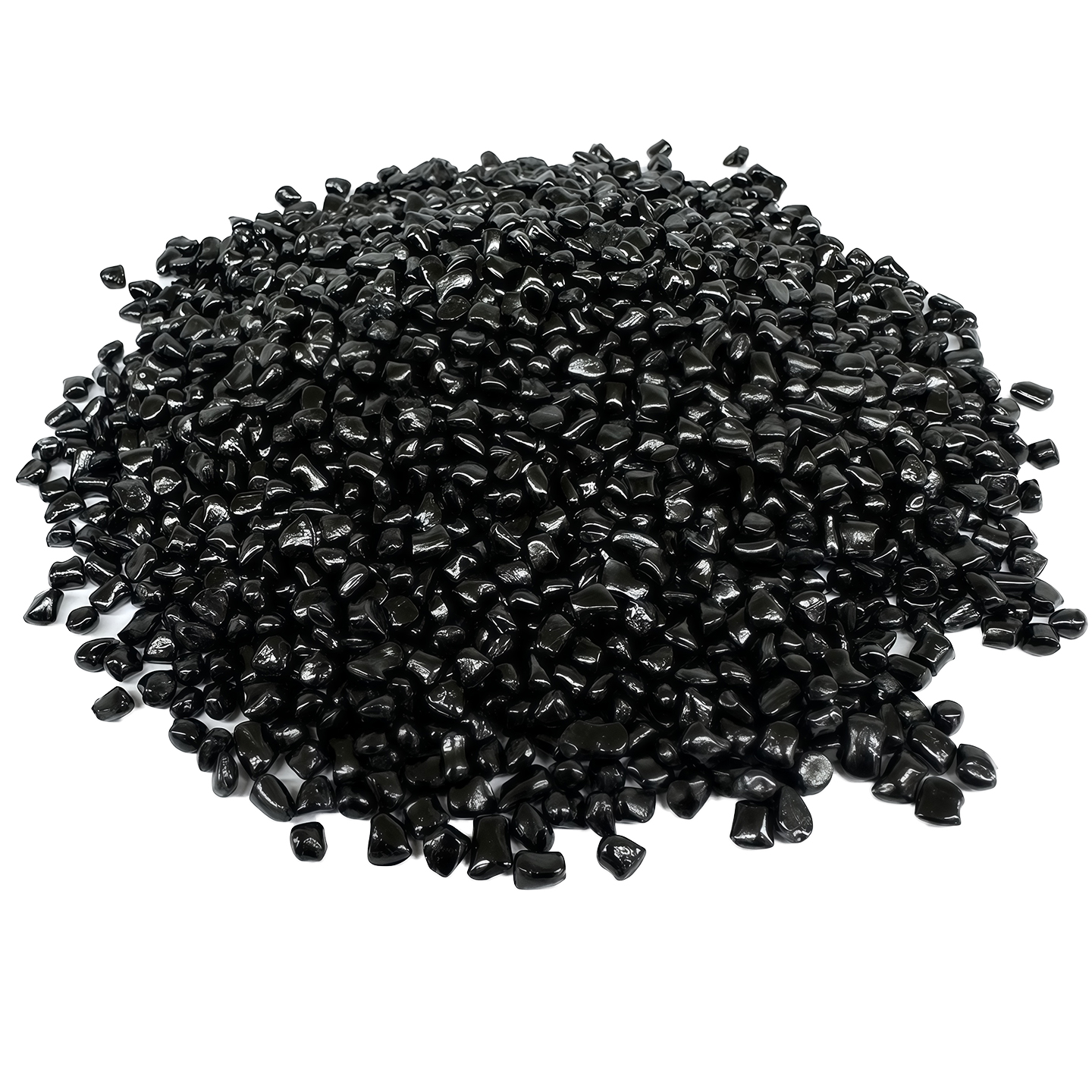
Introduction WM2A is produced by high-pigment carbon black with AS as carrier and special dispersion agent. Its carbon black is stable and blue-shape grade. Suitable for ABS PC high glossy injection materials, also PPO PPS PA PET etc. thermoplasti...
Structure-Enhanced PS Black Masterbatch WM626-WM626
Structure-Enhanced PS Black Masterbatch WM626
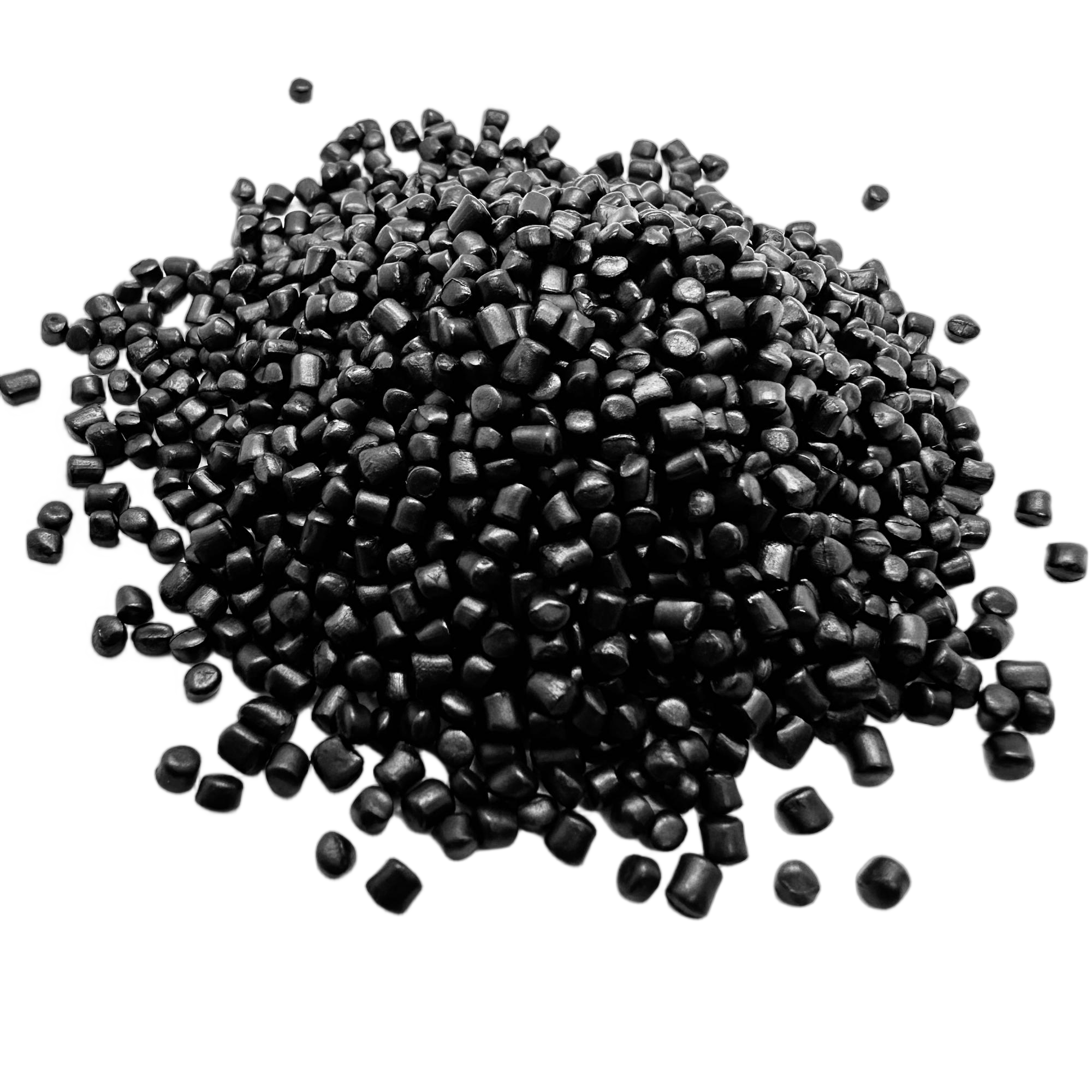
Introduction WM626 is produced by unique process in which carbon black is pre-dispersed, then compounded with the basic resin through plastication. It is widely used in extrusion and injection applications. Suitable for HIPS materials. It features lo...
Structure-Enhanced PC Black Masterbatch WM6245-WM6245
Structure-Enhanced PC Black Masterbatch WM6245
Introduction WM6245 is produced by unique process in which carbon black is pre-dispersed, then compounded with the basic resin through plastication. It is widely used in extrusion and high glossy injection applications. Suitable for PC ABS/PC materia...
Universal Environmentally Resistant Black Masterbatch WM72-WM72
Universal Environmentally Resistant Black Masterbatch WM72
Introduction WM72 is produced by unique process in which carbon black is pre-dispersed, then compounded with the basic resin through plastication. It is widely used in film blowing and injection applications. Suitable for PP and PE materials. It fea...
Environmentally Friendly FDA approved & food grade Black Masterbatch WM70E2-WM70E2
Environmentally Friendly FDA approved & food grade Black Masterbatch WM70E2
Introduction WM70E2 is produced by unique process in which carbon black is pre-dispersed, then compounded with the basic resin through plastication. It is widely used in injection (both general and thin wall injection), blow molding and extrusion sh...
Low Volatile & High Concentration Environmentally Friendly Filled Black Masterbatch WM261YF-WM261YF
Low Volatile & High Concentration Environmentally Friendly Filled Black Masterbatch WM261YF
Introduction WM261YF is produced by unique process in which carbon black is pre-dispersed, then compounded with the basic resin through plastication. It is widely used in injection and modified compounding applications. Suitable for PP PE materials....
Environmentally Resistant Black Masterbatch WM3F-WM3F
Environmentally Resistant Black Masterbatch WM3F
Introduction WM3F is produced by unique process in which carbon black is pre-dispersed, then compounded with the basic resin through plastication. It is widely used in water supply pipe,drip irrigation pipe,corrugated pipe and film blowing applicati...
General Low Carbon Black Masterbatch WME1-WME1
General Low Carbon Black Masterbatch WME1
Introduction WME1 is produced by unique process in which carbon black is pre-dispersed, then compounded with the polymer additive through plastication. It is widely used in injection, extrusion pipe and blow film applications. It features low dosage...
Weather-Resistant Black Filler Masterbatch WM307-WM307
Weather-Resistant Black Filler Masterbatch WM307
Introduction WM307 is produced by unique process in which carbon black is pre-dispersed, then compounded with the basic resin through plastication. It is widely used in injection, blow film and compounding applications. Suitable for PP, PE material...
Durable Black Environmentally Friendly Functional Masterbatch WM30-WM30
Durable Black Environmentally Friendly Functional Masterbatch WM30
Introduction WM30 is produced by unique process in which carbon black is pre-dispersed, then compounded with the basic resin through plastication. It is widely used in injection, modified compounding, pipe & sheet applications. Suitable for PP ,PE a...
Get Your Free Sample Now
Submit this form and our sales representative will contact you soon.

Contact Us
Tel: +86 757 8118 6668/+86 139 2320 6383
Sales Hotline: +86 139 2320 6383
Address: No. 55, Yong'an Avenue, Guanyao, Shishan Town, Nanhai District, Foshan City, Guangdong Province, China.
Inquire
Copyright © 2026 Guangdong Jolink Technology Co., Ltd.