
SEARCH WHAT YOU WANT
Environmentally PP Condutive Black Masterbatch WM12PP
 |
 |
Introduction
WM12PP is produced by unique process in which carbon black is pre-dispersed, then compounded with the basic resin through plastication. It is widely used in injection and modified compounding applications. Suitable for PP materials. It features low dosage, high blackness, good brightness, excellent heat resistance, outstanding dispersibility and tinting power, and minimal impact on the physical properties of the final product. It has excellent conductive ability
PP Conductive Black Masterbatch for ESD Turnover Boxes, Trays and Board Racks
WM12PP · 37% ± 1.5% carbon black · PE carrier · resistance band set by letdown
WM12PP is a conductive carbon black masterbatch for parts whose job is to move charge off the surface.
The carbon black is pre-dispersed before it goes into the PE carrier,
which keeps the filler evenly spread from shot to shot. At 37% ± 1.5% it covers the letdown range ESD totes and board racks actually run at, and puts the part inside the 10⁶ to 10⁹ Ω band.
Where WM12PP goes
ESD turnover boxes, totes and stacking crates
Solid-wall boxes, collapsible totes, stackable bins, and the dividers that go inside them. This is the group our ESD turnover box range is built around.
Boards and modules sit in these parts between stations, sometimes for months, and large thin-walled mouldings are where resistance drifts fastest.
Letdown and wall thickness have to be set together.
Component trays and racks
Trays, inserts, PCB magazine racks and line-side handling fixtures. These get re-used hundreds of times and washed between runs. A reading taken on day one tells you almost nothing.
What your customer will ask about is the reading after the tenth wash.
PP compounds and modified granules
For compounders who dilute further, or who build the conductive element into their own modified plastics compound.
Suits a moulder who wants a ready-filled compound instead of letting down at the machine, and it is the route to take when recycled PP forms part of the formulation.
Technical Parameter
| Carbon Content | 37%±1.5 |
| Carrier | PE |
| MFI | 1-10(g/ 10min(230℃ 10kg) |
| Electrical resistivity | 10⁶~ 10⁹ Ω |
| Dispersion | Excellent (≤ Level 3) |
| Compliance | RoHS, PAHs, REACH,FDA |
| Application | Injection (matt effect) for eletrical turnover box, modified compouding (PP) |
| Dosage Advice | Injection: 0.8–4.0% |
| OEM | Accpeted |
Why it holds up
Dispersion
Carbon black goes in pre-dispersed, not tumble-blended as powder.
Any agglomerate that survives compounding becomes a dead spot in the network, and a part with dead spots reads clean beside the gate and off-spec at the far end. Our dispersion grade is ≤ Level 3.
Pellet size and letdown
Resistance tracks how much carbon black ends up in the part, so anything that lets the letdown wander shows up in the reading.
Synchronised cutting keeps pellet size inside a tight band, which is what holds a gravimetric feeder on target through a long run.
It survives a second heat history
Conductive grades are more sensitive to regrind than coloured ones, because every extra pass through a hot barrel shears the carbon black network.
Consistency run to run comes down to holding the regrind ratio steady and taking the melt temperature up instead of pushing the screw.
Getting consistent results on the line
Moisture. Carbon black holds moisture on its surface, and this grade is 37% carbon black. Moisture that reaches the melt shows up as voids, a jumping flow, and readings that drift on their own.
Dry the masterbatch as well as the resin, reseal bags between shifts, and dry recycled PP hard.
Meter by weight. Re-check the setting at shift change as well. Resistance follows carbon black content in the part, so half a percent of letdown error moves the reading.
Volumetric feeders drift as the hopper empties.
Barrel hot, injection slow. Moulding shears the melt harder than extrusion does, and shear breaks the carbon black network.
The settings read backwards to most moulders: raise the barrel temperature, carry slightly more back pressure, drop the injection speed, keep the cooling even.
The gate and the weld line will read high. Resistance beside the gate, along a weld line and at end-of-fill runs higher than the bulk of the part, often by orders of magnitude.
Mark your test points on the drawing before the trial starts.
Fix a regrind ratio and hold it. Too much regrind is a standard cause of a part that fails on conductivity. Set a ratio, hold it constant between runs, and test the blend you are actually running.
Quote resistance with its test conditions. Surface resistance depends on humidity, specimen geometry and electrode setup.
Condition the specimen, use the same electrode setup every time, and record the value with the conditions next to it.
A resistance figure with no test conditions attached is not a specification.
Compliance and documentation
RoHS, REACH and PAHs are covered for this grade, and our regulations and compliance notes go into more detail. Every lot ships with a certificate of analysis and lot-specific data,
and we will issue a declaration of conformity against whichever regulation your market names.
Buyers in this sector usually want three things before they qualify a supplier: a compliance statement tied to the product, resistivity data traceable to the lot, and a re-test interval for re-usable items.
We can supply all three.
This grade is not for food contact. Under FDA 21 CFR 178.3297 and EU 10/2011 (Ref. 42080), carbon black in a food-contact article is capped at 2.5% by weight, and a dissipative part sits well above that ceiling.
One material cannot do both jobs. If your project is food packaging, tell us and we will point you at the right grade.
Frequently asked questions
What letdown do I need to reach 10⁶ Ω?
The letdown follows from the resistance band you have to hit. At these loadings colour dosage is not the reference point.
Carbon black only starts carrying charge once the particles form a connected path through the polymer, and that happens far above any dosage you would use for colour.
Send us the band your customer specified, the wall thickness and the resin, and we will confirm the letdown on our line before you book a moulding trial.
Is 10⁶ – 10⁹ Ω surface resistance or volume resistivity?
Tell us which one your specification uses and we will report that one. The two do not convert by a single factor, which is why a resistance figure with no test method attached is of limited use to either side.
How does the grade affect mechanical properties?
Any carbon black at conductive loadings pulls down impact strength and elongation against unfilled PP, and shrinkage comes out lower.
Run comfortably above the percolation threshold so the loading is not marginal, then check impact on the real part.
Can we use regrind or recycled PP?
Yes, with a fixed ratio and a consistent melt profile.
Percolation is sensitive to everything else in the melt, and recycled streams vary in filler and additive content, so start from a fixed ratio on a characterised stream and adjust from there.
Do you have a grade for the conductive band below 10⁴ Ω?
That is a different letdown, and in some cases a different grade. Tell us the band and the application.
Packing and Storage
25kg/bag, PE or Composite Paper bag
Stored under dry, enclosed and cool conditions, protected from UV rays and/or direct sunlight. After used, the opened packaging must be resealed properly to prevent the product from absorbing moisture, which could affect its performance.
Note
The technical results are typical values and are provided for customer reference only. They are not to be regarded as a guarantee of minimum or maximum quality specifications.
|
Introduction
WM12PP is produced by unique process in which carbon black is pre-dispersed, then compounded with the basic resin through plastication. It is widely used in injection and modified compounding applications. Suitable for PP materials. It features low dosage, high blackness, good brightness, excellent heat resistance, outstanding dispersibility and tinting power, and minimal impact on the physical properties of the final product. It has excellent conductive ability
PP Conductive Black Masterbatch for ESD Turnover Boxes, Trays and Board Racks
WM12PP · 37% ± 1.5% carbon black · PE carrier · resistance band set by letdown
WM12PP is a conductive carbon black masterbatch for parts whose job is to move charge off the surface.
The carbon black is pre-dispersed before it goes into the PE carrier,
which keeps the filler evenly spread from shot to shot. At 37% ± 1.5% it covers the letdown range ESD totes and board racks actually run at, and puts the part inside the 10⁶ to 10⁹ Ω band.
Where WM12PP goes
ESD turnover boxes, totes and stacking crates
Solid-wall boxes, collapsible totes, stackable bins, and the dividers that go inside them. This is the group our ESD turnover box range is built around.
Boards and modules sit in these parts between stations, sometimes for months, and large thin-walled mouldings are where resistance drifts fastest.
Letdown and wall thickness have to be set together.
Component trays and racks
Trays, inserts, PCB magazine racks and line-side handling fixtures. These get re-used hundreds of times and washed between runs. A reading taken on day one tells you almost nothing.
What your customer will ask about is the reading after the tenth wash.
PP compounds and modified granules
For compounders who dilute further, or who build the conductive element into their own modified plastics compound.
Suits a moulder who wants a ready-filled compound instead of letting down at the machine, and it is the route to take when recycled PP forms part of the formulation.
Technical Parameter
| Carbon Content | 37%±1.5 |
| Carrier | PE |
| MFI | 1-10(g/ 10min(230℃ 10kg) |
| Electrical resistivity | 10⁶~ 10⁹ Ω |
| Dispersion | Excellent (≤ Level 3) |
| Compliance | RoHS, PAHs, REACH,FDA |
| Application | Injection (matt effect) for eletrical turnover box, modified compouding (PP) |
| Dosage Advice | Injection: 0.8–4.0% |
| OEM | Accpeted |
Why it holds up
Dispersion
Carbon black goes in pre-dispersed, not tumble-blended as powder. Any agglomerate that survives compounding becomes a dead spot in the network, and a part with dead spots reads clean beside the gate and off-spec at the far end. Our dispersion grade is ≤ Level 3.
Pellet size and letdown
Resistance tracks how much carbon black ends up in the part, so anything that lets the letdown wander shows up in the reading. Synchronised cutting keeps pellet size inside a tight band, which is what holds a gravimetric feeder on target through a long run.
It survives a second heat history
Conductive grades are more sensitive to regrind than coloured ones, because every extra pass through a hot barrel shears the carbon black network. Consistency run to run comes down to holding the regrind ratio steady and taking the melt temperature up instead of pushing the screw.
Getting consistent results on the line
Moisture. Carbon black holds moisture on its surface, and this grade is 37% carbon black. Moisture that reaches the melt shows up as voids, a jumping flow, and readings that drift on their own.
Dry the masterbatch as well as the resin, reseal bags between shifts, and dry recycled PP hard.
Meter by weight. Re-check the setting at shift change as well. Resistance follows carbon black content in the part, so half a percent of letdown error moves the reading.
Volumetric feeders drift as the hopper empties.
Barrel hot, injection slow. Moulding shears the melt harder than extrusion does, and shear breaks the carbon black network.
The settings read backwards to most moulders: raise the barrel temperature, carry slightly more back pressure, drop the injection speed, keep the cooling even.
The gate and the weld line will read high. Resistance beside the gate, along a weld line and at end-of-fill runs higher than the bulk of the part, often by orders of magnitude.
Mark your test points on the drawing before the trial starts.
Fix a regrind ratio and hold it. Too much regrind is a standard cause of a part that fails on conductivity. Set a ratio, hold it constant between runs, and test the blend you are actually running.
Quote resistance with its test conditions. Surface resistance depends on humidity, specimen geometry and electrode setup.
Condition the specimen, use the same electrode setup every time, and record the value with the conditions next to it.
A resistance figure with no test conditions attached is not a specification.
Compliance and documentation
RoHS, REACH and PAHs are covered for this grade, and our regulations and compliance notes go into more detail. Every lot ships with a certificate of analysis and lot-specific data,
and we will issue a declaration of conformity against whichever regulation your market names.
Buyers in this sector usually want three things before they qualify a supplier: a compliance statement tied to the product, resistivity data traceable to the lot, and a re-test interval for re-usable items. We can supply all three.
This grade is not for food contact. Under FDA 21 CFR 178.3297 and EU 10/2011 (Ref. 42080), carbon black in a food-contact article is capped at 2.5% by weight, and a dissipative part sits well above that ceiling.
One material cannot do both jobs. If your project is food packaging, tell us and we will point you at the right grade.
Frequently asked questions
What letdown do I need to reach 10⁶ Ω?
The letdown follows from the resistance band you have to hit. At these loadings colour dosage is not the reference point.
Carbon black only starts carrying charge once the particles form a connected path through the polymer, and that happens far above any dosage you would use for colour.
Send us the band your customer specified, the wall thickness and the resin, and we will confirm the letdown on our line before you book a moulding trial.
Is 10⁶ – 10⁹ Ω surface resistance or volume resistivity?
Tell us which one your specification uses and we will report that one. The two do not convert by a single factor, which is why a resistance figure with no test method attached is of limited use to either side.
How does the grade affect mechanical properties?
Any carbon black at conductive loadings pulls down impact strength and elongation against unfilled PP, and shrinkage comes out lower.
Run comfortably above the percolation threshold so the loading is not marginal, then check impact on the real part.
Can we use regrind or recycled PP?
Yes, with a fixed ratio and a consistent melt profile.
Percolation is sensitive to everything else in the melt, and recycled streams vary in filler and additive content, so start from a fixed ratio on a characterised stream and adjust from there.
Do you have a grade for the conductive band below 10⁴ Ω?
That is a different letdown, and in some cases a different grade. Tell us the band and the application.
Packing and Storage
25kg/bag, PE or Composite Paper bag
Stored under dry, enclosed and cool conditions, protected from UV rays and/or direct sunlight. After used, the opened packaging must be resealed properly to prevent the product from absorbing moisture, which could affect its performance.
Note
The technical results are typical values and are provided for customer reference only. They are not to be regarded as a guarantee of minimum or maximum quality specifications.
Previous: No more data
Next: No more data
Related Products
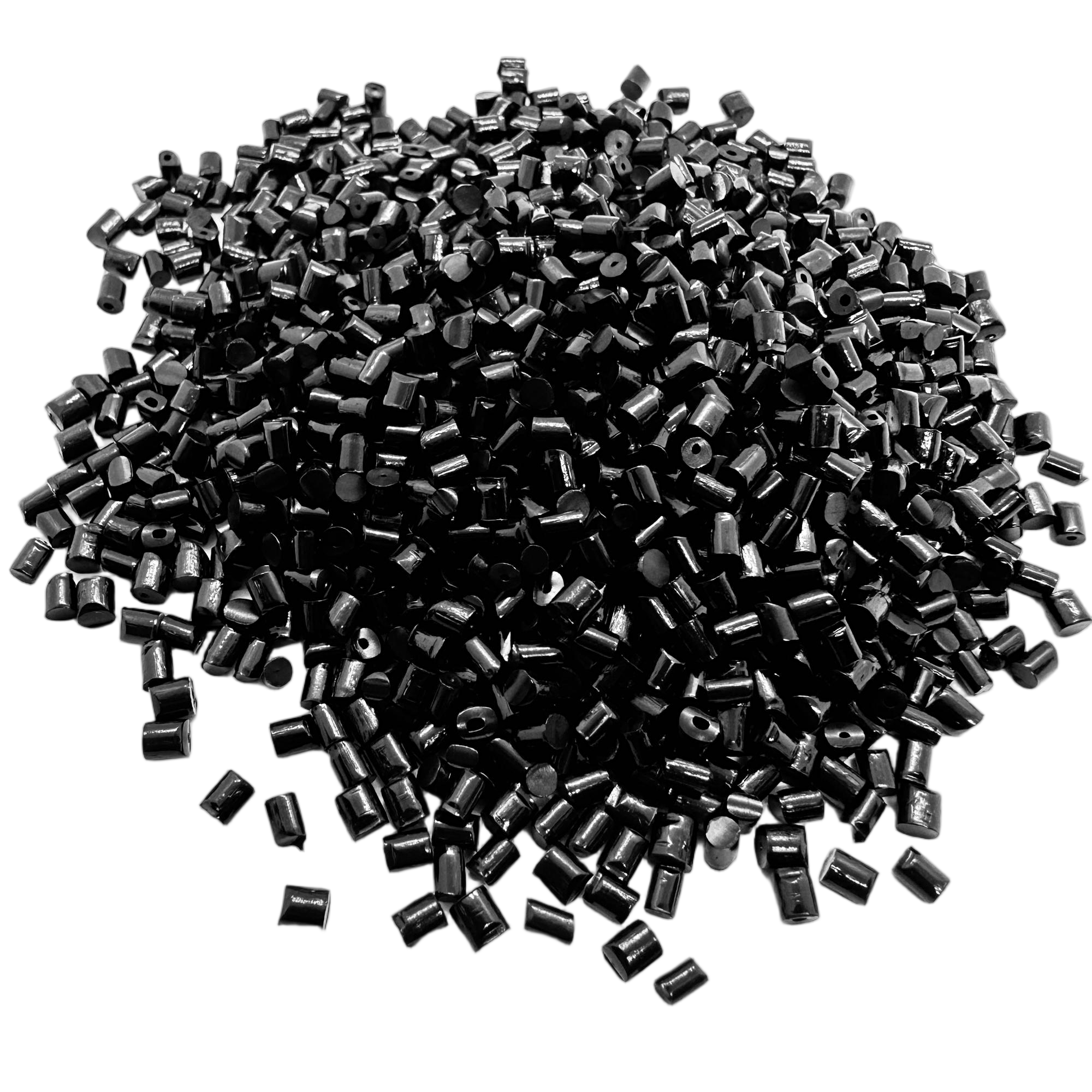
Structure-Enhanced PC Black Masterbatch WM6245-WM6245
Structure-Enhanced PC Black Masterbatch WM6245
Introduction WM6245 is produced by unique process in which carbon black is pre-dispersed, then compounded with the basic resin through plastication. It is widely used in extrusion and high glossy injection applications. Suitable for PC ABS/PC materia...
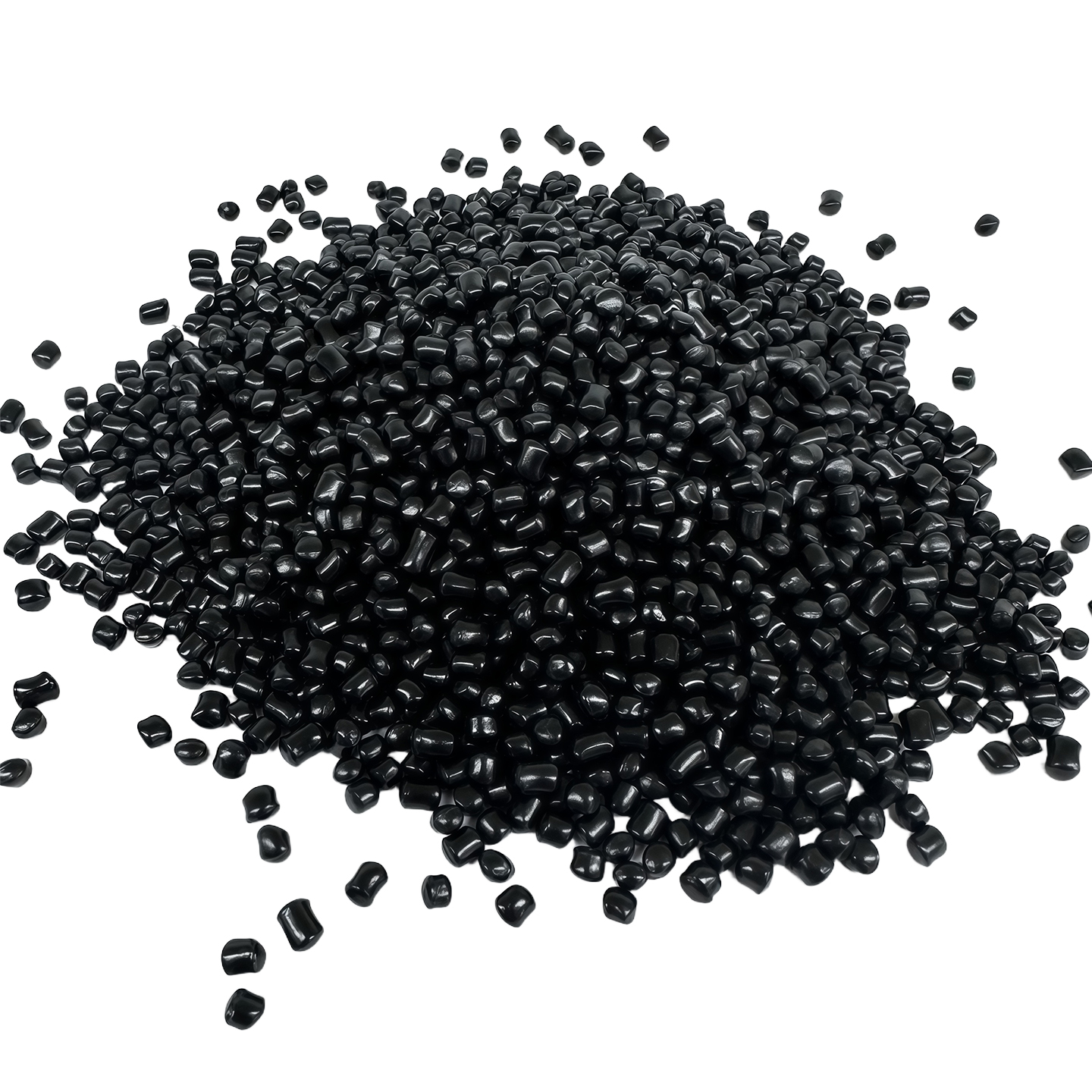
Universal Environmentally Resistant Black Masterbatch WM72-WM72
Universal Environmentally Resistant Black Masterbatch WM72
Introduction WM72 is produced by unique process in which carbon black is pre-dispersed, then compounded with the basic resin through plastication. It is widely used in film blowing and injection applications. Suitable for PP and PE materials. It fea...
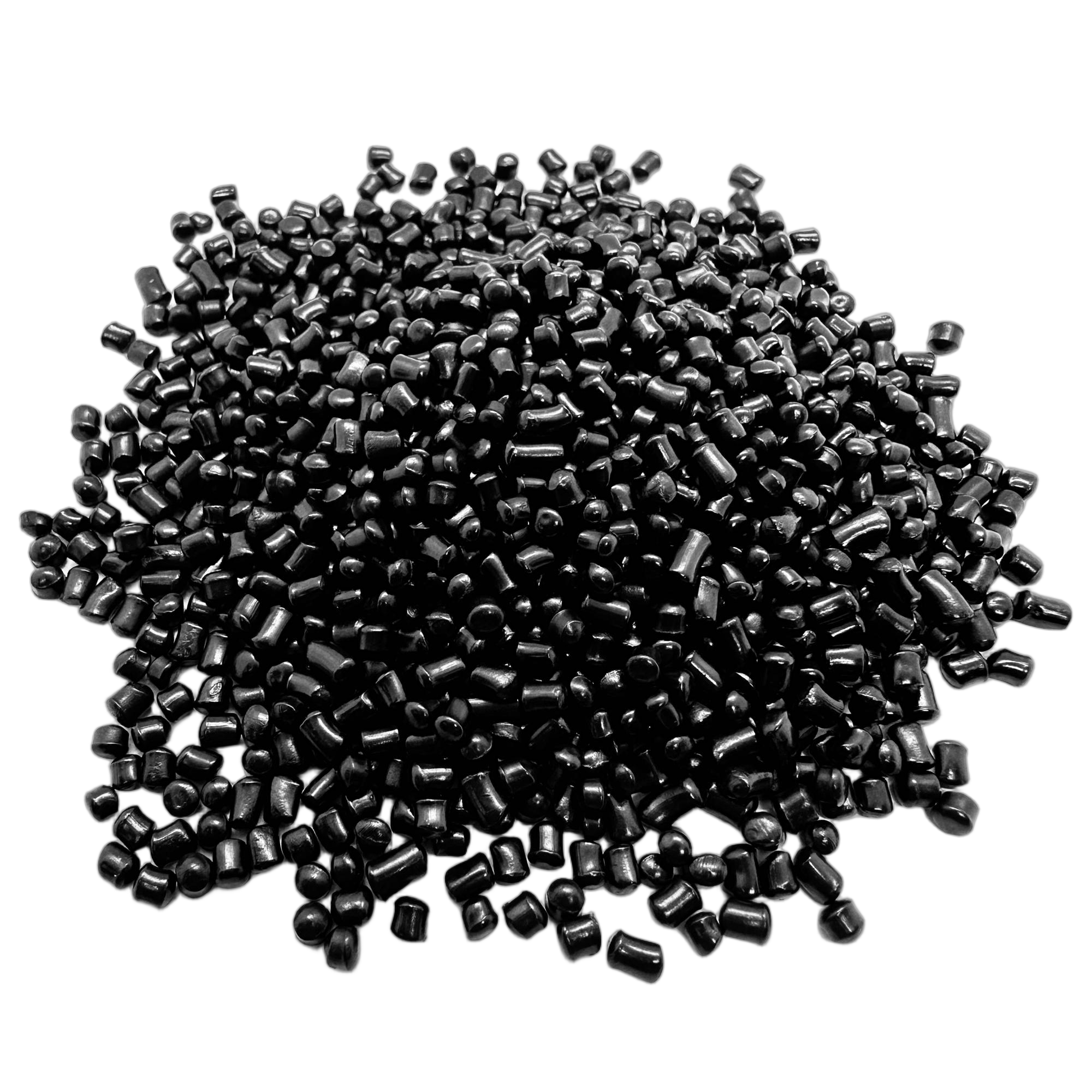
Environmentally Friendly FDA approved & food grade Black Masterbatch WM70E2-WM70E2
Environmentally Friendly FDA approved & food grade Black Masterbatch WM70E2
Introduction WM70E2 is produced by unique process in which carbon black is pre-dispersed, then compounded with the basic resin through plastication. It is widely used in injection (both general and thin wall injection), blow molding and extrusion sh...
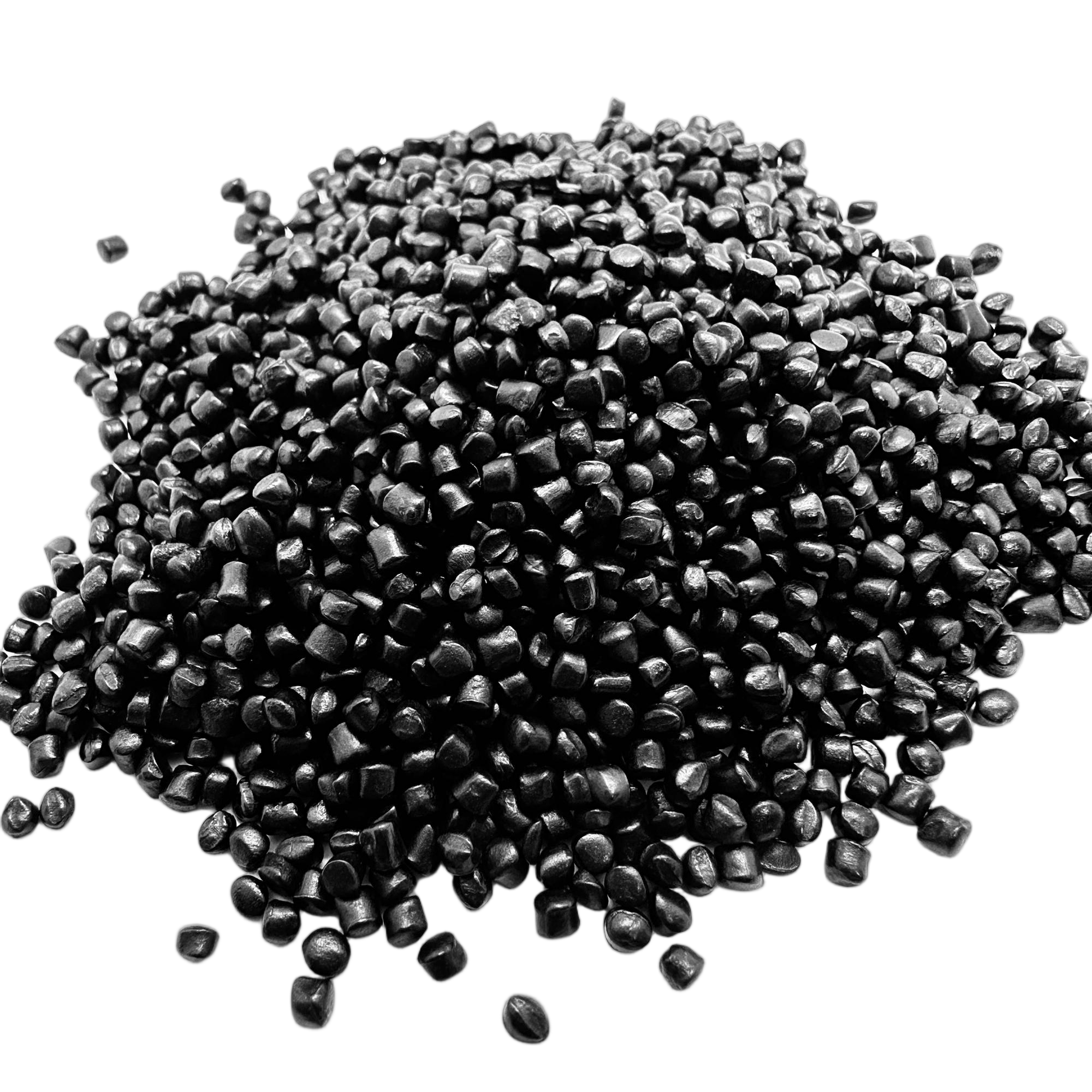
Low Volatile & High Concentration Environmentally Friendly Filled Black Masterbatch WM261YF-WM261YF
Low Volatile & High Concentration Environmentally Friendly Filled Black Masterbatch WM261YF
Introduction WM261YF is produced by unique process in which carbon black is pre-dispersed, then compounded with the basic resin through plastication. It is widely used in injection and modified compounding applications. Suitable for PP PE materials....
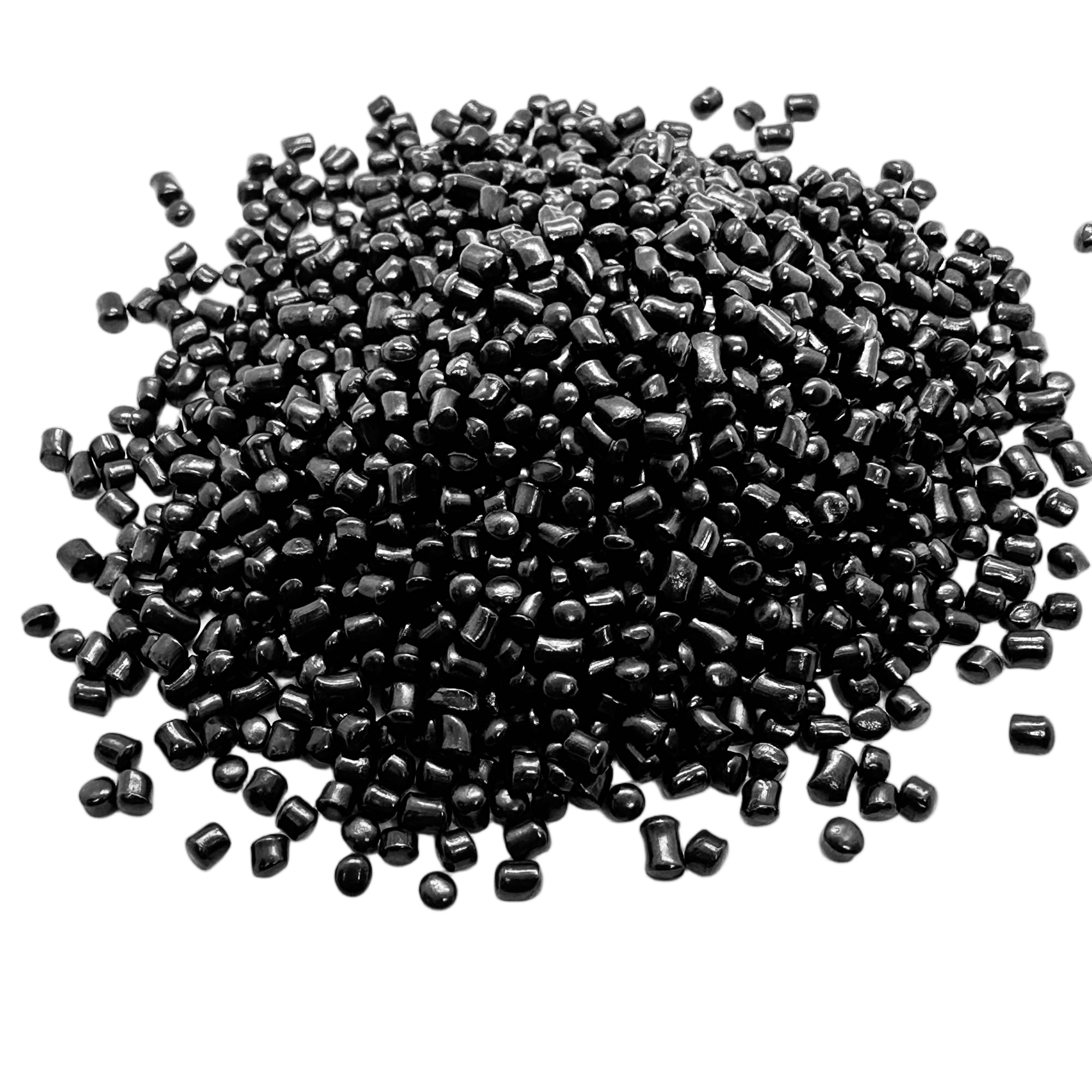
Environmentally Resistant Black Masterbatch WM3F-WM3F
Environmentally Resistant Black Masterbatch WM3F
Introduction WM3F is produced by unique process in which carbon black is pre-dispersed, then compounded with the basic resin through plastication. It is widely used in water supply pipe,drip irrigation pipe,corrugated pipe and film blowing applicati...
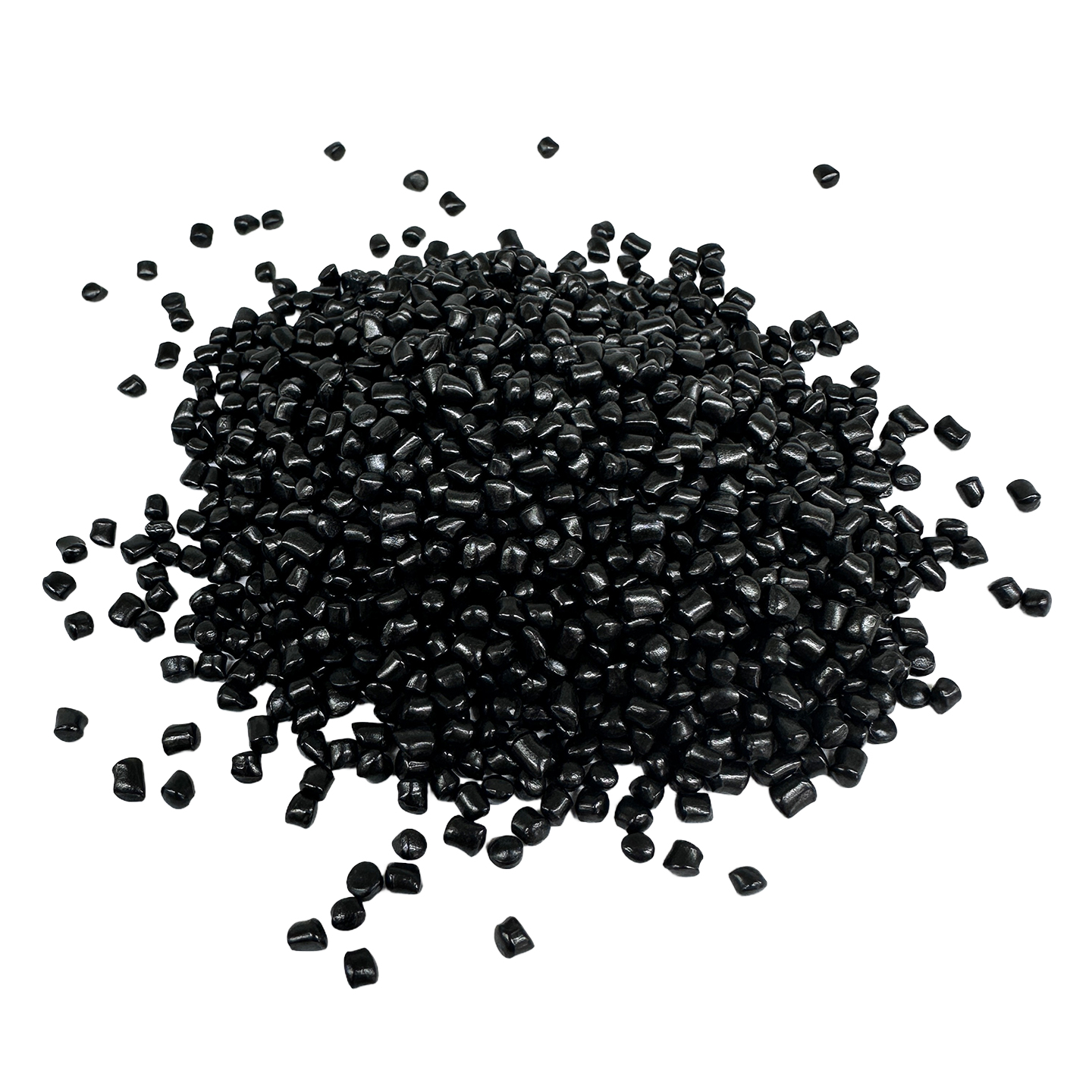
General Low Carbon Black Masterbatch WME1-WME1
General Low Carbon Black Masterbatch WME1
Introduction WME1 is produced by unique process in which carbon black is pre-dispersed, then compounded with the polymer additive through plastication. It is widely used in injection, extrusion pipe and blow film applications. It features low dosage...
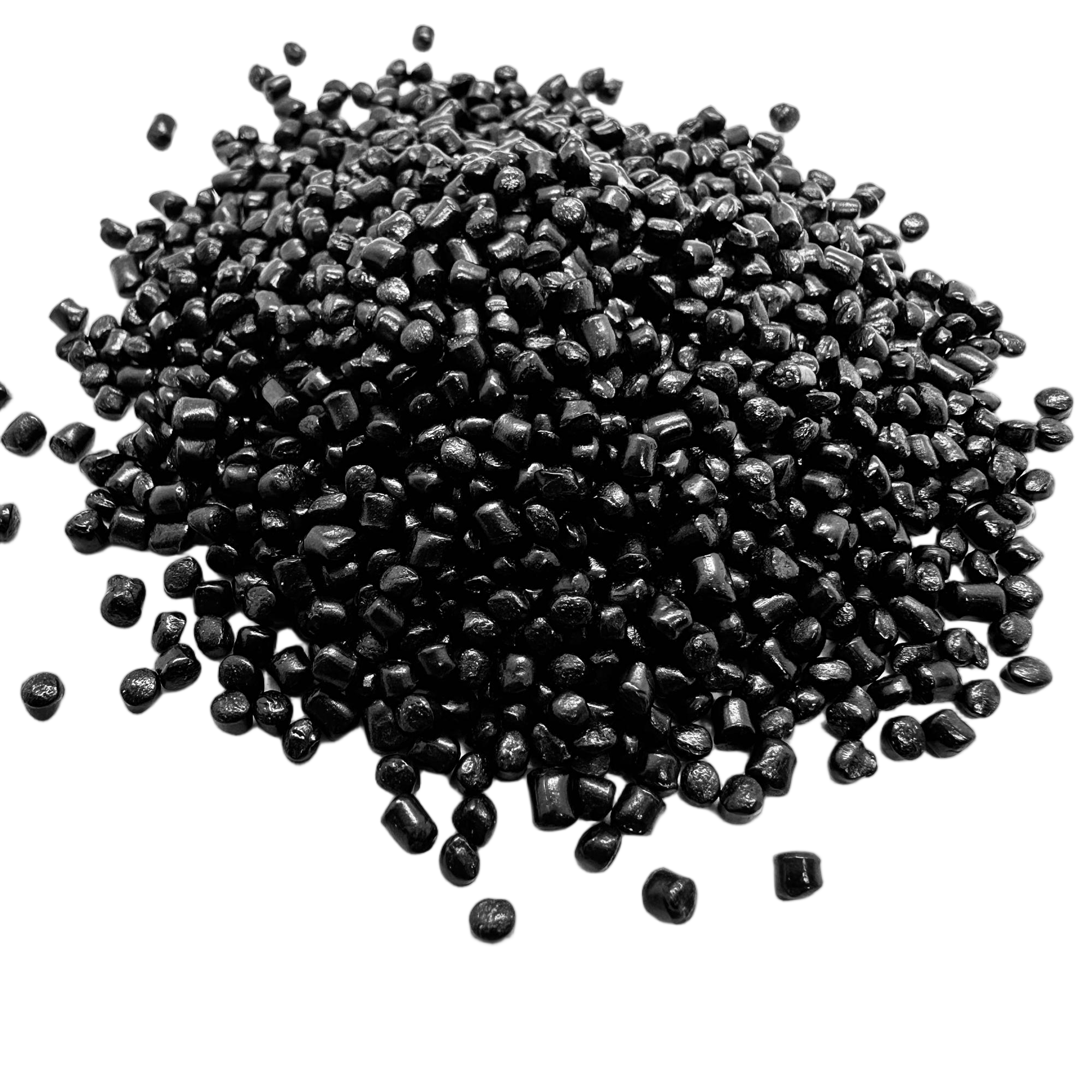
Weather-Resistant Black Filler Masterbatch WM307-WM307
Weather-Resistant Black Filler Masterbatch WM307
Introduction WM307 is produced by unique process in which carbon black is pre-dispersed, then compounded with the basic resin through plastication. It is widely used in injection, blow film and compounding applications. Suitable for PP, PE material...
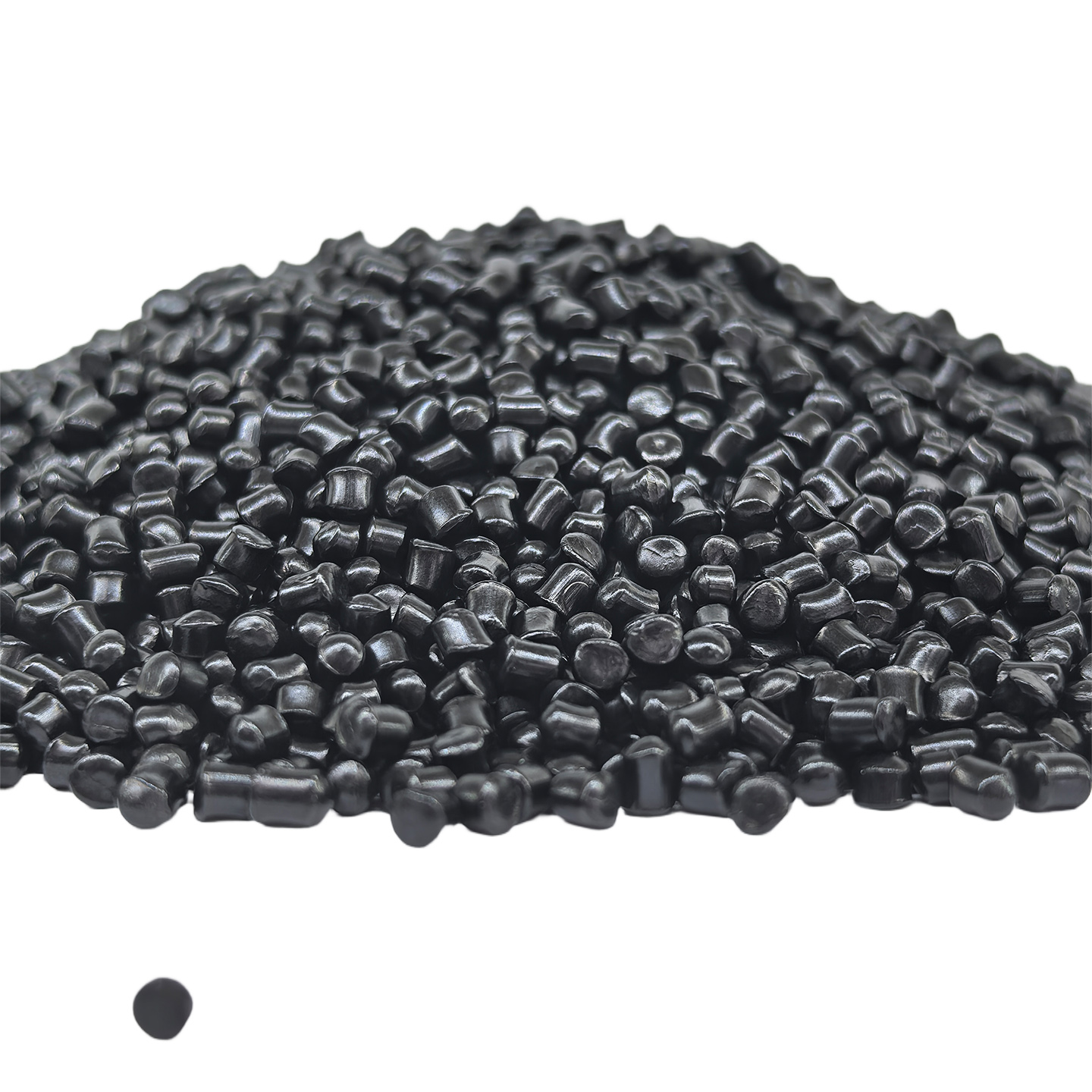
Durable Black Environmentally Friendly Functional Masterbatch WM30-WM30
Durable Black Environmentally Friendly Functional Masterbatch WM30
Introduction WM30 is produced by unique process in which carbon black is pre-dispersed, then compounded with the basic resin through plastication. It is widely used in injection, modified compounding, pipe & sheet applications. Suitable for PP ,PE a...
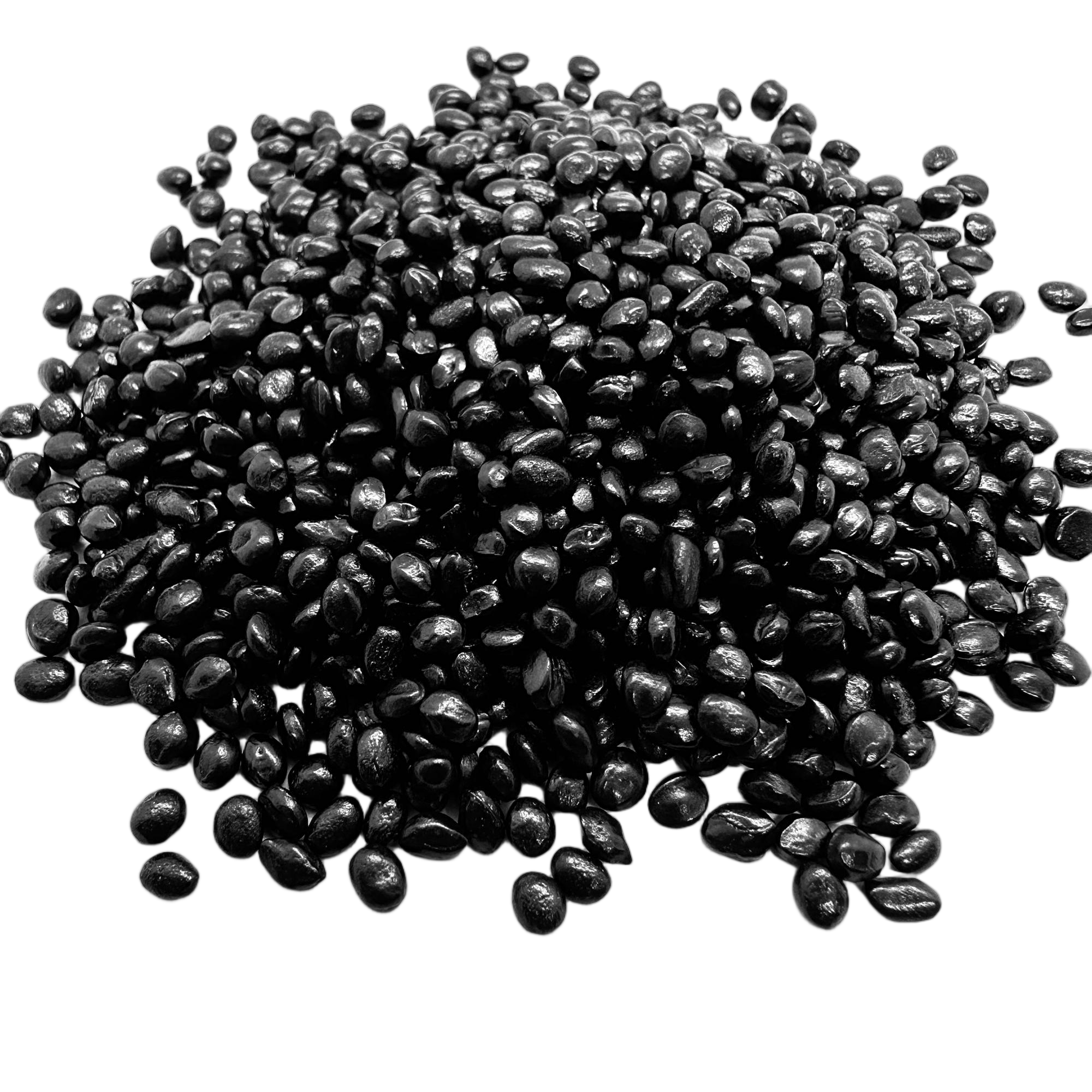
Environmentally Friendly Black Masterbatch WM101-WM101
Environmentally Friendly Black Masterbatch WM101
Introduction WM101 is produced by polymer additive with pre-dispersed carbon black , then compounded with the basic resin through plastication. It is widely used in injection, pipe, blow film applications. It features low dosage, high blackness, goo...
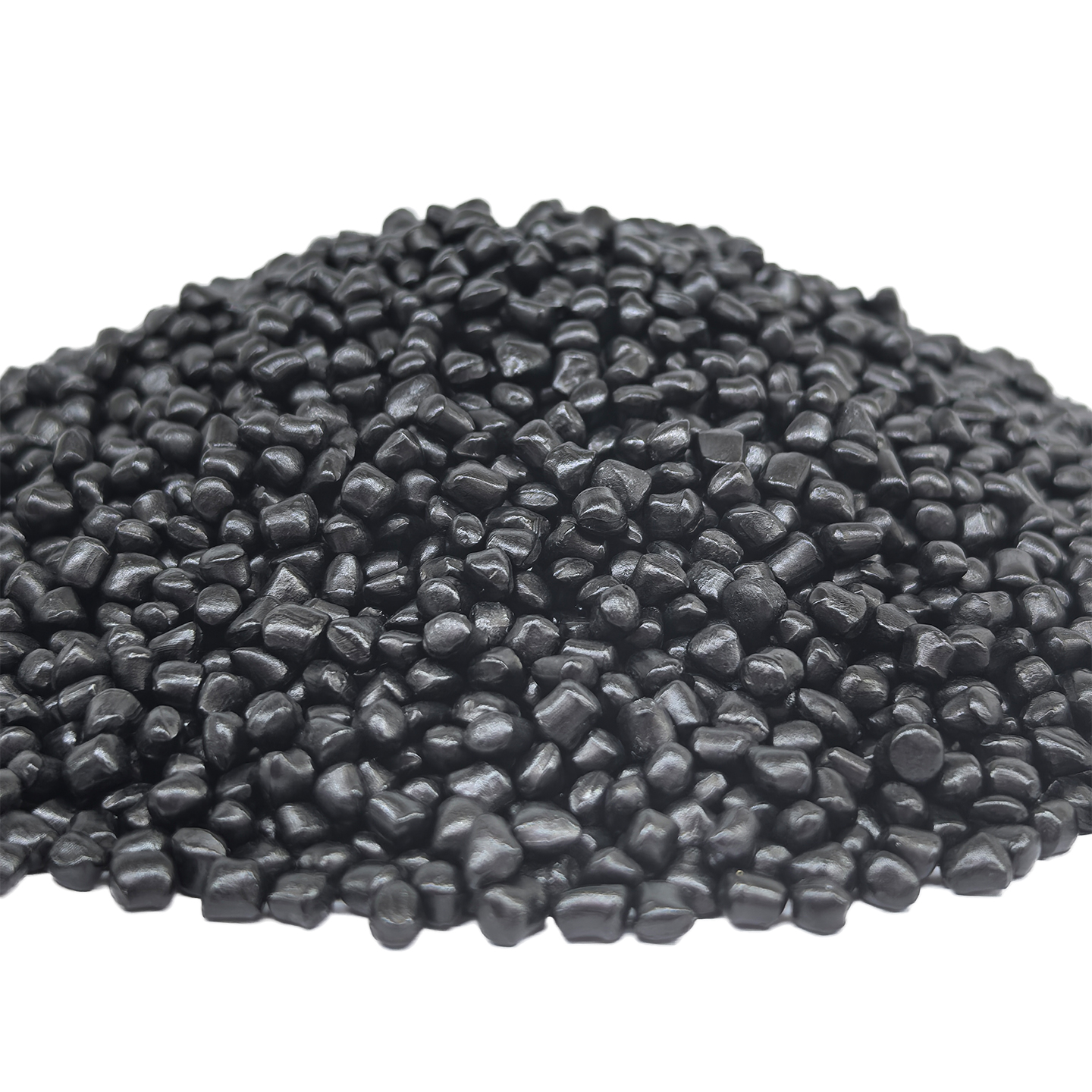
High Concentration Environmentally Friendly Filled Black Masterbatch WM8E-WM8E
High Concentration Environmentally Friendly Filled Black Masterbatch WM8E
Introduction WM8E is produced by unique process in which carbon black is pre-dispersed, then compounded with the basic resin through plastication. It is widely used in film blowing , blowing plastic and injection applications. Suitable for PP and PE...
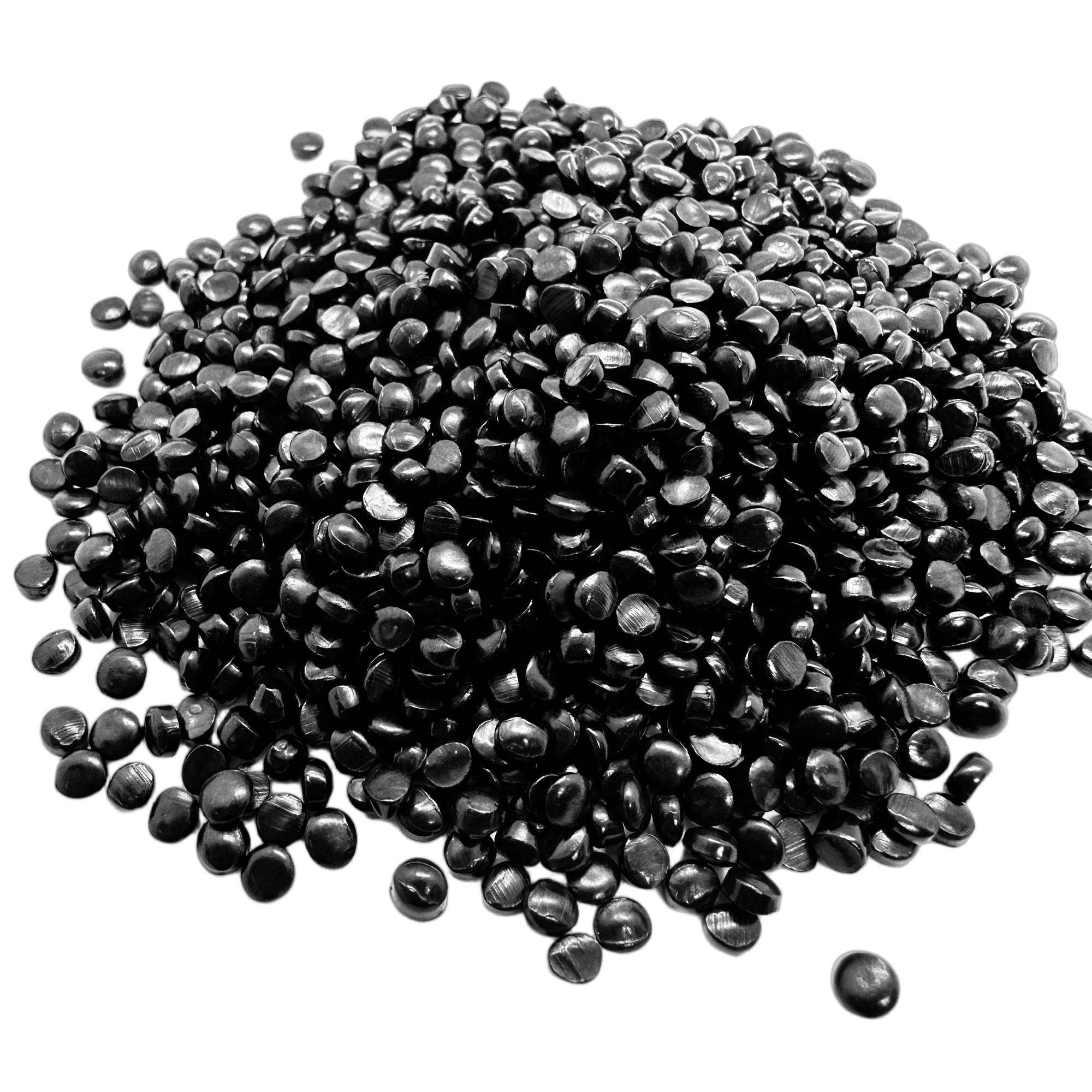
Universal Courier bag Extrusion Black Masterbatch WM2ADM-WM2ADM
Universal Courier bag Extrusion Black Masterbatch WM2ADM
Introduction WM2ADM is produced by unique process in which carbon black is pre-dispersed, then compounded with the basic resin through plastication. It is widely used in film blowing , blowing plastic and fiber applications. Suitable for PP and PE m...
Stable Dispersion & Excellent Hiding Concentrated Mulch Black Masterbatch WMULCH-1-WMULCH-1
Stable Dispersion & Excellent Hiding Concentrated Mulch Black Masterbatch WMULCH-1
Introduction Mulch film is judged in the field, not in the warehouse. By the time a roll reaches the bed former, three things have already decided how the film will behave for the rest of the season: how much carbon black is genuinely in the film, ...
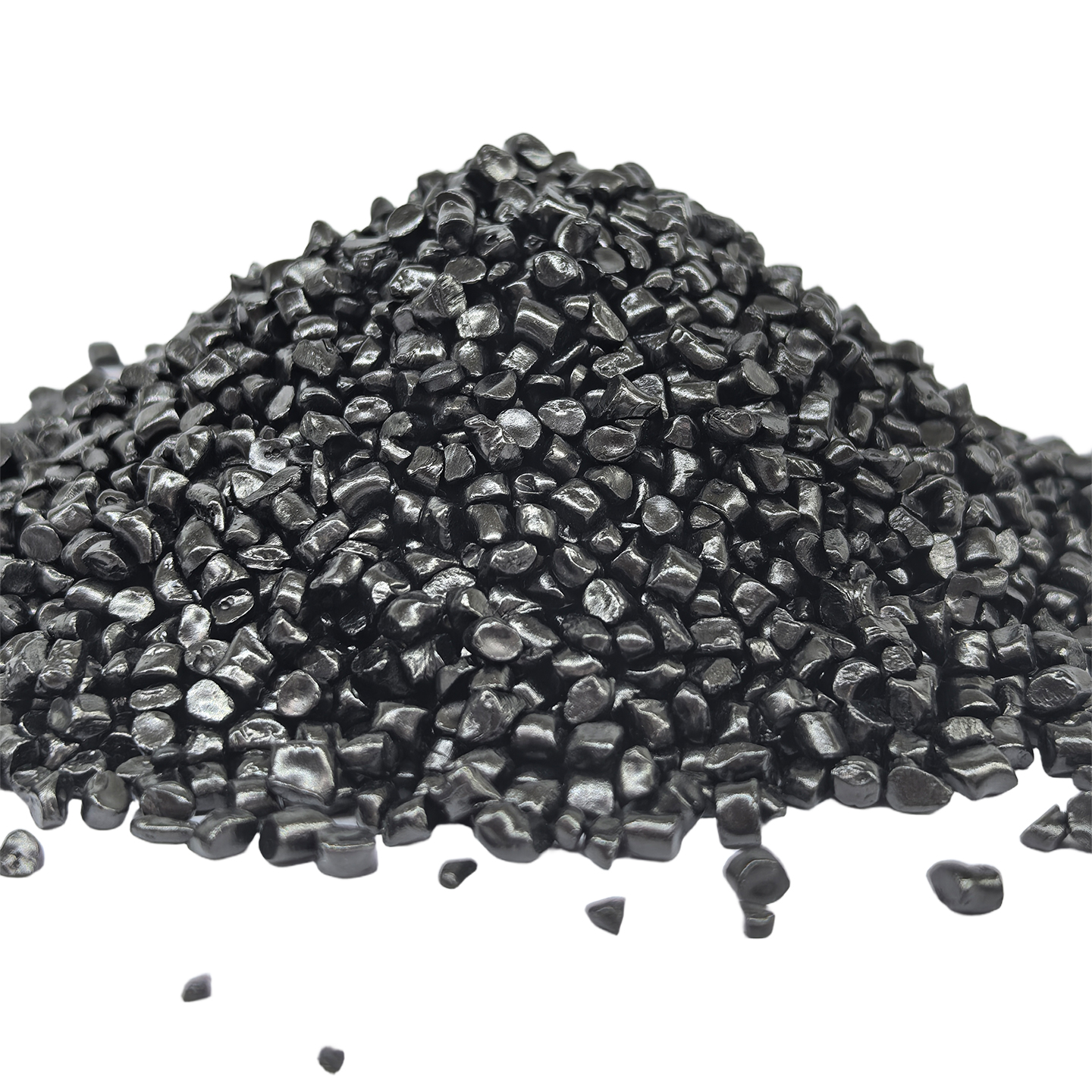
High Concentration Carrier-Free Black Masterbatch WMB34-WMB34
High Concentration Carrier-Free Black Masterbatch WMB34
Introduction WMB34 is produced by unique process in which carbon black is pre-dispersed, then compounded with the basic resin through plastication. It is widely used in injection and modified compounding applications. Suitable for PP PE ABS PA+GF...
Strong And High Pigment Black Masterbatch WM913-WM913
Strong And High Pigment Black Masterbatch WM913
Introduction WM913 is produced by pre-dispersed carbon black with polymer additive, then compounded through plastication. It is widely used in modified compounding applications. Suitable for PP PE ABS PPR ABS HIPS materials. It features low dosage...
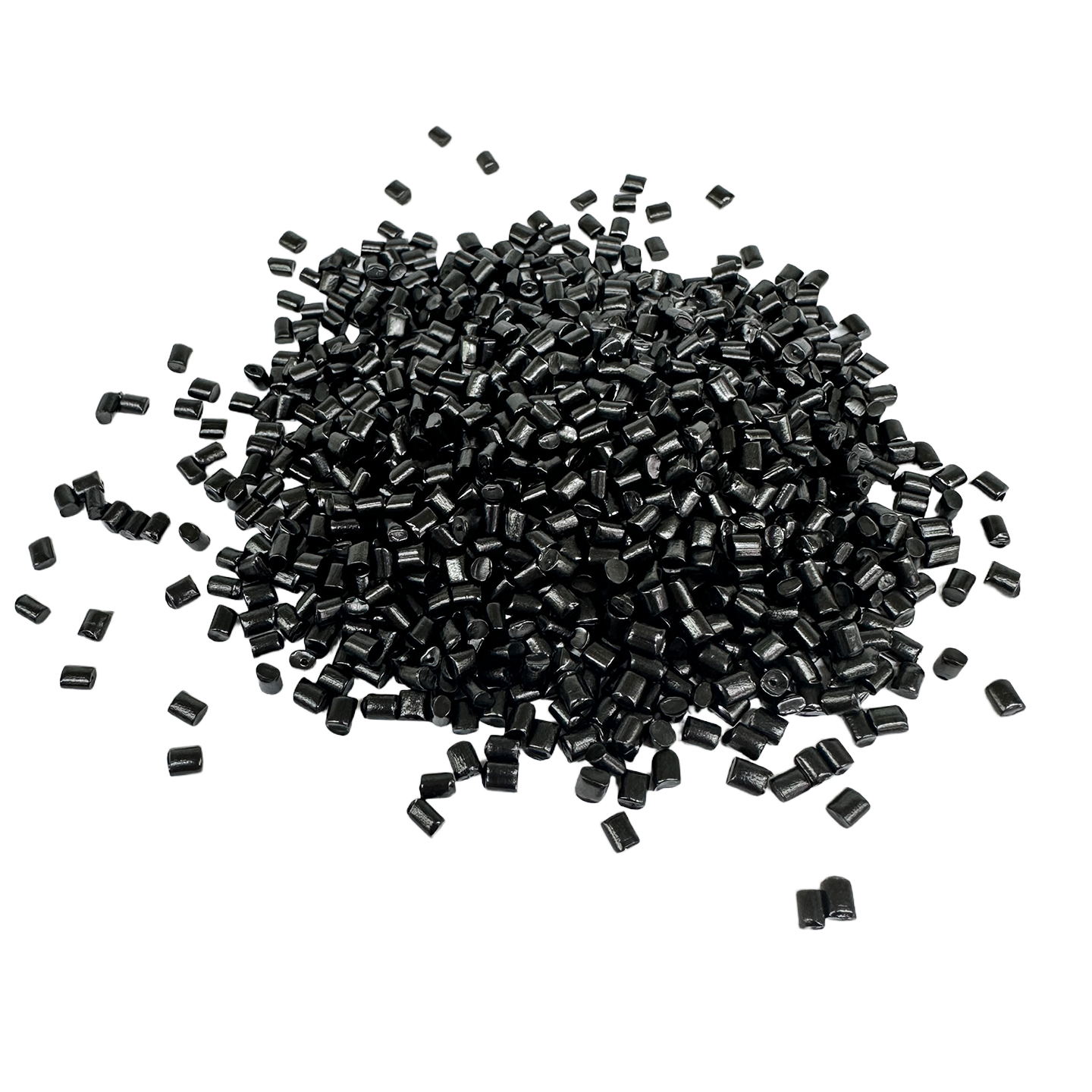
BPA Free & Low Volatile Environmentally Friendly Interior Black Masterbatch WMEG11-WMEG11
BPA Free & Low Volatile Environmentally Friendly Interior Black Masterbatch WMEG11
Introduction WMEG11 is produced by unique process in which carbon black is pre-dispersed, then compounded with the basic resin through plastication. It is widely used in modified compounding and injection applications. Suitable for PP and PE materi...
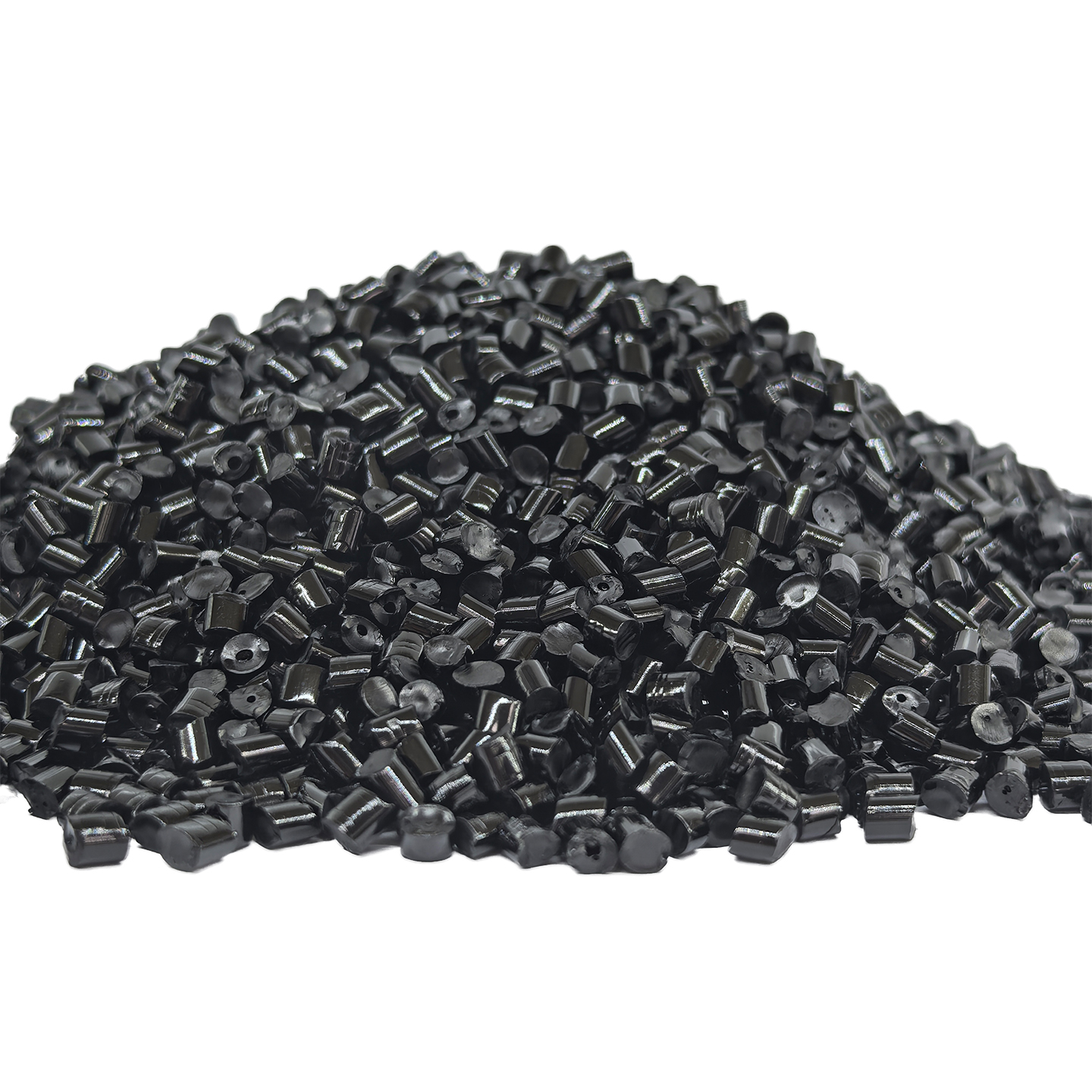
BPA Free & LFGB Approved food grade Black Masterbatch WMB56-WMB56
BPA Free & LFGB Approved food grade Black Masterbatch WMB56
Introduction WMB56, a low-odour black masterbatch for ABS, AS and PC appliance housings WMB56 is produced by unique process in which carbon black is pre-dispersed, then compounded with the basic resin through plastication. It is widely used in inje...
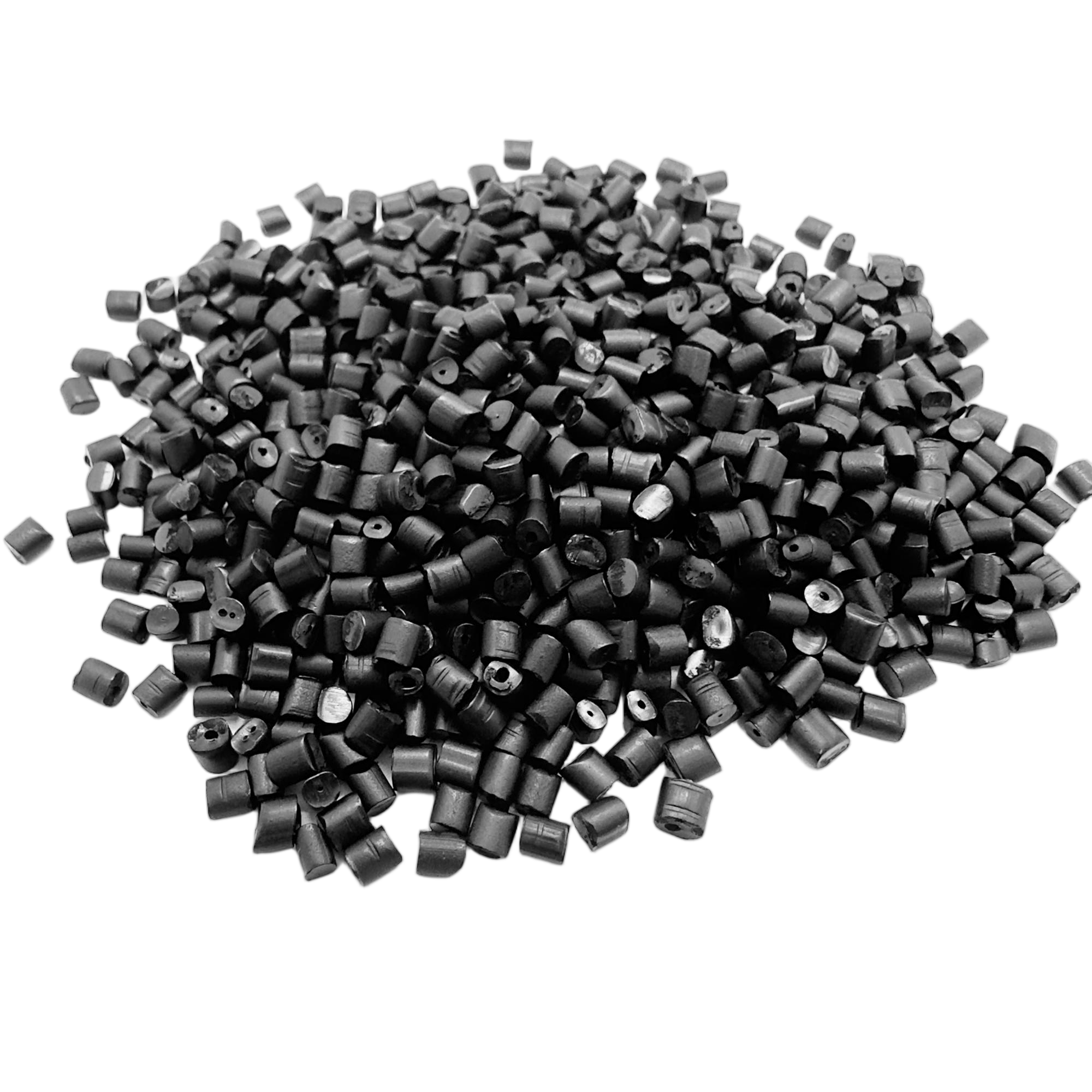
Strong And High Pigment PP Black Masterbatch WM785D-WM785D
Strong And High Pigment PP Black Masterbatch WM785D
Introduction WM785D is produced by unique process in which carbon black is pre-dispersed, then compounded with the basic resin through plastication. It is widely used in modified compounding and injection applications. Suitable for PP and PE materia...
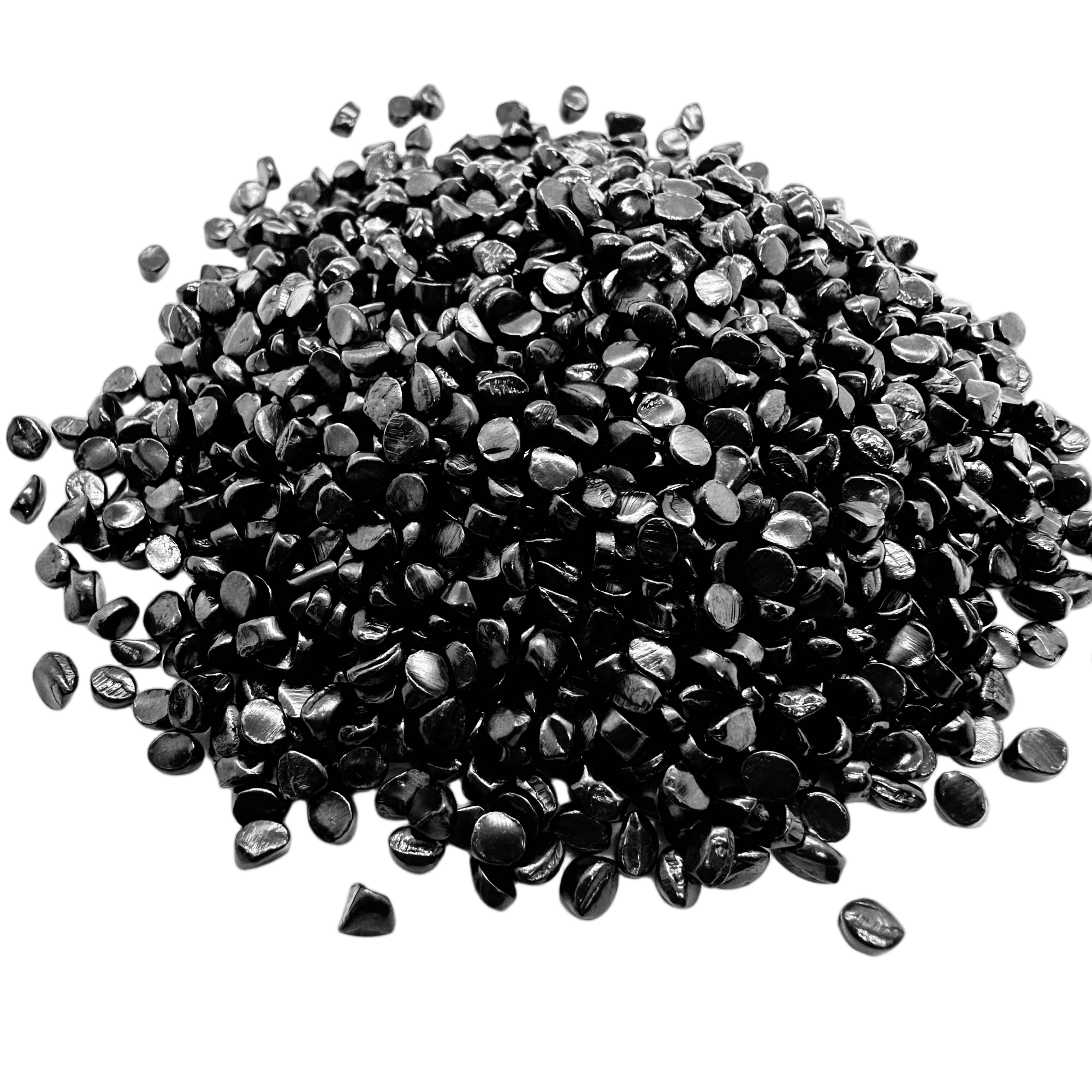
Injection Molding Reinforced Black Masterbatch WM16H (UN2014) -WM16H
Injection Molding Reinforced Black Masterbatch WM16H (UN2014)
Introduction WM16H is produced by pre-dispered carbon black, and then compounded with basic resin. It is widely used in ABS, PC/AS high glossy injection and modifiled compounding applications. Suitable for PP PE PC/ABS GPPS POM GPPS PA+GF materials....
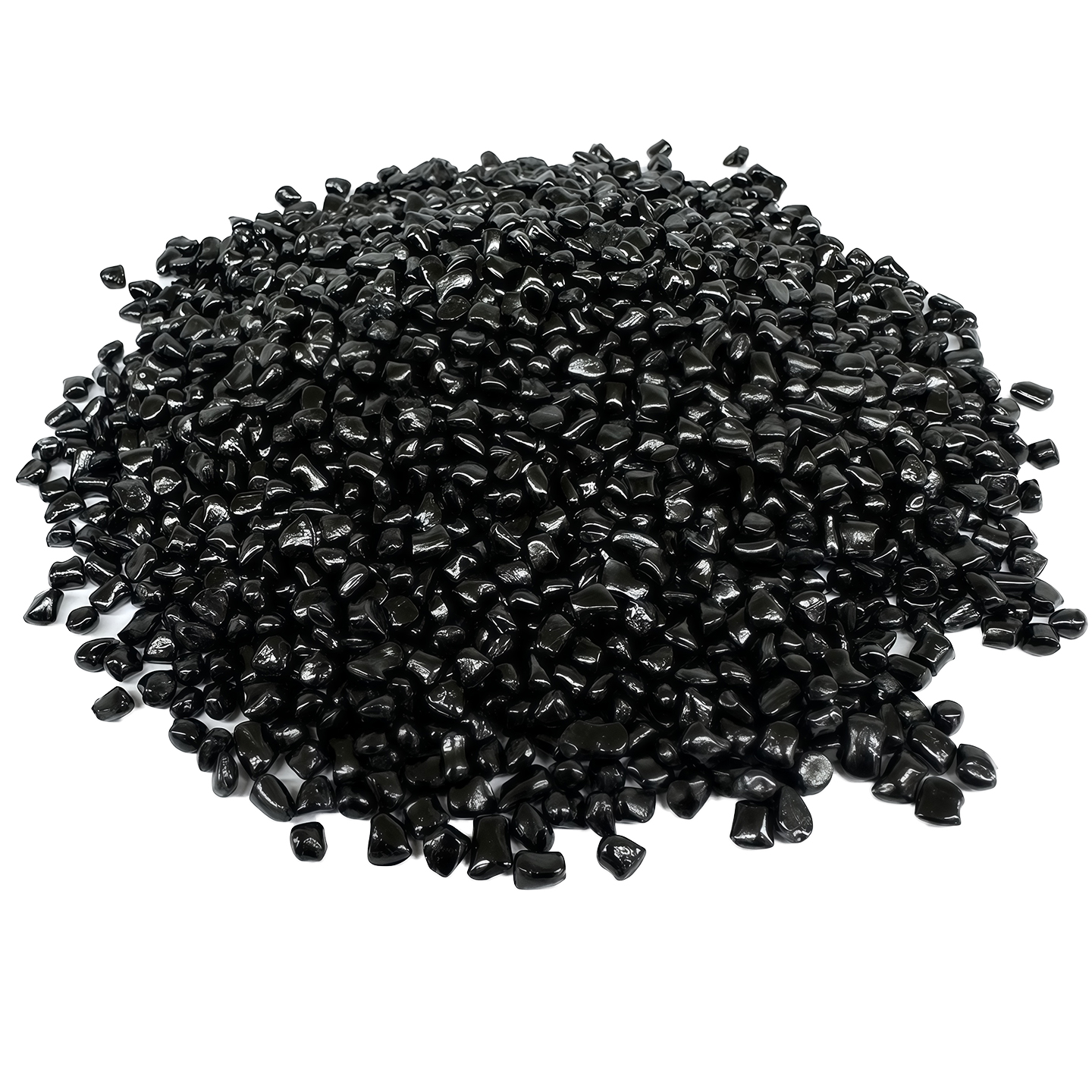
Structure-Enhanced SAN Black Masterbatch WM2A-WM2A
Structure-Enhanced SAN Black Masterbatch WM2A
Introduction WM2A is produced by high-pigment carbon black with AS as carrier and special dispersion agent. Its carbon black is stable and blue-shape grade. Suitable for ABS PC high glossy injection materials, also PPO PPS PA PET etc. thermoplasti...
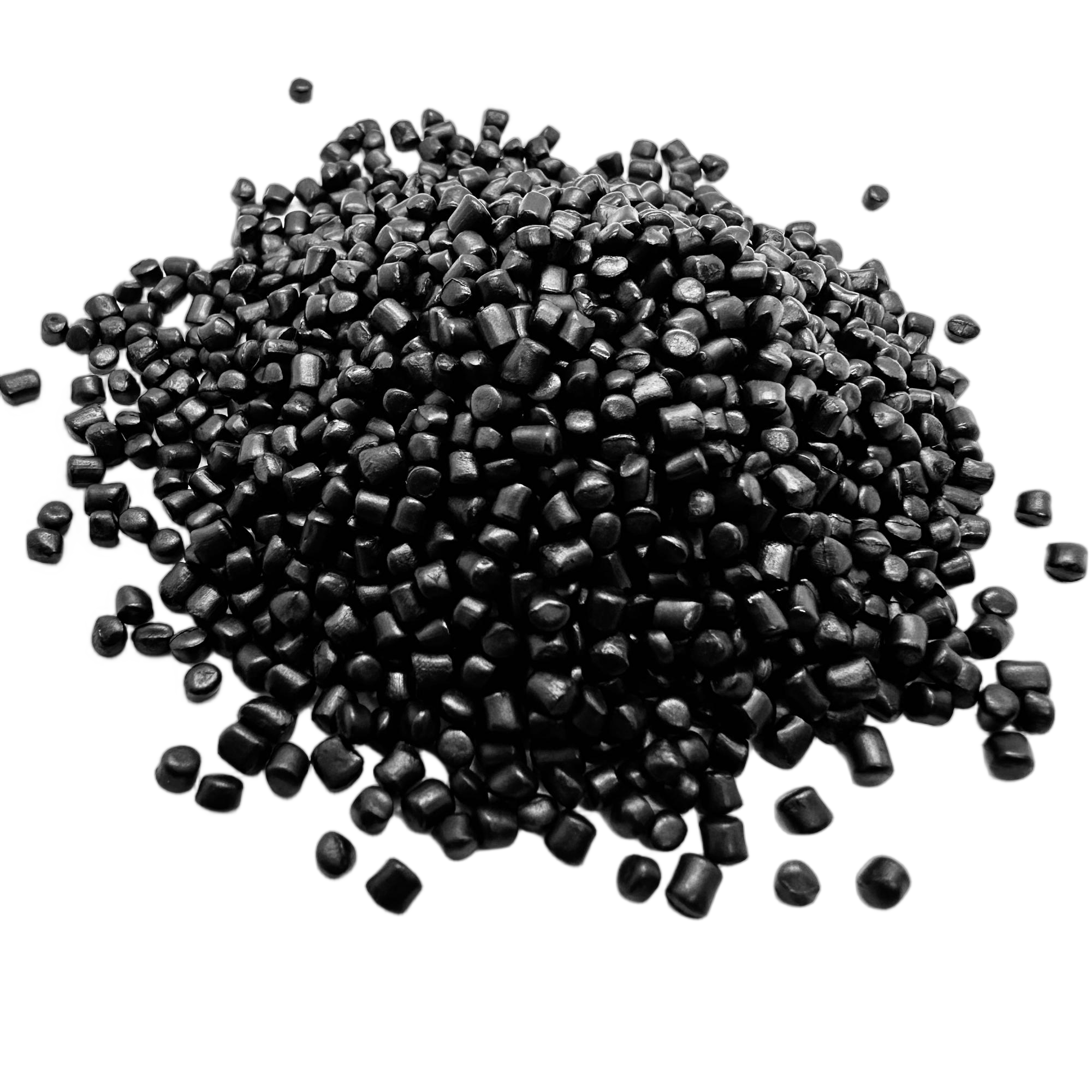
Structure-Enhanced PS Black Masterbatch WM626-WM626
Structure-Enhanced PS Black Masterbatch WM626
Introduction WM626 is produced by unique process in which carbon black is pre-dispersed, then compounded with the basic resin through plastication. It is widely used in extrusion and injection applications. Suitable for HIPS materials. It features lo...
Structure-Enhanced PC Black Masterbatch WM6245-WM6245
Structure-Enhanced PC Black Masterbatch WM6245
Introduction WM6245 is produced by unique process in which carbon black is pre-dispersed, then compounded with the basic resin through plastication. It is widely used in extrusion and high glossy injection applications. Suitable for PC ABS/PC materia...
Universal Environmentally Resistant Black Masterbatch WM72-WM72
Universal Environmentally Resistant Black Masterbatch WM72
Introduction WM72 is produced by unique process in which carbon black is pre-dispersed, then compounded with the basic resin through plastication. It is widely used in film blowing and injection applications. Suitable for PP and PE materials. It fea...
Environmentally Friendly FDA approved & food grade Black Masterbatch WM70E2-WM70E2
Environmentally Friendly FDA approved & food grade Black Masterbatch WM70E2
Introduction WM70E2 is produced by unique process in which carbon black is pre-dispersed, then compounded with the basic resin through plastication. It is widely used in injection (both general and thin wall injection), blow molding and extrusion sh...
Low Volatile & High Concentration Environmentally Friendly Filled Black Masterbatch WM261YF-WM261YF
Low Volatile & High Concentration Environmentally Friendly Filled Black Masterbatch WM261YF
Introduction WM261YF is produced by unique process in which carbon black is pre-dispersed, then compounded with the basic resin through plastication. It is widely used in injection and modified compounding applications. Suitable for PP PE materials....
Environmentally Resistant Black Masterbatch WM3F-WM3F
Environmentally Resistant Black Masterbatch WM3F
Introduction WM3F is produced by unique process in which carbon black is pre-dispersed, then compounded with the basic resin through plastication. It is widely used in water supply pipe,drip irrigation pipe,corrugated pipe and film blowing applicati...
General Low Carbon Black Masterbatch WME1-WME1
General Low Carbon Black Masterbatch WME1
Introduction WME1 is produced by unique process in which carbon black is pre-dispersed, then compounded with the polymer additive through plastication. It is widely used in injection, extrusion pipe and blow film applications. It features low dosage...
Weather-Resistant Black Filler Masterbatch WM307-WM307
Weather-Resistant Black Filler Masterbatch WM307
Introduction WM307 is produced by unique process in which carbon black is pre-dispersed, then compounded with the basic resin through plastication. It is widely used in injection, blow film and compounding applications. Suitable for PP, PE material...
Durable Black Environmentally Friendly Functional Masterbatch WM30-WM30
Durable Black Environmentally Friendly Functional Masterbatch WM30
Introduction WM30 is produced by unique process in which carbon black is pre-dispersed, then compounded with the basic resin through plastication. It is widely used in injection, modified compounding, pipe & sheet applications. Suitable for PP ,PE a...
Get Your Free Sample Now
Submit this form and our sales representative will contact you soon.

Contact Us
Tel: +86 757 8118 6668/+86 139 2320 6383
Sales Hotline: +86 139 2320 6383
Address: No. 55, Yong'an Avenue, Guanyao, Shishan Town, Nanhai District, Foshan City, Guangdong Province, China.
Inquire
Copyright © 2026 Guangdong Jolink Technology Co., Ltd.